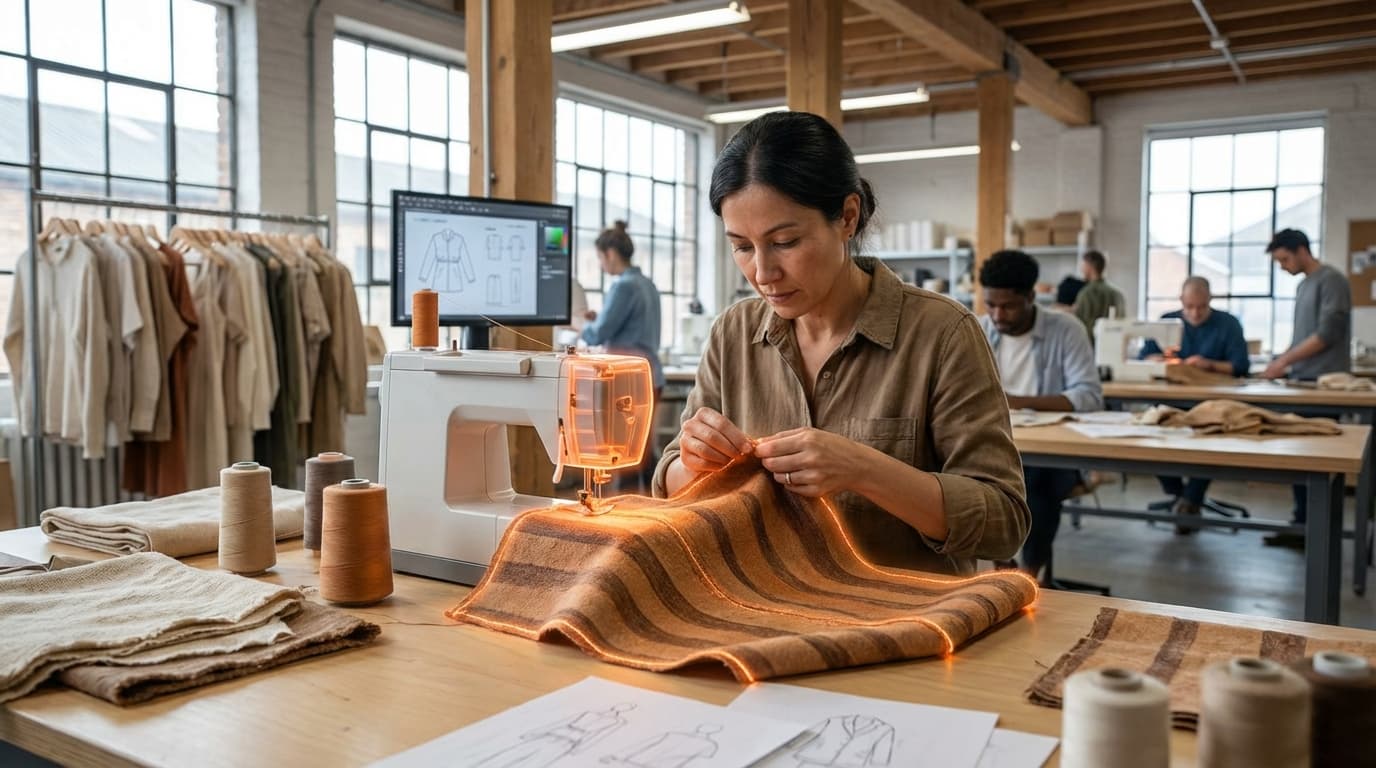
Mycelium Leather Alternatives
Mycelium leather is a biodegradable, customizable alternative to animal leather, grown from fungal networks in weeks rather than years. The technology utilizes mycelium—the root structure of mushrooms—which can be cultivated in controlled environments to form dense, leather-like sheets with tunable properties including thickness, texture, and flexibility.
This innovation addresses the fashion industry's urgent need for sustainable leather alternatives that don't sacrifice performance or aesthetics. Mycelium leather offers similar durability and hand-feel to traditional leather while dramatically reducing water usage, carbon emissions, and land requirements compared to animal husbandry and conventional tanning processes. Leading companies like Bolt Threads (Mylo), Ecovative, and MycoWorks are scaling production and partnering with major brands including Stella McCartney, Adidas, and Hermès.
The technology is gaining rapid adoption across luxury and mainstream fashion as brands seek to meet sustainability commitments and respond to consumer demand for ethical materials. With production timelines measured in weeks rather than years, mycelium leather represents one of the most promising pathways to decoupling fashion from animal agriculture while maintaining the premium qualities associated with leather goods.
Related Organizations

The pioneer of mycelium technology, developing the 'MycoComposite' platform used to grow sustainable building materials and packaging.
A biotechnology company that produces Fine Mycelium, a leather alternative.

Material solutions company that developed Mylo, a mycelium-based leather alternative.

Italian bio-fabrication company creating mycelium-based materials under the brand Mogu and ephea.
Indonesian biotechnology company producing Mylea, a leather alternative grown from mushroom mycelium on agricultural waste.

Conducts extensive research on living materials, including fungal mycelium for sensing and responsive surfaces.
Hermès
France · Company
Luxury fashion house known for high-end leather goods.

Adidas
Germany · Company
Multinational sportswear manufacturer.

Global luxury group managing brands like Gucci, Saint Laurent, and Balenciaga.
Supporting Evidence
Research this in Signals
Signals turns a topic into a sourced research record you can inspect and rerun. Your first scan is free, and this one starts with Mycelium Leather Alternatives already loaded, so edit it or scan as is.