Indian Natural Dye Bioprocessing
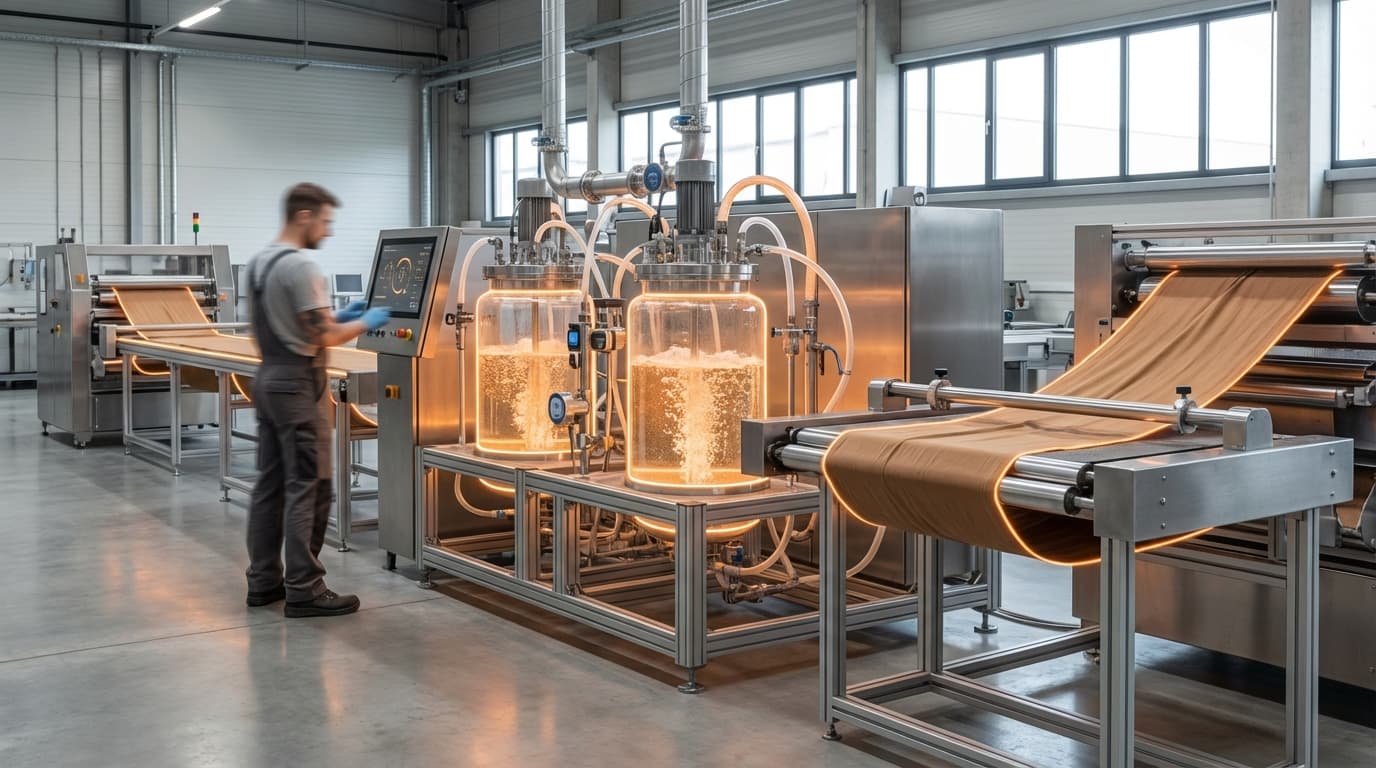
Indian natural dye bioprocessing uses enzymatic extraction methods to scale traditional natural dye production, utilizing bioreactors and precision control systems to extract pigments from plants like indigo, madder root, and turmeric. The enzymatic approach replaces harsh chemical extraction methods, maintaining the vibrant, colorfast properties of natural dyes while dramatically reducing water usage, chemical waste, and processing time compared to traditional methods.
This innovation addresses the challenge of scaling traditional natural dye techniques to meet modern production demands while preserving cultural heritage and reducing environmental impact. Natural dyes have been used in India for millennia, but traditional methods are labor-intensive and difficult to scale. Bioprocessing enables industrial-scale production of natural dyes that maintain their cultural authenticity and superior color properties. Indian research institutions and textile companies are leading development, creating systems that allow traditional dyehouses to integrate into modern supply chains.
The technology is particularly significant for preserving cultural dyeing traditions while making them viable for contemporary fashion production. As brands seek sustainable alternatives to synthetic dyes and consumers value authentic, heritage techniques, bioprocessed natural dyes offer a pathway to scale traditional knowledge while reducing environmental impact. This represents a model for how traditional craft knowledge can be preserved and enhanced through modern biotechnology.
Related Organizations

Specializes in the extraction of natural dyes from renewable plant sources using eco-friendly processes in India.

Leading Indian manufacturer and exporter of natural textile dyes and herbal products.

Indian government institute conducting R&D on cotton processing, including natural dyeing technologies.

Textile conglomerate investing heavily in sustainable denim production, including natural indigo application.
Premier engineering institute with a dedicated Department of Textile and Fibre Engineering.

Uses synthetic biology to engineer microorganisms that produce natural pigments, replacing petrochemical dyes.

Retail platform linking rural artisans to urban markets, heavily promoting natural dye traditions.

Produces high-purity natural indigo from plants using agricultural partnerships and proprietary extraction processes.

Global color and specialty chemicals company known for 'EarthColors', dyes synthesized from agricultural waste.

Biotechnology company creating biosynthetic indigo to replace petrochemical dyes in denim.
Supporting Evidence
Research this in Signals
Signals turns a topic into a sourced research record you can inspect and rerun. Your first scan is free, and this one starts with Indian Natural Dye Bioprocessing already loaded, so edit it or scan as is.