Neonatal Tele-Rehabilitation
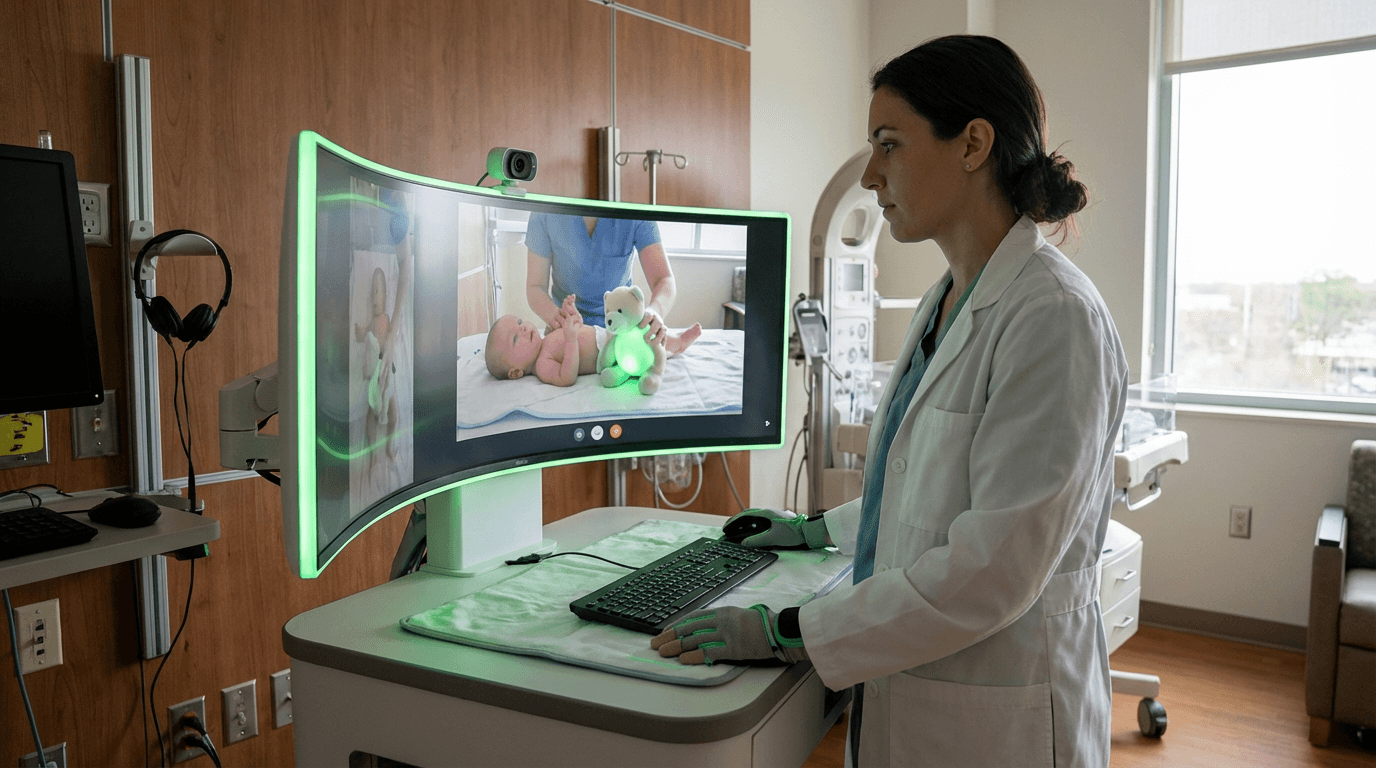
Neonatal tele-rehabilitation represents a paradigm shift in how healthcare systems support infants who have experienced complications during birth or required intensive care. Traditional follow-up care for high-risk infants typically demands frequent in-person visits to specialized clinics, creating substantial burdens for families who may live far from medical centers or face transportation challenges. This technology addresses these barriers by bringing developmental therapy into the home environment, where infants spend most of their time during critical early months. The system integrates sensor-equipped toys and play objects that capture data on infant movement patterns, reach attempts, visual tracking, and other developmental milestones. These connected devices transmit information to therapists who can monitor progress remotely, while video conferencing capabilities enable real-time coaching sessions where specialists guide caregivers through therapeutic exercises and developmental activities tailored to each infant's specific needs and risk factors.
The solution tackles a significant gap in perinatal care continuity. Research suggests that many developmental delays in high-risk infants can be mitigated through early intervention, yet access to specialized pediatric therapists remains limited, particularly in rural areas and underserved communities. By enabling remote delivery of physical therapy, occupational therapy, and developmental assessments, this approach extends the reach of neonatal specialists beyond traditional geographic constraints. The technology also empowers parents and caregivers as active participants in their infant's recovery, providing them with structured guidance and immediate feedback that builds confidence in their caregiving abilities. This model addresses the challenge of maintaining consistent therapeutic engagement during the vulnerable transition period after NICU discharge, when infants remain medically fragile but no longer have daily access to hospital-based care teams.
Early implementations of neonatal tele-rehabilitation programs indicate promising outcomes in both developmental progress and family satisfaction. Pilot programs at academic medical centers have demonstrated that remote monitoring can identify concerning developmental patterns earlier than traditional periodic clinic visits, allowing for timely intervention adjustments. The approach appears particularly valuable for infants with conditions such as hypoxic-ischemic encephalopathy, prematurity-related complications, or congenital disorders that require ongoing developmental support. As healthcare systems increasingly recognize the importance of family-centered care and seek to reduce readmission rates for vulnerable infants, tele-rehabilitation aligns with broader trends toward home-based medical monitoring and virtual care delivery. The technology also generates longitudinal developmental data that can inform clinical research and help refine therapeutic protocols, potentially improving outcomes for future generations of high-risk infants while making specialized care more accessible and sustainable.
Research this in Signals
Signals turns a topic into a sourced research record you can inspect and rerun. Your first scan is free, and this one starts with Neonatal Tele-Rehabilitation already loaded, so edit it or scan as is.