Tele-NICU Platforms
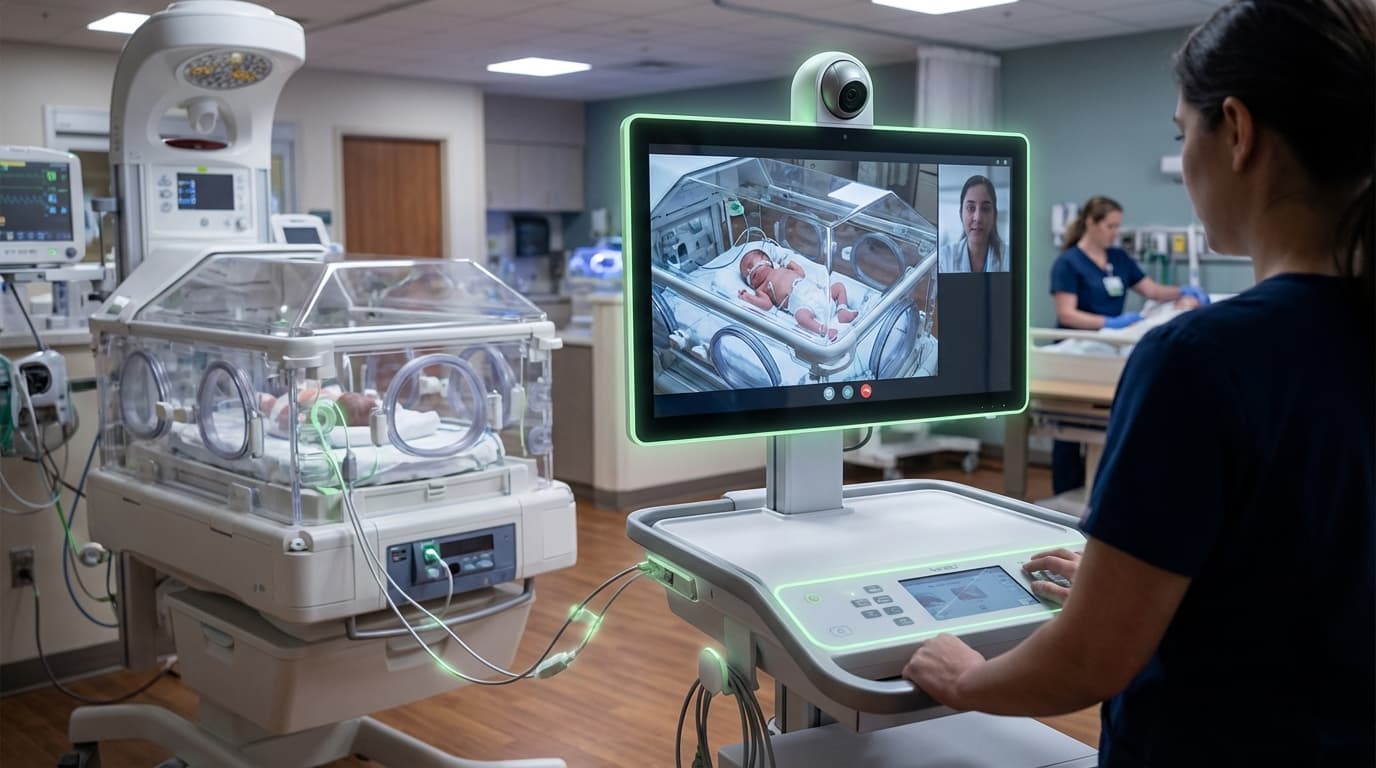
Tele-NICU platforms represent a critical advancement in neonatal care delivery, leveraging telemedicine infrastructure to bridge the gap between community hospitals and specialized neonatal intensive care units. These systems enable real-time audiovisual communication, vital sign monitoring, and medical record sharing between healthcare providers at different facilities. At their core, these platforms integrate high-definition video conferencing equipment, secure data transmission protocols, and electronic health record interfaces to create a virtual presence for neonatal specialists in nurseries that lack on-site expertise. The technology typically includes bedside cameras with pan-tilt-zoom capabilities, digital stethoscopes for remote auscultation, and specialized software that allows neonatologists to review laboratory results, imaging studies, and continuous monitoring data from remote locations. This creates what is effectively a virtual extension of tertiary care capabilities into community settings.
The fundamental challenge these platforms address is the geographic mismatch between where babies are born and where specialized neonatal expertise exists. In many regions, particularly rural and underserved areas, hospitals with maternity services operate level I or II nurseries capable of handling routine newborn care but lack the neonatologists and resources required for critically ill infants. Traditionally, this has meant that sick newborns must be transported to distant tertiary centers, a process that carries risks, separates families, and strains both the originating and receiving facilities. Tele-NICU platforms enable community hospitals to stabilize and sometimes fully manage complex cases with expert guidance, reducing unnecessary transfers while ensuring that infants who do require transport receive optimal pre-transfer care. This capability is particularly valuable during the critical "golden hour" after birth when early intervention can significantly impact outcomes for premature or compromised newborns. The technology also supports ongoing education for community hospital staff, gradually building local capacity and confidence in managing neonatal complications.
Research suggests that tele-NICU implementations have demonstrated measurable improvements in clinical outcomes and resource utilization across diverse healthcare systems. Early deployments indicate reductions in inter-facility transfer rates, shorter lengths of stay for transported infants, and improved adherence to evidence-based neonatal care protocols at community hospitals. Some health systems have reported that remote consultation programs allow them to keep certain moderately premature infants closer to home rather than automatically transferring them to distant NICUs, which benefits both family bonding and hospital economics. The technology has proven especially valuable during public health emergencies when minimizing patient movement becomes a priority. As healthcare systems increasingly adopt hub-and-spoke models of specialty care delivery, tele-NICU platforms are becoming integral components of regional perinatal networks, enabling more equitable access to expertise regardless of geographic location. The continued evolution of these systems, incorporating artificial intelligence for early warning detection and expanded remote monitoring capabilities, positions them as essential infrastructure for the future of neonatal care delivery in an era of growing healthcare workforce shortages and rising expectations for specialized care access.
Related Organizations

Provides camera systems and engagement software specifically for NICUs to connect families and remote care teams.

Developed the 'Biobag' system (EXTEND), demonstrating successful support of premature lamb fetuses in an artificial womb environment.

A large not-for-profit healthcare system in the western US.


Develops ultrasound systems (Voluson) with AI features that assist in assessing fetal development and cervical length, key indicators for preterm risk.
A pediatric health system operating in Delaware, New Jersey, Pennsylvania, and Florida.

Global health technology company with a strong portfolio in patient monitoring and telehealth.

Provides remote monitoring and care coordination platforms specifically for pediatric populations.

A multinational telemedicine and virtual healthcare company.

A telemedicine platform provider known for low-bandwidth capabilities.
Supporting Evidence
Research this in Signals
Signals turns a topic into a sourced research record you can inspect and rerun. Your first scan is free, and this one starts with Tele-NICU Platforms already loaded, so edit it or scan as is.