Underwater Detection Systems
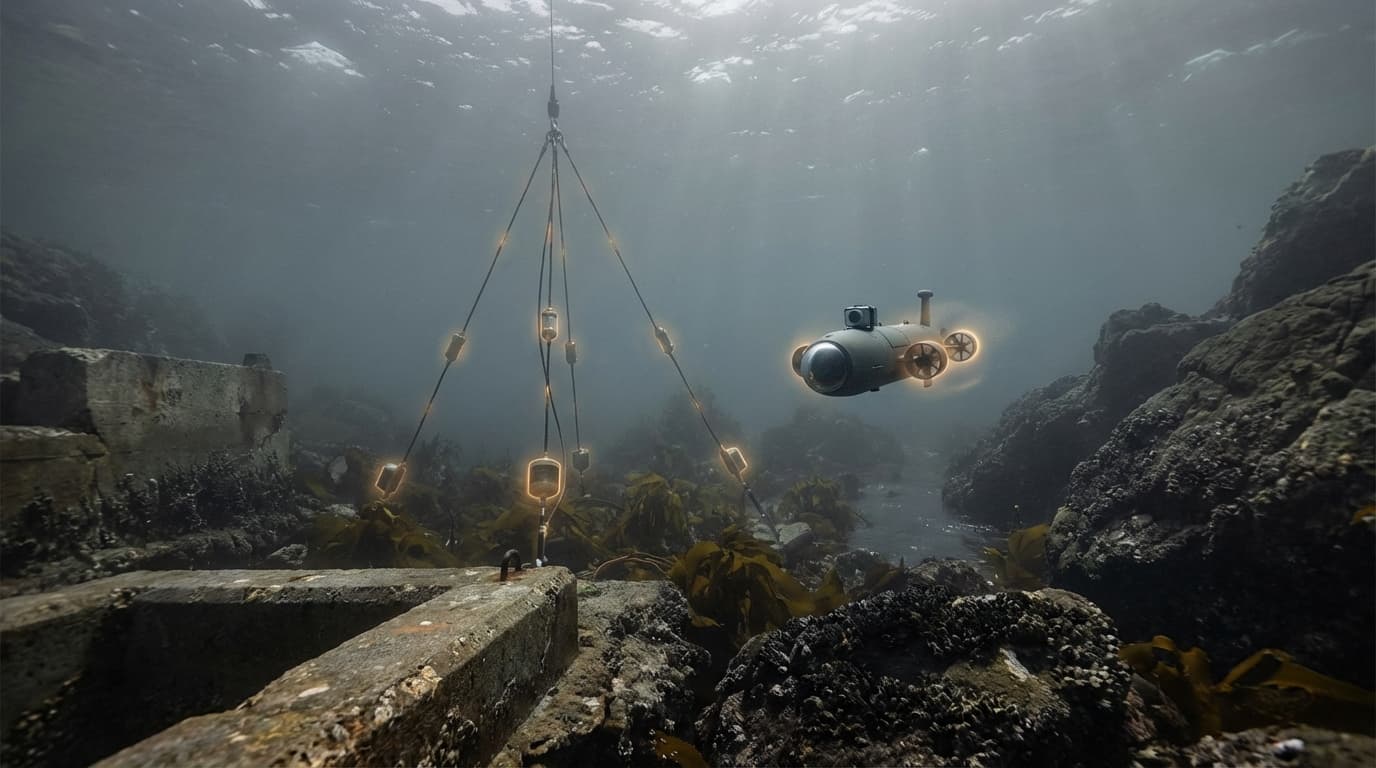
Underwater detection systems represent a critical evolution in maritime defense, combining advanced sensor technologies with autonomous platforms to monitor and protect coastal waters and strategic maritime infrastructure. These systems integrate multiple detection modalities—including active and passive sonar arrays, magnetic anomaly detectors (MAD), and electro-optical sensors—to create comprehensive underwater surveillance networks. Modern deployable sonar arrays can be rapidly positioned on the seabed or suspended in the water column, using networked hydrophones to detect acoustic signatures from submarines, unmanned underwater vehicles, and surface vessels. Autonomous underwater vehicles (AUVs) equipped with side-scan sonar and synthetic aperture sonar patrol designated zones, mapping the seafloor while simultaneously searching for anomalous objects or movements. The technical foundation relies on signal processing algorithms that filter ambient ocean noise, distinguish biological sources from mechanical signatures, and classify potential threats based on acoustic, magnetic, and movement patterns.
Littoral navies face unique challenges in defending shallow coastal waters, port approaches, and critical infrastructure such as undersea cables, pipelines, and offshore energy installations. Traditional deep-water anti-submarine warfare systems often prove less effective in complex littoral environments where thermal layers, varying salinity, heavy shipping traffic, and seafloor topography create acoustic clutter and detection blind spots. Underwater detection systems address these limitations by providing persistent, multi-layered surveillance tailored to shallow-water conditions. The modular nature of these systems allows naval forces to scale deployments based on threat levels and operational requirements, while their ability to integrate detections with surface fleet command systems enables coordinated responses. This integration transforms isolated sensor data into actionable intelligence, allowing commanders to vector patrol craft, helicopters, or specialized anti-submarine assets toward confirmed contacts within minutes rather than hours.
Current deployments indicate growing adoption among nations with extensive coastlines and strategic chokepoints to defend. Several maritime nations have established permanent underwater surveillance networks around naval bases and commercial ports, while others maintain rapidly deployable systems for surge operations during heightened threat periods. The technology has proven particularly valuable in detecting small, quiet submarines and swimmer delivery vehicles that might otherwise penetrate harbor defenses undetected. Industry analysts note increasing interest in machine learning algorithms that can improve classification accuracy and reduce false alarms from marine life and commercial shipping. Looking forward, the convergence of underwater detection systems with distributed sensor networks, satellite communications, and artificial intelligence promises to create persistent maritime domain awareness across entire exclusive economic zones, fundamentally reshaping how nations secure their coastal waters and maritime approaches against subsurface threats.
Related Organizations

A subsidiary of ThyssenKrupp Marine Systems, producing the SeaHake torpedo and extensive sonar suites.

Delivers 'Vessel Insight' and digital twin technologies that capture sensor data from ships to monitor fuel consumption and emissions.

Multinational company designing and building electrical systems and providing services for the aerospace, defence, transportation and security markets.

Develops Lattice OS, an AI-powered operating system that fuses sensor data to automate command and control across autonomous systems.

America's largest military shipbuilding company.
Marine technology company providing ultra-high resolution seabed imaging.

Defense company producing the Barracuda advanced camouflage systems.

Develops high-precision acoustic positioning systems, primarily for underwater applications but with industrial crossover.

Specializes in underwater acoustics and autonomous vehicles like the COMET and NEMOSENS for ASW training and monitoring.


Builds autonomous underwater vehicles and a cloud platform for rapid, accessible seafloor data acquisition.
Supporting Evidence
Research this in Signals
Signals turns a topic into a sourced research record you can inspect and rerun. Your first scan is free, and this one starts with Underwater Detection Systems already loaded, so edit it or scan as is.