Predictive Threat Intelligence Platforms
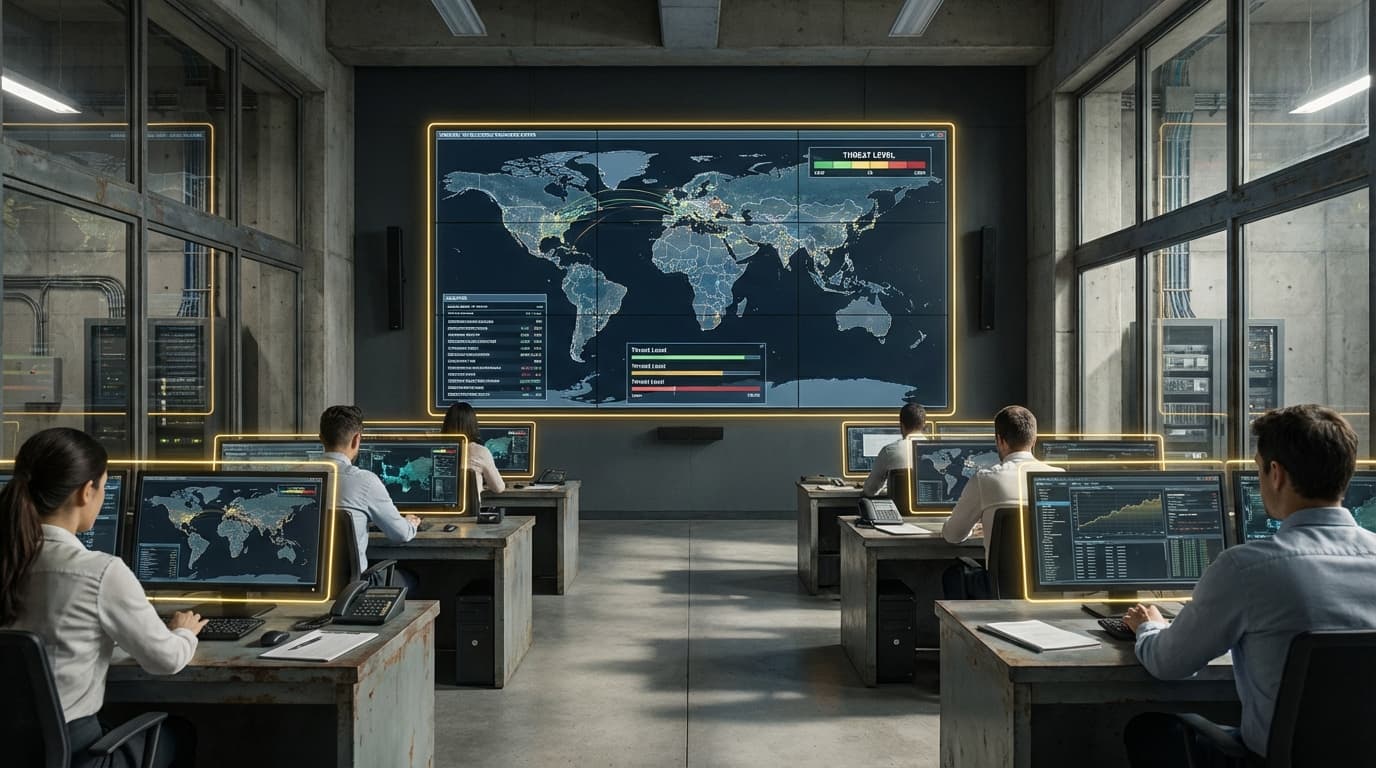
Predictive Threat Intelligence Platforms represent a fundamental shift from reactive to anticipatory cybersecurity and physical security operations. These systems aggregate and analyse vast streams of open-source intelligence (OSINT), human intelligence (HUMINT), social media discourse, darknet communications, and technical indicators to identify patterns that precede hostile actions. At their core, these platforms employ machine learning algorithms trained on historical attack data, geopolitical events, and adversary behaviour to recognise the subtle precursors of threats—whether cyberattacks, terrorist activities, or state-sponsored operations. The technical architecture typically combines natural language processing to parse unstructured text from forums and messaging platforms, graph analytics to map relationships between threat actors, and temporal modelling to detect anomalous patterns in communication frequency or content. By fusing disparate intelligence sources into a unified analytical framework, these platforms generate risk scores for specific actors, organisations, or geographic regions, and produce probabilistic forecasts of attack timing and methodology.
The defence and intelligence sectors face an increasingly complex threat landscape where adversaries operate across multiple domains simultaneously and exploit the speed of digital communication to coordinate rapidly. Traditional intelligence analysis, reliant on manual review and siloed data sources, struggles to keep pace with the volume and velocity of relevant information. Predictive Threat Intelligence Platforms address this challenge by automating the labour-intensive process of monitoring thousands of potential intelligence sources and identifying meaningful signals amid overwhelming noise. They enable security operations centres to shift from purely defensive postures to proactive threat hunting, allocating defensive resources based on forecasted risk rather than reacting after breaches occur. This capability is particularly valuable for protecting critical infrastructure, where advance warning of even hours can enable protective measures such as network segmentation, credential rotation, or physical security enhancements. The platforms also support strategic planning by revealing longer-term trends in adversary capabilities and intentions, informing investment decisions in defensive technologies and training priorities.
Several government agencies and defence contractors have deployed early versions of these systems, with research suggesting measurable improvements in threat detection lead times. Intelligence fusion centres increasingly integrate predictive platforms into their workflows, using them to prioritise analyst attention and coordinate responses across agencies. Commercial applications are emerging in sectors facing persistent threats, including financial services, energy infrastructure, and telecommunications. The technology aligns with broader trends toward artificial intelligence in national security and the growing recognition that effective defence requires understanding adversary decision-making processes. As geopolitical tensions intensify and cyber-physical convergence accelerates, the ability to anticipate threats before they materialise will likely become a cornerstone of resilience strategies, though challenges remain in validating predictions, managing false positives, and ensuring these powerful surveillance capabilities are governed by appropriate oversight frameworks.
Related Organizations

Intelligence cloud platform that analyzes threat actor behavior across the open and dark web.

AI platform that detects high-impact events and emerging risks from public data signals in real-time.

Uses AI to detect narrative manipulation and disinformation risks for enterprises and governments.

Specializes in illicit community intelligence, monitoring dark web forums and chat services for threat actor discussions.

Open-source intelligence (OSINT) solution that uses AI to uncover risks across surface, deep, and dark web.

Builds software that empowers organizations to integrate their data, decisions, and operations (Foundry and AIP).

Automated threat intelligence solution that scrapes the deep and dark web to detect leaks and planned attacks.

Primer.ai
United States · Company
An AI company providing natural language processing and knowledge graph generation for intelligence analysts.

The heritage provider of open-source defense intelligence, now transitioning to interconnected data and predictive analytics.
Supporting Evidence
Research this in Signals
Signals turns a topic into a sourced research record you can inspect and rerun. Your first scan is free, and this one starts with Predictive Threat Intelligence Platforms already loaded, so edit it or scan as is.