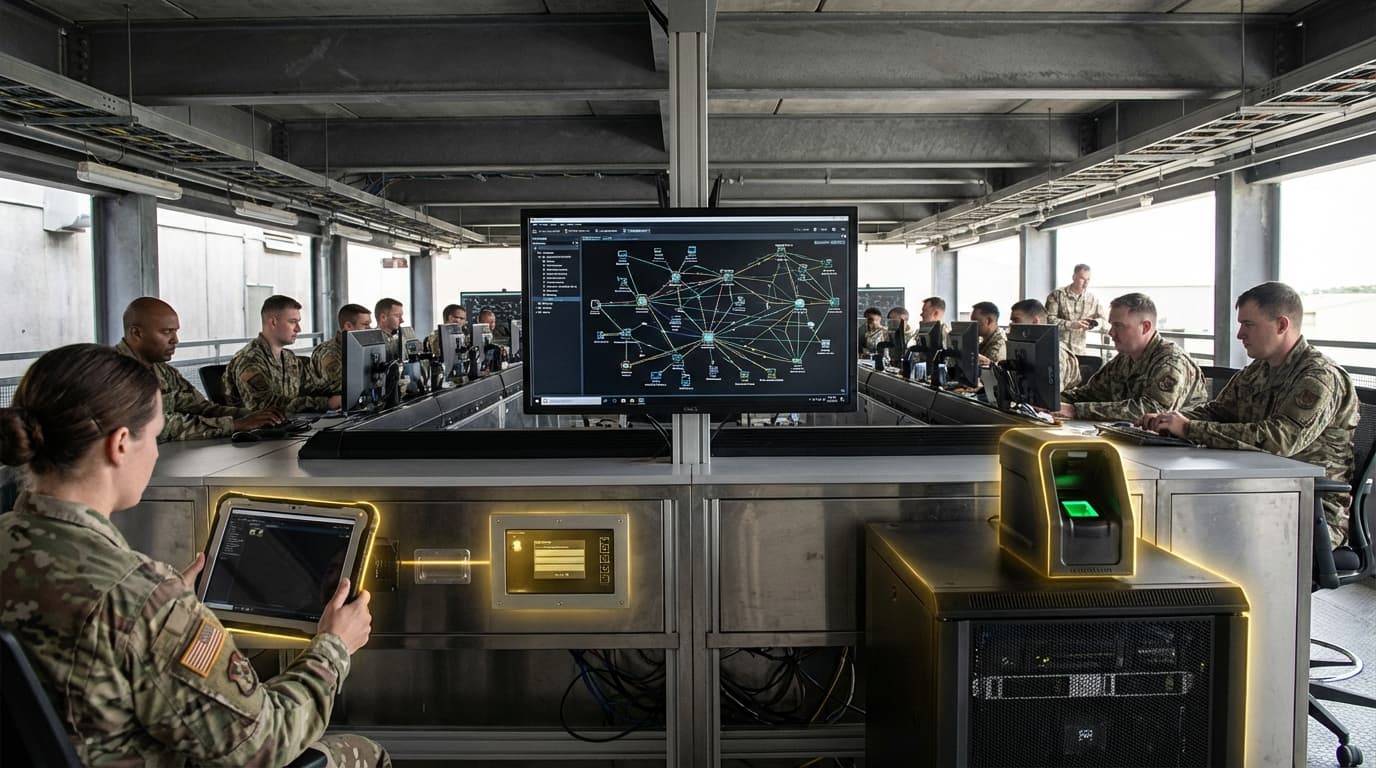
Cyber Kill Chain Automation
The cyber kill chain framework, originally developed to map the stages of a cyberattack from initial reconnaissance through final objectives, has become a foundational model in defensive cybersecurity. Cyber Kill Chain Automation represents the application of artificial intelligence and machine learning to orchestrate defensive responses across all seven phases of this framework: reconnaissance, weaponization, delivery, exploitation, installation, command and control (C2), and actions on objectives. At its technical core, these platforms integrate multiple security tools—including intrusion detection systems, endpoint protection, network traffic analyzers, and threat intelligence feeds—into a unified orchestration layer. Machine learning algorithms continuously analyze patterns across these data streams, identifying indicators of compromise at each kill chain stage and automatically triggering appropriate countermeasures. The system works by maintaining real-time awareness of the threat landscape, correlating seemingly disparate events across an organization's attack surface, and executing pre-configured or dynamically generated response playbooks without requiring human intervention for routine threats.
Traditional cybersecurity operations face a fundamental asymmetry: attackers need only find one vulnerability to succeed, while defenders must protect every potential entry point, often with limited personnel working against sophisticated, well-resourced adversaries. This challenge intensifies as attack sophistication increases and the time between initial compromise and data exfiltration shrinks from months to hours or even minutes. Cyber Kill Chain Automation addresses this speed differential by compressing defensive response times from hours or days to milliseconds. When automated systems detect reconnaissance activity—such as port scanning or phishing attempts—they can immediately deploy deception technologies, isolate affected network segments, or alert security teams with enriched context about the threat actor's likely objectives. During later kill chain phases, these platforms can automatically quarantine compromised endpoints, block C2 communications, and initiate forensic data collection, all while human analysts focus on strategic threat hunting and policy refinement. This automation enables security operations centers to scale their effectiveness without proportionally scaling headcount, a critical capability as organizations face persistent talent shortages in cybersecurity roles.
Early implementations of kill chain automation have appeared primarily in large enterprises and government agencies with mature security operations, though cloud-based security platforms are beginning to democratize access for mid-sized organizations. Financial institutions use these systems to detect and neutralize advanced persistent threats targeting payment systems, while critical infrastructure operators deploy them to protect industrial control systems from nation-state actors. The technology represents a convergence of several broader trends in cybersecurity: the shift toward proactive threat hunting rather than reactive incident response, the integration of threat intelligence into operational workflows, and the application of AI to problems requiring rapid decision-making under uncertainty. As attack automation becomes more prevalent—with adversaries themselves using AI to accelerate reconnaissance and exploit development—defensive automation becomes not merely advantageous but essential for maintaining security posture. The trajectory points toward increasingly autonomous security operations where human expertise focuses on strategic decisions, policy development, and handling novel threats, while automated systems manage the high-volume, time-sensitive aspects of cyber defense across the entire kill chain.
Related Organizations


A not-for-profit organization that operates FFRDCs.

Offers Cortex XSIAM, an autonomous security operations platform driven by AI.

The Falcon platform utilizes AI for automated threat detection and real-time response.


Uses self-learning AI to detect and respond to cyber threats across IT and OT/industrial environments.

Dynamic cyber defense and threat intelligence company (now part of Google Cloud).


Supporting Evidence
Research this in Signals
Signals turns a topic into a sourced research record you can inspect and rerun. Your first scan is free, and this one starts with Cyber Kill Chain Automation already loaded, so edit it or scan as is.