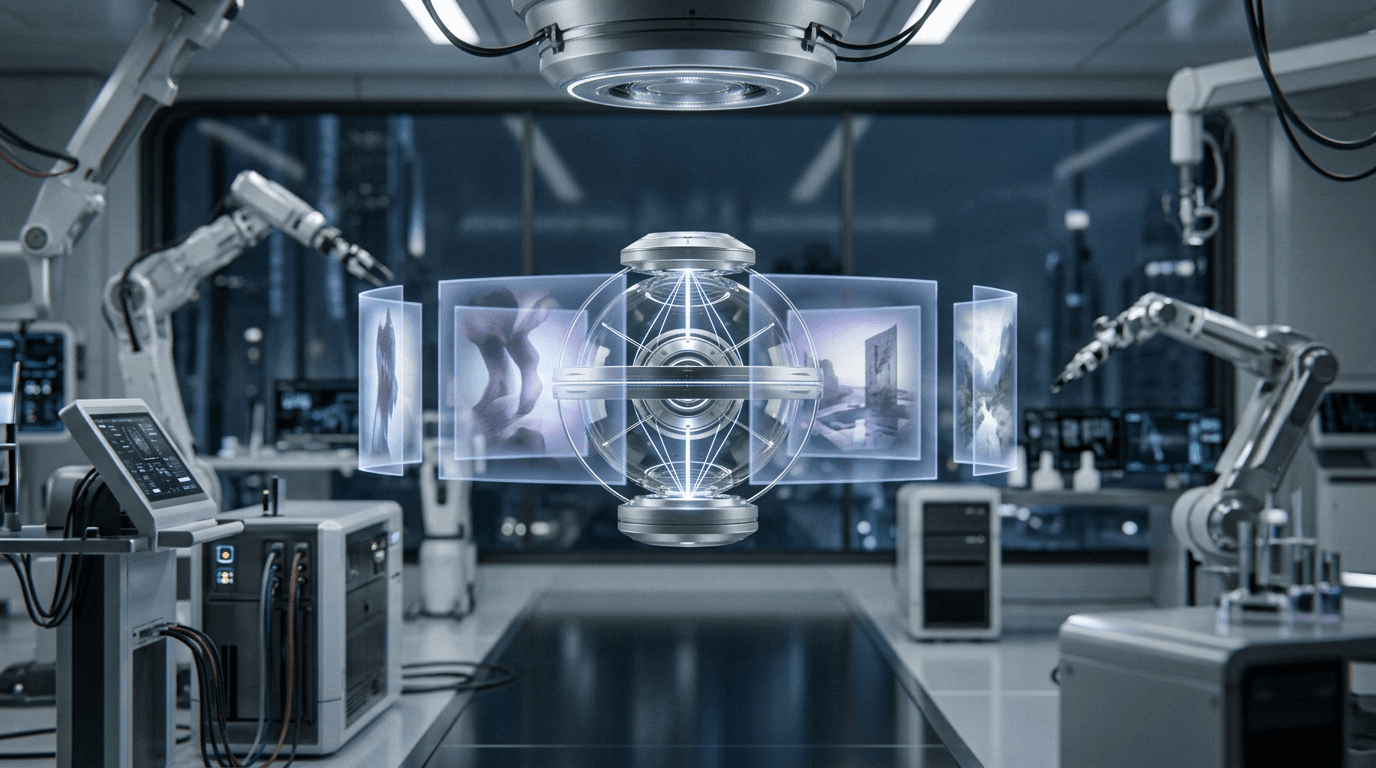
Thought-Image Reconstruction
Multiple approaches propose capturing subjective mental experiences—visual imagery, thoughts, memories, emotions—through detection of associated neural, electromagnetic, or biofield signatures without direct physical contact. The concept spans from legitimate neuroscience research (brain-computer interfaces, fMRI decoding) to speculative technologies claiming remote thought detection and visualization.
Technical Approaches
Technical approaches include: electromagnetic detection of brainwave patterns associated with specific thoughts or images (EEG, MEG analysis correlating neural oscillations with mental content); functional neuroimaging reconstruction (fMRI neural decoding creating rough visualizations of viewed images from visual cortex activity); biofield photography claims (camera systems allegedly capturing thought-generated energy fields as visible images); and quantum consciousness interfaces proposing direct detection of mental states through quantum field coupling.
Historical Context and Modern Developments
Historical speculation by Nikola Tesla proposed thoughts as electrochemical processes might produce detectable electromagnetic radiation capturable photographically—though no evidence indicates he built such apparatus, the concept influenced later 'thoughtography' research and psychotronic investigations. Modern dream decoding using AI and fMRI demonstrates actual thought-image reconstruction at rudimentary levels (recognizing object categories, colors, spatial layouts from visual cortex patterns).
Current Challenges and Limitations
Challenges include brain signals are extremely weak (microvolts for EEG) requiring close proximity or invasive electrodes; thoughts don't generate focused EM radiation detectable at distance; most neural activity is subthreshold and not externally measurable; and subjective experiences (qualia) may not have unique electromagnetic signatures. Current limits: dream decoding achieves category-level accuracy (objects, scenes) but not precise imagery; EEG control interfaces work but require extensive training and direct electrode contact; no remote thought-reading capability exists.
Assessment and Future Potential
The technology bridges legitimate neuroscience (neural decoding is active research area with clinical applications) and speculative remote mind-reading (claiming ability to detect thoughts at a distance without contact). While brain-computer interfaces demonstrate direct thought-to-machine communication, this requires neural implants or EEG electrodes. True 'thought photography' without physical contact remains speculative, though advances in neuroimaging and AI suggest increasingly sophisticated thought-image reconstruction may become possible with improving sensitivity and machine learning capabilities.
Research this in Signals
Signals turns a topic into a sourced research record you can inspect and rerun. Your first scan is free, and this one starts with Thought-Image Reconstruction already loaded, so edit it or scan as is.