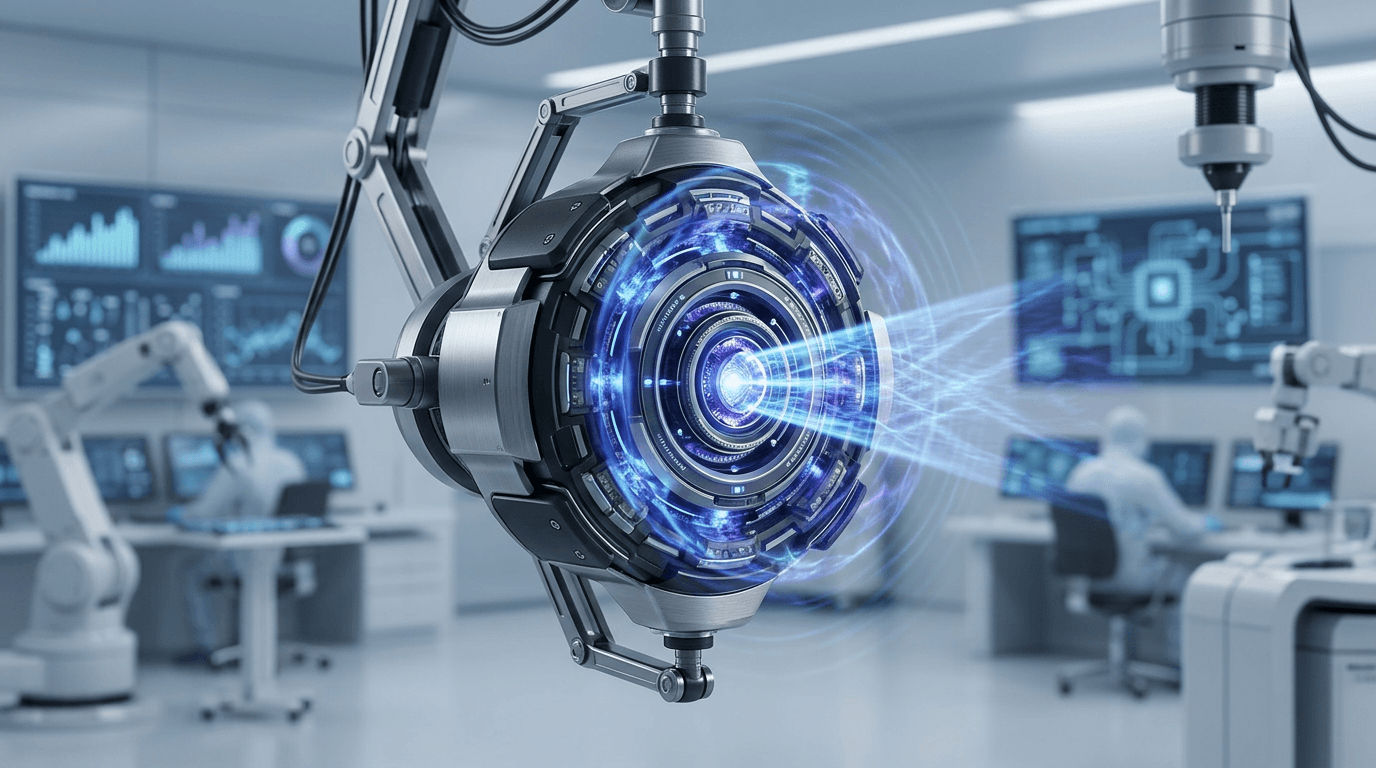
Sonic Immobilization
Neurological immobilization sonic field induction describes psychophysical immobilization devices reported in entity encounter literature—sleep paralysis tones, sonic immobilizers, and field-based systems that disrupt neural activity to induce temporary paralysis. These systems represent convergence of encounter testimony with cutting-edge research in neural disruption, non-lethal weapons, and advanced acoustic technologies.
Encounter Testimony Patterns
Abduction literature consistently describes sonic tones or frequencies that induce sleep paralysis; devices that emit sounds causing immediate immobilization; field-based systems that disrupt motor control; and non-physical restraints that prevent movement. Witnesses report: tones that seem to come from nowhere but cause immediate paralysis; sounds that affect the entire body simultaneously; inability to move despite conscious awareness; and systems that can be activated and deactivated remotely. Common elements include: absence of visible devices or sources; sounds that seem to penetrate the body; immediate onset of paralysis; and ability to maintain consciousness while immobilized.
Vibrating Sonic Immobilizers
Specific devices described include rings, panels, or hand-held emitters producing low hum, buzz, or pulsing vibration in the air; devices attached around the head or torso; sonic activation causing instant muscular paralysis and loss of voluntary control; and mental stillness while retaining awareness but inability to move or speak. Witnesses report: humming devices or environment-wide vibration that freezes subjects before levitation; sonic immobilization during medical examinations to prevent movement; and internal sound perception 'as if inside my skull.'
Reported Use Contexts
Initial capture procedures using humming devices or environment-wide vibration to freeze subjects before levitation; medical restraint during examination or implantation scenes to prevent movement; and general immobilization for transport or procedure control. The technology appears to be used for both initial capture and ongoing restraint during procedures.
Experiencer Commentary
Ed reports
'A ring hummed around my head and everything froze.' Scott describes: 'There was a sound, deep and vibrating, and I couldn't move.' Carlos notes: 'When they appeared, the air vibrated and I went numb.' These accounts suggest energy immobilization fields, perhaps acoustic or electromagnetic, with uniform phenomenology of paralysis induced by vibration and sound rather than chemical means.
Human Technology Parallels—Non-Lethal Weapons
Current non-lethal weapon technologies include acoustic weapons using high-intensity sound to cause pain and disorientation; electromagnetic weapons disrupting electronic systems; and chemical agents causing temporary incapacitation. Advanced approaches include: directed energy weapons using microwaves or lasers; acoustic hailing devices for crowd control; and electromagnetic pulse weapons for electronic disruption. Applications span: law enforcement and crowd control; military non-lethal operations; and security systems for facility protection.
Neural Disruption Technologies
Emerging neural disruption technologies include transcranial magnetic stimulation (TMS) for non-invasive brain stimulation; transcranial direct current stimulation (tDCS) for cognitive enhancement; and deep brain stimulation for neurological disorders. Advanced approaches include: focused ultrasound for brain stimulation; electromagnetic field therapy for neurological conditions; and optogenetics for precise neural control. Research areas include: non-invasive brain stimulation for medical applications; electromagnetic therapy for depression and anxiety; and acoustic stimulation for cognitive enhancement.
Sonic and Acoustic Technologies
Advanced acoustic technologies include parametric speakers for directional sound projection; acoustic metamaterials for sound manipulation; and ultrasonic devices for medical imaging and therapy. Emerging approaches include: acoustic levitation for object manipulation; sonic weapons for crowd control; and acoustic communication systems for underwater applications. Applications include: medical ultrasound for imaging and therapy; acoustic sensors for environmental monitoring; and sonic weapons for law enforcement.
Sleep Paralysis Research
Scientific research in sleep paralysis includes neurological studies of REM sleep and muscle atonia; psychological research on sleep paralysis experiences; and medical studies of sleep disorders and neurological conditions. Advanced approaches include: brain imaging studies of sleep paralysis; pharmacological treatments for sleep disorders; and cognitive behavioral therapy for sleep paralysis. Applications include: treatment of sleep disorders; research on consciousness and sleep; and medical interventions for neurological conditions.
Technical Implementation
The technology would require precision sonic field generation; targeted frequency delivery to neural systems; non-destructive immobilization effects; and environmental or portable deployment capabilities. The approach seeks to achieve immobilization through acoustic manipulation rather than chemical or physical restraint.
Enabling Technologies
Advanced neural disruption technologies include high-power electromagnetic field generators; focused ultrasound systems for brain stimulation; and acoustic metamaterials for sound manipulation. Computational requirements include: real-time neural monitoring and control; machine learning for neural pattern recognition; and edge computing for responsive neural intervention. Materials science advances include: metamaterial antennas for enhanced field generation; acoustic metamaterials for sound control; and smart materials for adaptive neural interfaces.
Speculative Mechanisms
Encounter reports describe capabilities beyond current technology
sonic systems that can induce paralysis without physical contact; field-based immobilization that affects the entire body simultaneously; and systems that can be activated and deactivated instantly. Speculative explanations include: advanced acoustic technologies far beyond current capabilities; electromagnetic field effects on neural activity; and unknown physics principles for neural disruption. Alternative interpretations suggest: induced perception through advanced psychological techniques; technological staging areas designed to appear more advanced than reality; or symbolic/altered-state experiences rather than literal technological interfaces.
Current Status
While theoretically grounded in acoustic weapon research and neural disruption, vibrating sonic immobilizers remain speculative with significant technical challenges. The technology represents an extension of acoustic weapon research into precise immobilization applications, though practical implementation requires advanced acoustic field control and neural targeting capabilities.
Open Questions & Research Directions
Key questions include Can sonic frequencies induce paralysis without physical harm? How might electromagnetic fields disrupt neural activity? What physics principles could enable field-based immobilization? Research directions include: metamaterial acoustic systems for enhanced sound control; quantum field effects for neural disruption; and advanced AI for neural monitoring and control. The convergence of non-lethal weapons, neural disruption technologies, and acoustic research suggests that encounter-described capabilities may become technologically feasible, though current limitations in safety, effectiveness, and energy requirements remain significant barriers.
Neurological immobilization sonic field induction represents a compelling intersection of encounter testimony and cutting-edge neural disruption research. While current technology falls short of encounter descriptions, rapid advances in non-lethal weapons, neural disruption technologies, and acoustic research suggest that some capabilities may become feasible within decades. The consistency of encounter reports across independent witnesses, combined with detailed technical descriptions, makes these systems particularly intriguing for xenotechnology research—bridging speculative physics with emerging human technology development.
Research this in Signals
Signals turns a topic into a sourced research record you can inspect and rerun. Your first scan is free, and this one starts with Sonic Immobilization already loaded, so edit it or scan as is.