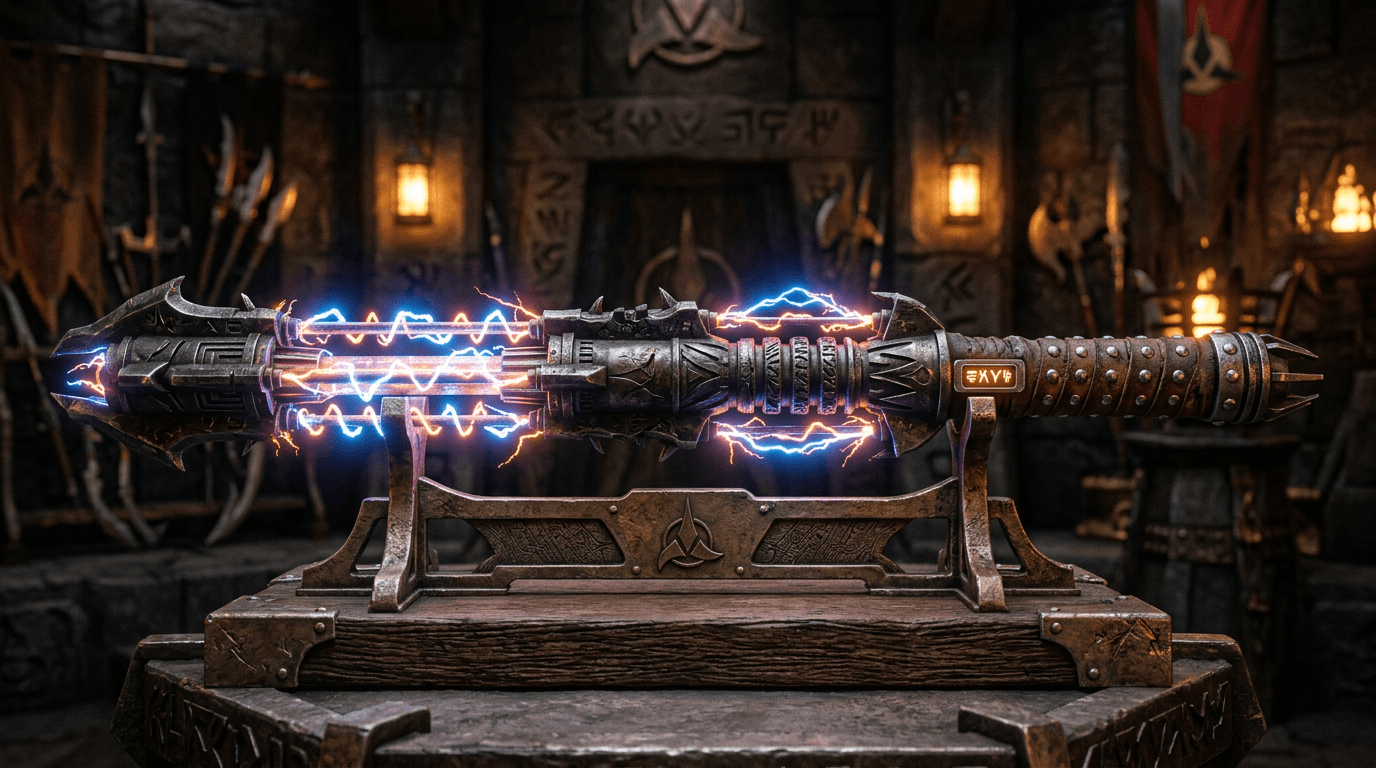
Painstik
The painstik represents a ritualized technology that merges cultural symbolism with controlled bioelectric stimulation. In fictional warrior societies, particularly those depicted in science fiction narratives exploring honor-based cultures, such devices serve as formalized instruments for testing psychological resilience and physical endurance. The mechanism typically involves generating electrical discharges calibrated to produce intense pain without causing permanent tissue damage—a concept that parallels real-world research into non-lethal compliance devices and pain tolerance studies in neuroscience. The painstik functions as both a ceremonial object and a measurement tool, translating abstract qualities like courage and determination into observable behavioral responses during structured rites of passage.
Within narrative frameworks, the painstik occupies a crucial position in social structures that valorize stoicism and martial prowess. Its use in coming-of-age ceremonies creates a public demonstration of readiness for adult responsibilities, transforming private suffering into communal validation. This ritualized application of pain serves multiple strategic purposes in worldbuilding: it reinforces cultural values around emotional control, establishes hierarchical distinctions between those who have undergone the trial and those who have not, and provides a dramatic mechanism for character development. The concept resonates with anthropological studies of initiation rites across human cultures, where controlled ordeals mark transitions between social states. In speculative military contexts, similar technologies might theoretically be employed in training programs designed to assess stress responses or build psychological resilience, though ethical frameworks in contemporary societies impose significant constraints on such applications.
The plausibility of painstik-like devices rests on well-established principles of electrical stimulation and pain physiology. Modern TENS units, cattle prods, and experimental pain research already demonstrate our capacity to generate controlled electrical discharges that activate nociceptors without causing burns or permanent injury. However, the ceremonial consistency implied by fictional depictions—delivering precisely calibrated pain experiences across multiple subjects—would require sophisticated biometric monitoring and adaptive output systems that remain challenging with current technology. The primary constraints are ethical rather than technical: contemporary medical ethics and human rights frameworks severely restrict deliberate pain infliction, even in consensual contexts. For such devices to move from speculative fiction to practical application, significant cultural shifts regarding acceptable training methodologies would be necessary, alongside regulatory frameworks governing intensity limits, medical oversight, and informed consent protocols that currently exist only in fragmentary form.
Research this in Signals
Signals turns a topic into a sourced research record you can inspect and rerun. Your first scan is free, and this one starts with Painstik already loaded, so edit it or scan as is.