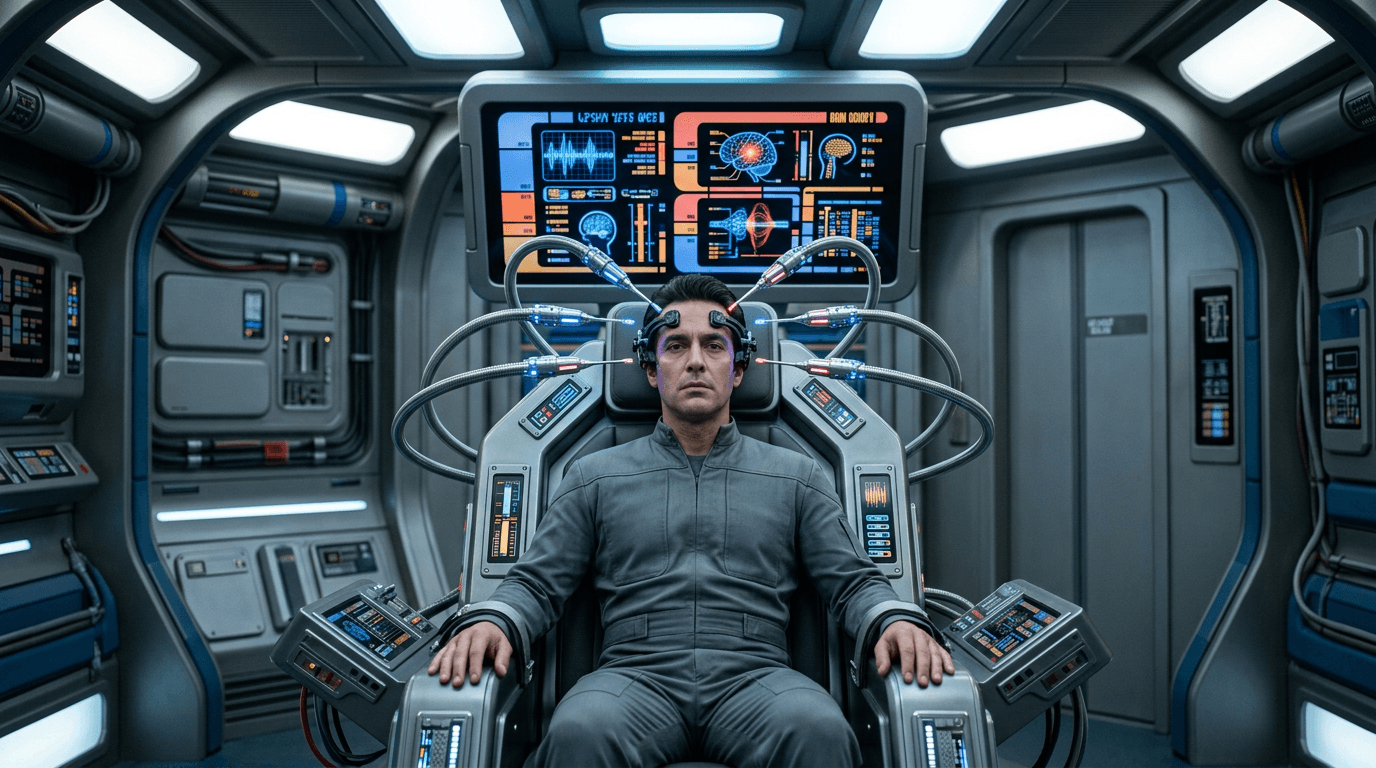
Neural Conditioning Devices
Neural conditioning devices represent a category of speculative neurotechnology designed to directly interface with human cognition for the purposes of information extraction, belief modification, and psychological reconditioning. In science fiction narratives and strategic scenario planning, these systems are imagined to combine advanced brain-computer interfaces with targeted electromagnetic stimulation, neurochemical modulation, and sophisticated AI-driven psychological profiling. The theoretical mechanism involves mapping individual neural patterns associated with specific memories, beliefs, and emotional responses, then using precisely calibrated interventions to either suppress, enhance, or alter these patterns. Unlike conventional interrogation methods that rely on psychological pressure and environmental manipulation, neural conditioning devices are conceived as direct interventions into the neurological substrate of consciousness itself, potentially bypassing traditional forms of mental resistance through technological means rather than psychological coercion.
These devices appear prominently in speculative fiction and defense futures discourse as a representation of ultimate control over human autonomy and the weaponization of neuroscience. They serve as narrative vehicles for exploring ethical boundaries around cognitive liberty, the nature of personal identity, and the potential consequences of merging surveillance technology with neuroscience. In strategic planning contexts, the concept helps defense and intelligence communities think through potential adversarial capabilities and develop ethical frameworks before such technologies might become feasible. Real-world research in brain-computer interfaces, transcranial magnetic stimulation, and memory reconsolidation therapy provides distant scientific foundations, though current capabilities remain limited to therapeutic applications like treating PTSD or depression. The fictional extrapolation to forced memory extraction or belief implantation represents a significant leap beyond established neuroscience, requiring breakthroughs in neural mapping precision, real-time cognitive state interpretation, and targeted memory manipulation that do not currently exist.
The plausibility of such devices remains highly constrained by fundamental gaps in our understanding of memory encoding, belief formation, and consciousness. While neuroscience has identified brain regions associated with memory storage and emotional processing, the actual mechanisms by which complex beliefs and autobiographical memories are encoded remain poorly understood. Current brain stimulation techniques lack the precision to target specific memories without affecting broader cognitive functions, and the ethical barriers to research in this direction are substantial. For neural conditioning to approach fictional depictions, multiple breakthroughs would be required: complete mapping of individual neural connectomes, real-time decoding of semantic content from brain activity, and reversible methods for modifying synaptic connections without causing permanent damage. Most neuroscientists consider forced memory implantation or extraction to be far beyond foreseeable capabilities, though the accelerating pace of brain-computer interface development and AI-assisted neural decoding suggests that some limited forms of cognitive influence may eventually become possible, raising urgent questions about regulation and human rights protections long before the technology fully materializes.
Research this in Signals
Signals turns a topic into a sourced research record you can inspect and rerun. Your first scan is free, and this one starts with Neural Conditioning Devices already loaded, so edit it or scan as is.