








Sports athlete data
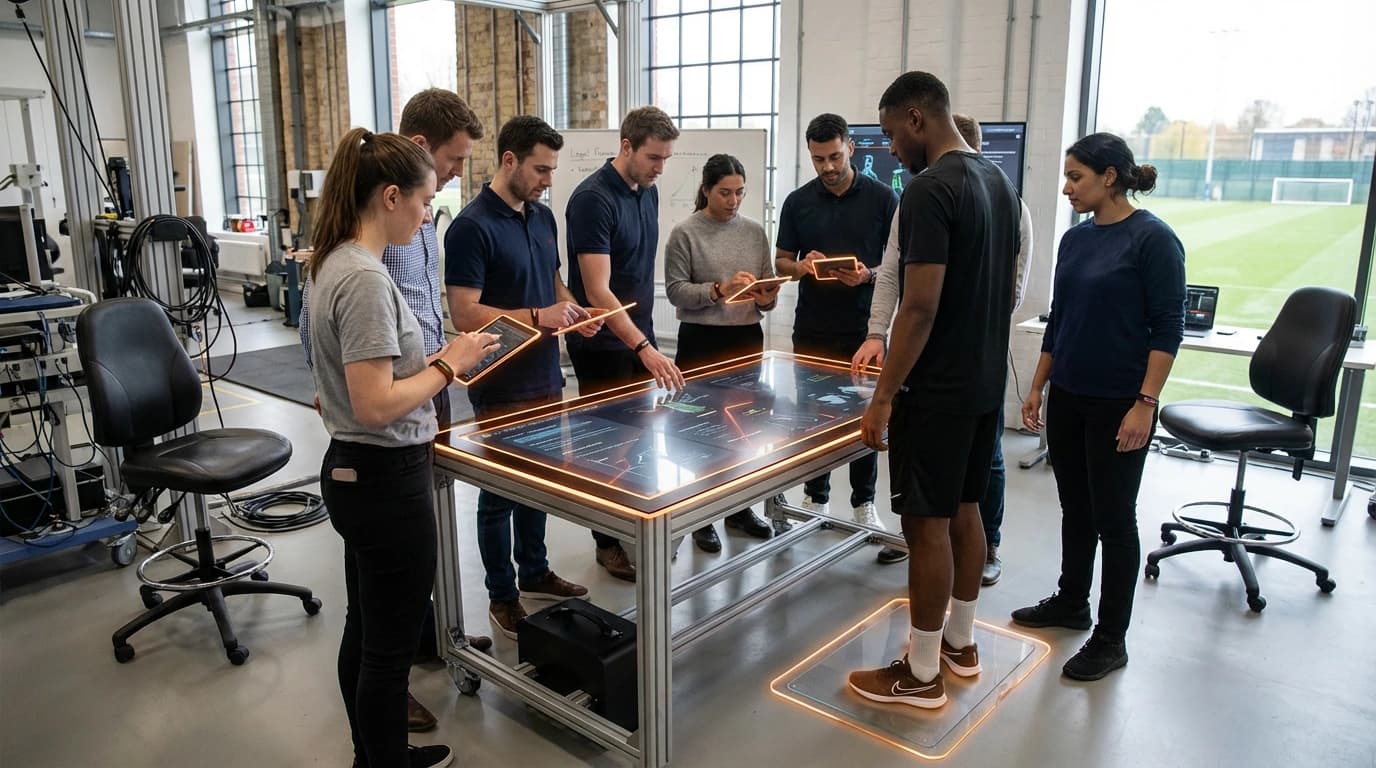
Performance Data & Labour Rights
Legal frameworks governing how teams and leagues can use athlete biometric and performance data
The proliferation of wearable sensors, biomechanical tracking systems, and advanced analytics in professional sports has created an unprecedented volume of granular data about athlete performance, health status, and physical condition. While this information can optimise training regimens and reduce injury risk, it also introduces significant power asymmetries between athletes and the organisations that employ them. Performance data and labour rights frameworks address this challenge by establishing legal and contractual boundaries around how detailed metrics—ranging from heart rate variability and sleep patterns to muscle fatigue indicators and cognitive load measurements—can be deployed in employment decisions. These policies typically specify which categories of data may inform contract negotiations, establish consent requirements for data collection and sharing, and create safeguards against punitive uses of health information. The core mechanism involves distinguishing between data used for athlete development and wellness versus data weaponised for compensation suppression or roster manipulation.
Professional sports organisations face mounting pressure to leverage every available data point for competitive advantage, yet unchecked access to biometric and performance information creates substantial risks for athlete welfare and bargaining power. Teams could theoretically use micro-level fatigue data to justify reduced salaries, deploy injury prediction algorithms to avoid signing players flagged as high-risk, or share sensitive health metrics with sponsors who might withdraw endorsements based on perceived performance decline. These frameworks solve the problem of information asymmetry by ensuring athletes retain agency over their own data while preventing organisations from exploiting granular metrics in ways that undermine fair compensation or create discriminatory practices. By establishing clear boundaries, these policies enable the beneficial uses of performance technology—injury prevention, personalised training, recovery optimisation—while blocking exploitative applications that could transform athletes into data points rather than professionals with negotiating rights.
Several professional sports leagues and player associations have begun implementing these protections through collective bargaining agreements and regulatory guidelines, though adoption remains uneven across different sports and jurisdictions. Early frameworks typically mandate athlete consent for biometric data collection beyond basic performance statistics, restrict the sharing of health information with third parties including sponsors and media, and prohibit the use of predictive health analytics in contract termination decisions. Some agreements establish independent oversight bodies to audit how organisations use athlete data and investigate complaints of misuse. As performance tracking technology becomes more sophisticated and invasive—with emerging capabilities to monitor everything from hydration levels to neurological function—these labour protections will likely expand to address new categories of sensitive information. The trajectory points toward more comprehensive data rights frameworks that treat athlete biometrics with the same privacy protections afforded to medical records, while preserving the legitimate performance enhancement applications that make sports technology valuable in the first place.
TRL
3/9Conceptual
Impact
4/5
Investment
2/5
Category
Ethics Security
Related Organizations
The worldwide representative organization for professional footballers, actively developing the 'Charter of Player Data Rights'.
Standards Body
The union for current professional basketball players in the NBA.
Standards Body
The exclusive global voice of organized players and athletes across professional sport, focusing on human rights and data privacy.
Standards Body
The union for professional football players in the National Football League.
Standards Body
Bio-analytics company analyzing blood and biomarkers to optimize performance.
Developer
Sports intelligence platform consolidating medical, performance, and coaching data.
Developer
The union for WNBA players, actively involved in partnerships involving health data (e.g., Oura) and protecting player privacy.
Standards Body
AI platform analyzing athlete data to forecast injury risk and optimal workload.
Developer
The UK's independent regulator for data rights, providing specific guidance on AI and data protection.
Standards Body
What was expected
Published forecasts about this technology, graded against what happened in Hindsight.
Supporting Evidence
Evidence data is not available for this technology yet.
Research this in Signals
Scan Performance Data & Labour Rights for yourself.
Signals turns a topic into a sourced research record you can inspect and rerun. Your first scan is free, and this one starts with Performance Data & Labour Rights already loaded, so edit it or scan as is.