
Athlete Consent & Data Wallets
The modern sports industry generates unprecedented volumes of athlete data—from GPS tracking and heart rate variability to biomechanical analysis and recovery metrics. Yet this data ecosystem has historically operated with fragmented consent models, where athletes often lack visibility into who accesses their information, for what purpose, and for how long. Athlete consent and data wallets address this fundamental asymmetry by implementing self-sovereign identity principles within sports contexts. These digital systems function as personal data vaults where athletes maintain cryptographic control over their information assets. Built on distributed ledger technologies or secure cloud architectures, these wallets enable granular permission management through smart contracts or policy engines that automatically enforce access rules. When a team physiotherapist, equipment sponsor, or league official requests data, the athlete receives a transparent request specifying exactly what information is needed and how it will be used, creating an auditable consent trail that persists across career transitions and organizational boundaries.
The fragmented nature of professional sports—where athletes move between clubs, interact with multiple sponsors, and engage various training specialists—has created significant data governance challenges. Traditional systems often resulted in performance data being siloed within team databases, duplicated across vendor platforms, or shared without ongoing athlete awareness. This lack of control has raised concerns about privacy violations, unauthorized commercial exploitation, and potential misuse of sensitive health information that could affect contract negotiations or career opportunities. Athlete consent and data wallets solve these problems by establishing the athlete as the central authority in their data ecosystem. Rather than each organization maintaining separate databases with inconsistent permissions, all data requests flow through the athlete's wallet, where they can establish time-limited access, restrict data to specific use cases, or revoke permissions when relationships end. This architecture also enables athletes to monetize their own data by selectively licensing anonymized performance metrics to research institutions or equipment manufacturers, creating new revenue streams while maintaining privacy protections.
Early implementations of athlete data wallets have emerged in professional leagues exploring blockchain-based identity systems and in Olympic sports where athletes frequently transition between national programs and private training facilities. Research suggests these systems significantly reduce compliance burdens for organizations navigating evolving data protection regulations while simultaneously empowering athletes with unprecedented transparency. The technology proves particularly valuable during career transitions, allowing retiring athletes to retain complete performance histories rather than leaving data scattered across former employers' systems. As wearable sensors and biometric monitoring become standard across amateur and professional sports, the consent wallet model offers a scalable framework for managing increasingly complex data relationships. Industry analysts note growing interest from player associations and athlete advocacy groups in establishing data wallet standards, recognizing that control over performance data represents both a privacy imperative and an economic asset in an era where sports analytics drives billions in commercial value.
Related Organizations

The worldwide representative organization for professional footballers, actively developing the 'Charter of Player Data Rights'.

The union for current professional basketball players in the NBA.

Developing 'Apple Intelligence', a personal intelligence system integrated into iOS/macOS that uses on-device context to mediate tasks and information.

Sports data and technology company that owns Second Spectrum.

A leading global sports technology company creating immersive experiences for sports fans and bettors.
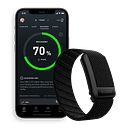
Performance wearable company focusing on strain and recovery.

A public distributed ledger for building decentralized applications.

Supporting Evidence
Research this in Signals
Signals turns a topic into a sourced research record you can inspect and rerun. Your first scan is free, and this one starts with Athlete Consent & Data Wallets already loaded, so edit it or scan as is.