Biometric Data Rights
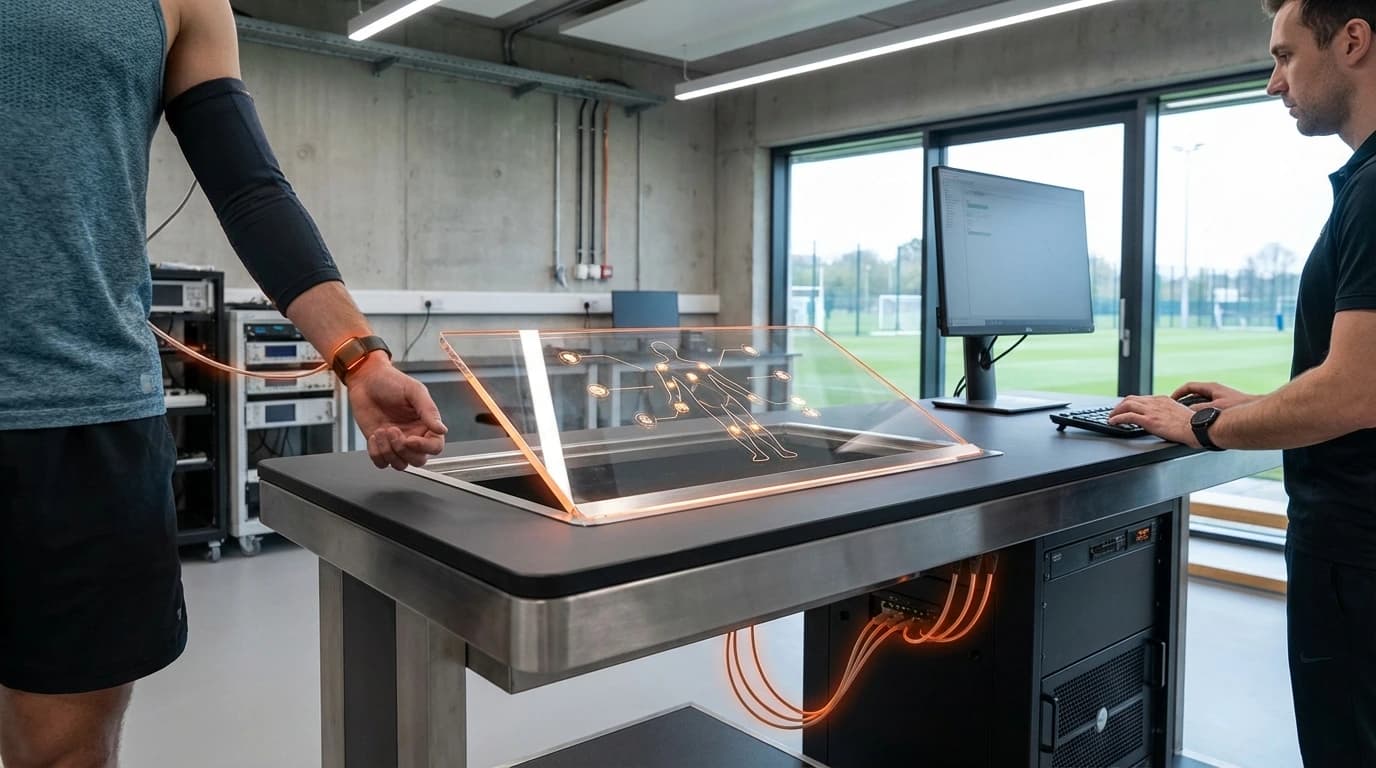
The collection of biometric data in sports has grown exponentially with the proliferation of wearable sensors, smart equipment, and performance monitoring systems. These devices capture an unprecedented range of physiological information—from heart rate variability and blood oxygen levels to biomechanical movement patterns and metabolic responses. While this data offers valuable insights for optimizing athletic performance, it also raises critical questions about ownership, privacy, and control. Biometric data rights frameworks address these concerns by establishing technical and legal mechanisms to protect athletes' sensitive physiological information. At their core, these frameworks combine encryption standards that secure data during transmission and storage, consent management protocols that give athletes granular control over who accesses their information and for what purposes, and ownership rights structures that clarify who holds legal title to the data generated by an athlete's body. Unlike traditional personal data, biometric information is uniquely identifying and immutable—an athlete cannot change their genetic markers or fundamental physiological signatures—making robust protection mechanisms essential.
The sports industry faces mounting challenges around data exploitation, particularly as teams, leagues, equipment manufacturers, and third-party analytics companies all seek access to athlete biometric information. Without clear frameworks, athletes risk losing control over data that could be used to make decisions about their contracts, marketability, or career longevity without their knowledge or consent. Research suggests that biometric data has significant commercial value, creating incentives for unauthorized use in everything from performance prediction algorithms to targeted marketing campaigns. These frameworks address power imbalances between individual athletes and well-resourced organizations by establishing baseline protections and requiring explicit, informed consent before data collection or sharing. They also tackle the problem of data permanence—once biometric information is collected and shared, it becomes nearly impossible to fully retract, making preventive controls crucial. By defining clear ownership rights, these frameworks enable athletes to negotiate data access as part of their contracts and potentially monetize their own information, creating new economic models where athletes benefit directly from insights derived from their physiological data.
Several professional sports leagues and athlete unions have begun implementing biometric data rights policies, though adoption remains uneven across different sports and jurisdictions. Early frameworks typically establish that athletes retain ownership of their biometric data by default, with teams and organizations granted limited access rights under specific conditions. Some implementations include data trusts or collective bargaining provisions that give athlete representatives oversight of how aggregate data is used for research or commercial purposes. The technology sector has responded by developing privacy-preserving analytics methods that allow performance insights to be extracted without exposing raw biometric data, as well as blockchain-based systems for creating immutable records of consent and data access. As wearable technology becomes increasingly sophisticated and biometric monitoring extends beyond elite athletes to amateur and youth sports, the need for comprehensive protection frameworks grows more urgent. Industry observers note that biometric data rights will likely become a standard component of athlete contracts and sports governance structures, similar to image rights and intellectual property protections. The trajectory points toward a future where athletes have meaningful agency over their physiological information, supported by both technical safeguards and legal recognition of biometric data as a form of personal property deserving robust protection.
Related Organizations

The worldwide representative organization for professional footballers, actively developing the 'Charter of Player Data Rights'.

The union for current professional basketball players in the NBA.

The union for professional football players in the National Football League.

An independent organization working to align the world of sport with fundamental human rights principles.

Bio-analytics company analyzing blood and biomarkers to optimize performance.

High-performance sports training institution known for pioneering research in workload management and injury prevention.

The UK's independent regulator for data rights, providing specific guidance on AI and data protection.

Athlete Management System acquired by Movella, specializing in ingesting data from 50+ different hardware integrations.

International independent agency composed and funded equally by the sport movement and governments of the world.
Supporting Evidence
Research this in Signals
Signals turns a topic into a sourced research record you can inspect and rerun. Your first scan is free, and this one starts with Biometric Data Rights already loaded, so edit it or scan as is.