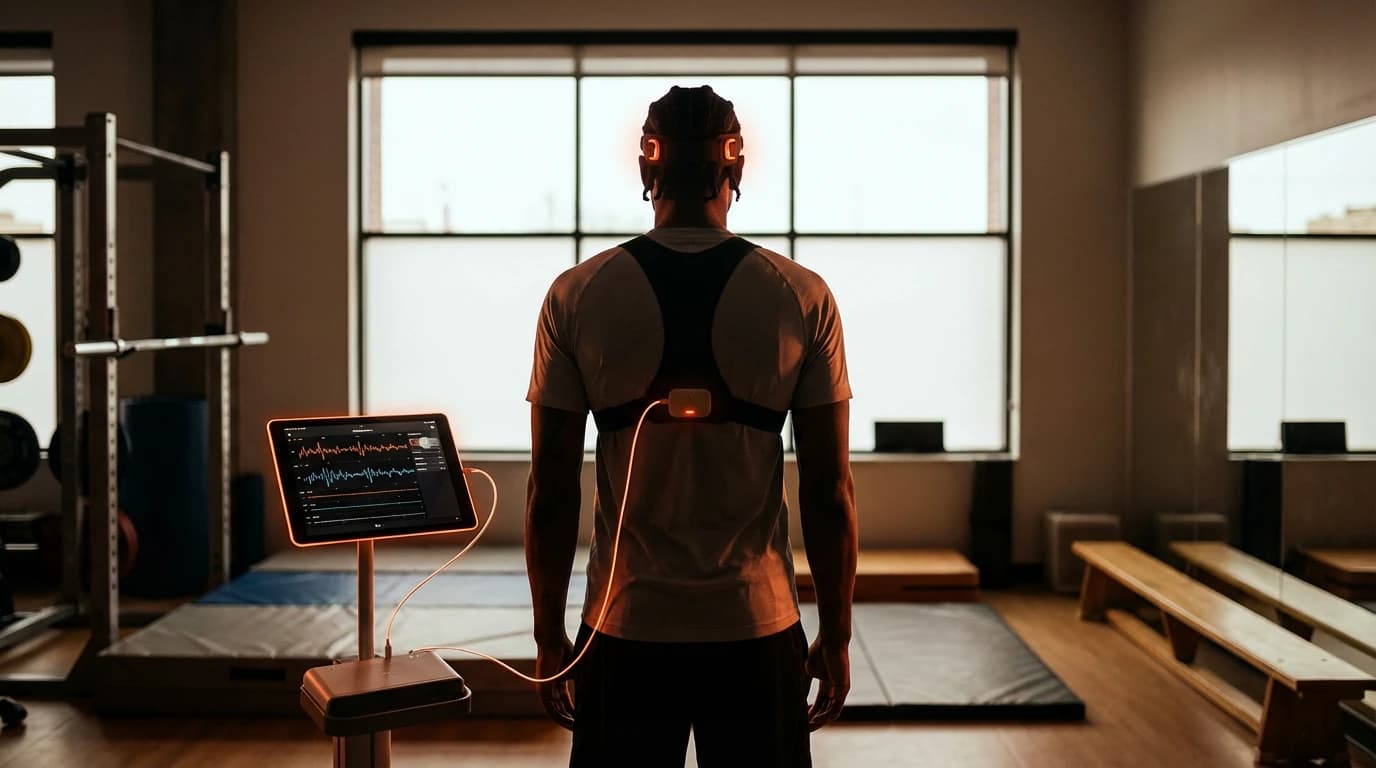
Neural Performance Sensors
Neural performance sensors represent a convergence of neuroscience and athletic performance monitoring, utilizing electroencephalography (EEG) and other bioelectrical sensing technologies in compact, wearable form factors. Unlike traditional performance metrics that focus solely on physical output—heart rate, power output, or biomechanical efficiency—these devices capture electrical activity from the brain and peripheral nervous system to assess cognitive state in real time. The technology typically employs dry electrode sensors embedded in headbands, caps, or even wrist-worn devices that detect microvolt-level signals associated with neural activity. Advanced signal processing algorithms filter out noise and artifacts to isolate meaningful patterns related to attention, mental fatigue, and reaction readiness. Some systems incorporate additional physiological markers such as heart rate variability and galvanic skin response to create a more comprehensive picture of an athlete's psychophysiological state, recognizing that peak performance requires both physical conditioning and optimal mental readiness.
The sports industry has long recognized that cognitive factors—decision-making speed, sustained attention, and mental resilience—can determine competitive outcomes as decisively as physical capabilities. Traditional methods of assessing these qualities have relied on subjective self-reports or indirect behavioral observations, leaving coaches with incomplete information about when athletes are mentally overtrained or when cognitive fatigue might compromise performance or increase injury risk. Neural performance sensors address this gap by providing objective, quantifiable data about brain states that were previously invisible. Research suggests that cognitive fatigue can impair reaction times and decision quality even when physical metrics appear normal, a phenomenon particularly relevant in sports requiring split-second choices or sustained concentration. By detecting early signs of mental exhaustion or suboptimal cognitive states, these sensors enable more nuanced training periodization that accounts for psychological recovery needs. This capability also opens possibilities for personalized cognitive training protocols, where athletes can receive real-time feedback during mental skills practice or learn to recognize and regulate their own cognitive states more effectively.
Early deployments of neural performance sensors have appeared primarily in elite sports contexts and research settings, where teams and organizations are exploring how cognitive monitoring can complement existing performance analytics. Professional sports organizations have begun pilot programs integrating these devices into training sessions, particularly for positions or sports where reaction time and decision-making are critical—such as goalkeepers, baseball batters, or motorsports drivers. The technology also shows promise for managing return-to-play decisions following concussions, where objective cognitive assessment could supplement traditional protocols. Beyond competitive athletics, applications are emerging in tactical training for military and law enforcement, where cognitive readiness under stress is paramount. As the technology matures and becomes more accessible, it aligns with broader trends toward holistic athlete monitoring that recognizes performance as an integration of physical, cognitive, and emotional systems. The trajectory points toward increasingly sophisticated systems that not only measure cognitive state but provide actionable interventions—such as recommending specific recovery strategies or adjusting training intensity based on real-time neural feedback—ultimately enabling a more complete understanding of human performance optimization.
Related Organizations

i-BrainTech
Israel · Startup
AI-powered brain-training platform for athletes using EEG caps.

EEG headband and app designed to train the brain for better focus and relaxation.

Creators of the Muse headband, a consumer EEG device used for meditation and cognitive research.

Produces EEG headsets and the BCI-OS platform, allowing developers to build applications that respond to cognitive stress and facial expressions.

3D multiple object tracking software for cognitive training.

High-performance facility for Red Bull sponsored athletes.

Consumer fNIRS headband for brain training and blood flow monitoring.

Portable light-board system for cognitive testing and training.

Provides sensory performance assessment and training tools (strobe glasses, sensory stations).
Supporting Evidence
Research this in Signals
Signals turns a topic into a sourced research record you can inspect and rerun. Your first scan is free, and this one starts with Neural Performance Sensors already loaded, so edit it or scan as is.