







Advances in Sports Medicine and Wearables
This page is a narrower case of it.
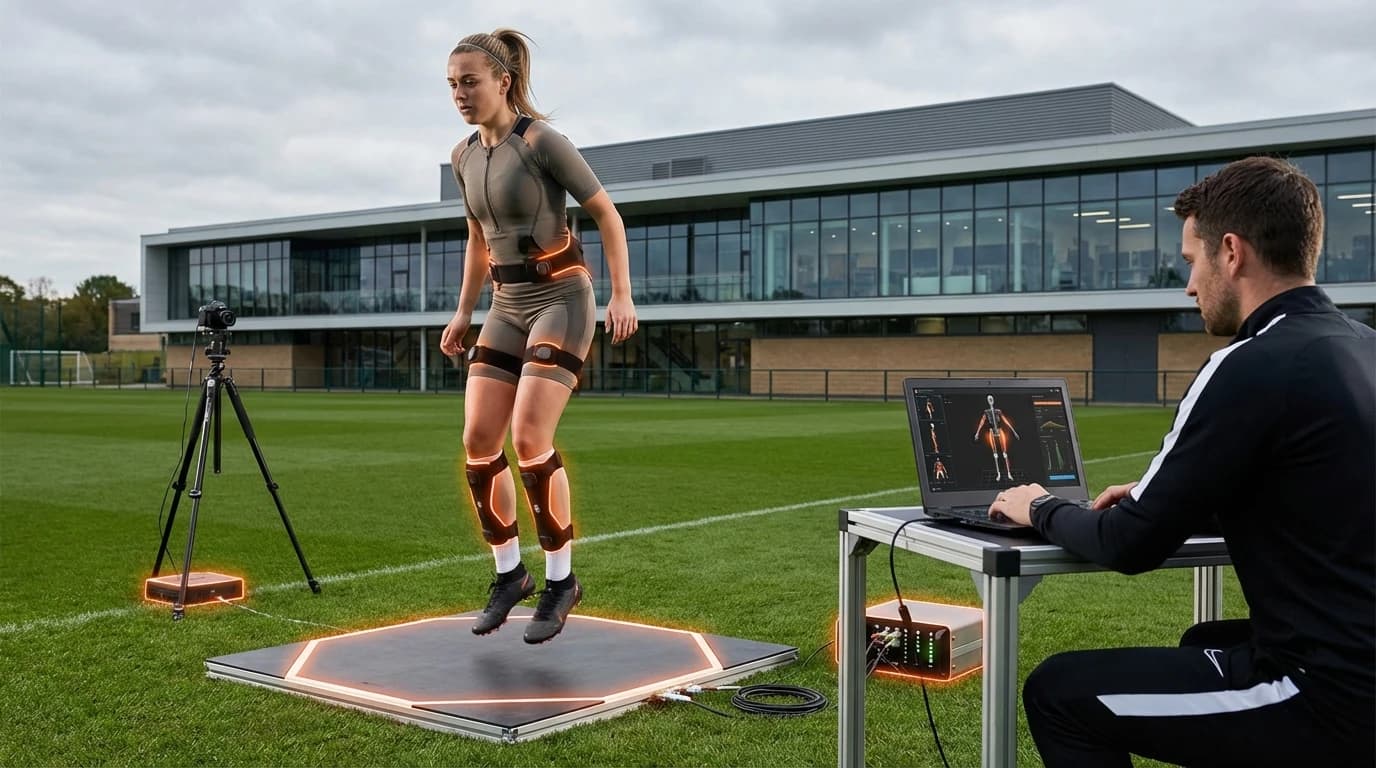
Injury risk prediction engines represent a convergence of sports science, biomechanics, and artificial intelligence designed to address one of the most persistent challenges in athletic performance: the prevention of soft-tissue and overuse injuries. These systems employ machine learning algorithms that continuously analyse multiple data streams—including training load metrics such as distance covered and intensity zones, biomechanical indicators like ground contact time and asymmetry patterns, physiological markers from wearable sensors, sleep quality measurements, and subjective wellness questionnaires. By processing this multidimensional dataset, the engines identify subtle patterns and deviations that precede injury events, often detecting risk elevations days or weeks before an athlete experiences pain or functional limitation. The underlying models are typically trained on historical injury databases spanning thousands of athletes, learning to recognise the complex interplay between acute workload spikes, chronic fatigue accumulation, movement compensations, and recovery deficits that create vulnerability windows for conditions such as hamstring strains, stress fractures, and tendinopathies.
The fundamental problem these systems address is the inherent difficulty coaches and medical staff face in synthesising vast amounts of performance data into actionable injury prevention strategies. Traditional approaches to load management often rely on simple ratios or subjective assessments that fail to account for individual variability and the nonlinear nature of injury causation. Research suggests that injuries not only sideline athletes during critical competition periods but also impose substantial financial costs on professional organisations through lost playing time and medical expenses. Injury prediction engines overcome these limitations by providing personalised, dynamic risk assessments that update as new data becomes available, enabling proactive rather than reactive interventions. The systems generate specific recommendations—such as reducing training volume by a certain percentage, substituting high-impact drills with alternative exercises, or limiting competition minutes—that keep athletes within evidence-based safety thresholds while maintaining fitness adaptations necessary for peak performance.
Early deployments in professional team sports and Olympic training centres indicate promising results, with some programmes reporting measurable reductions in injury incidence among monitored athletes. Beyond elite sport, these engines are beginning to appear in collegiate athletics and specialised training facilities, where they support decisions about return-to-play timing following injury and guide periodisation strategies across competitive seasons. The technology aligns with broader industry trends toward precision sports medicine and data-driven performance optimisation, where individualised interventions replace one-size-fits-all training protocols. As sensor technology becomes more sophisticated and datasets grow larger, these prediction engines are expected to incorporate additional variables such as genetic predisposition markers, nutritional status, and psychological stress indicators, further refining their accuracy and expanding their utility across diverse athletic populations and competitive levels.
AI platform analyzing athlete data to forecast injury risk and optimal workload.
High-performance sports training institution known for pioneering research in workload management and injury prevention.
Life sciences company transforming MRI data into 3D muscle analysis to predict injury and guide rehabilitation.
Provides real-time tactical analysis via wearable sensors (UWB) and ball tracking, used heavily in the NBA and Handball.
Creator of measurement technologies like NordBord and ForceFrame used to screen for strength imbalances.
A sports intelligence platform founded by former team analysts that builds custom tactical models for pro teams.
Maker of the Oura Ring, a smart ring that tracks sleep, readiness, and stress.
Published forecasts about this technology, graded against what happened in Hindsight.
Advances in Sports Medicine and Wearables
This page is a narrower case of it.
Signals turns a topic into a sourced research record you can inspect and rerun. Your first scan is free, and this one starts with Injury Risk Prediction Engines already loaded, so edit it or scan as is.