






Augmented Training Analytics
This page is a narrower case of it.
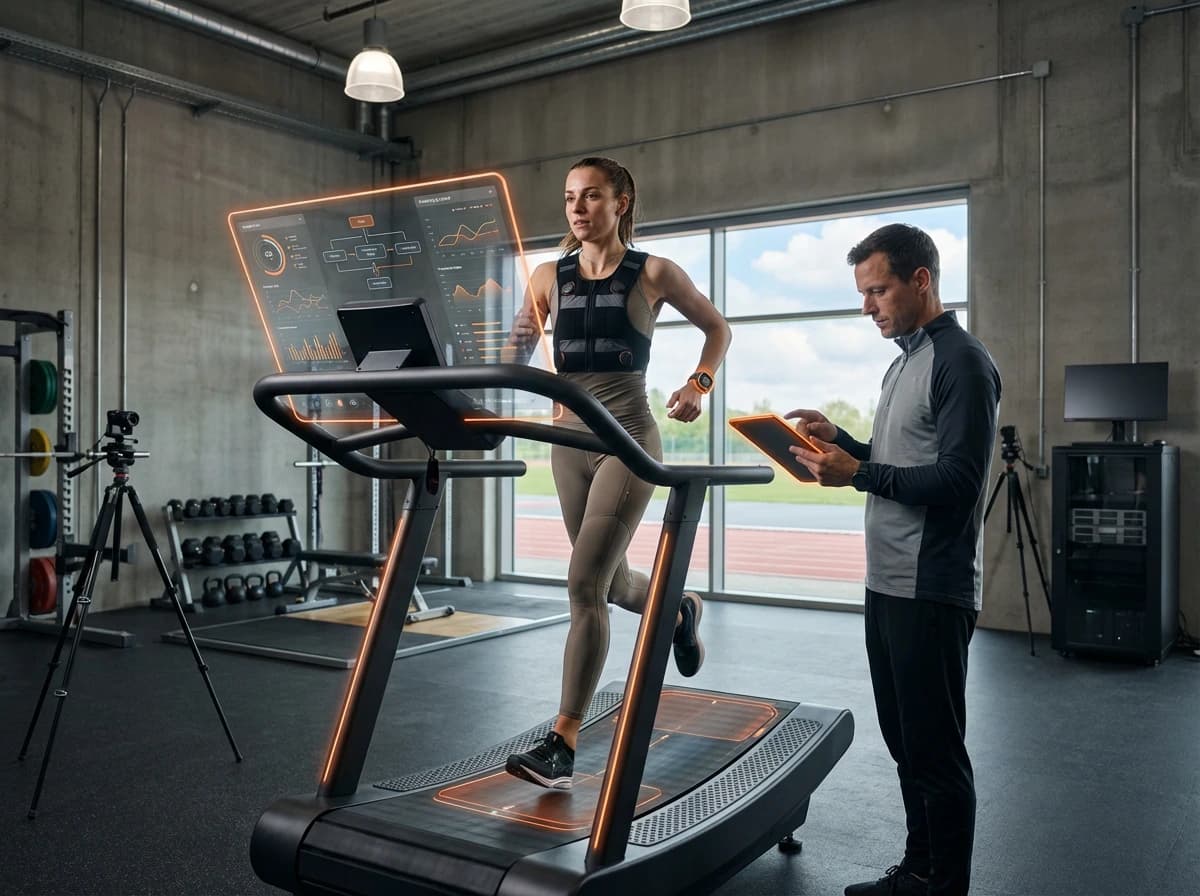
Athletic performance optimization has long relied on periodization—the systematic planning of training cycles to peak at critical moments. Traditional periodization models, however, follow predetermined schedules that cannot account for the day-to-day variability in athlete readiness, recovery status, or unexpected disruptions like illness or schedule changes. Adaptive training plan optimizers address this limitation by treating training programs as continuous optimization problems rather than static blueprints. These AI-driven systems integrate multiple data streams—sleep quality metrics, heart rate variability, subjective wellness questionnaires, training load history, and competition calendars—to recalculate optimal training prescriptions on a daily or even session-by-session basis. The underlying algorithms employ techniques from operations research and machine learning to balance competing objectives: building fitness adaptations, managing fatigue accumulation, minimizing injury risk, and ensuring athletes reach peak performance windows aligned with major competitions. Unlike rigid periodization models that might prescribe high-intensity work regardless of an athlete's current state, these systems dynamically adjust volume, intensity, exercise selection, and recovery protocols based on real-time readiness indicators.
The sports performance industry faces mounting pressure to maximize return on investment in athlete development while simultaneously reducing injury rates that can derail seasons and careers. Coaches and performance staff traditionally rely on experience and intuition to modify training plans, but the complexity of managing multiple athletes across different positions, each with unique physiological profiles and competition schedules, often exceeds human cognitive capacity. Adaptive optimizers solve this scalability challenge by automating the continuous recalibration process, freeing coaches to focus on technique refinement and tactical preparation. These systems also address the problem of overtraining syndrome, which occurs when cumulative fatigue outpaces recovery—a condition notoriously difficult to detect until performance has already declined. By monitoring trends in biomarkers and performance metrics, optimization algorithms can preemptively reduce training stress before maladaptation occurs, effectively serving as an early warning system that traditional periodization cannot provide.
Early deployments of adaptive training optimizers have appeared primarily in professional sports organizations and Olympic training centers, where the financial stakes justify investment in sophisticated performance technology. Research in sports science suggests that individualized, responsive programming can improve training outcomes by 8-15% compared to group-based periodization models, though these figures vary considerably across sports and athlete populations. The technology is gradually expanding into collegiate athletics and high-performance training facilities serving serious amateur athletes. Current systems typically operate as decision-support tools that generate recommendations for coaches rather than fully autonomous training prescription, reflecting the industry's preference for keeping human expertise in the loop. As wearable sensor technology becomes more affordable and machine learning models grow more sophisticated at predicting individual responses to training stimuli, these optimizers are expected to become standard infrastructure in competitive sports. The trajectory points toward increasingly granular personalization, with future systems potentially optimizing not just daily sessions but individual set-and-rep schemes within workouts, creating truly individualized training experiences that adapt in real-time to each athlete's physiological state and performance goals.
AI coaching platform founded by sports scientist Paul Laursen that optimizes training plans for endurance athletes.
Cycling training software that uses machine learning to adjust future workouts based on recent performance.
A digital training platform that uses AI to create hyper-personalized, adaptive training plans for endurance athletes.
Cycling analytics platform developed by Baron Biosystems that determines 'Maximum Power Available' in real-time.
Triathlon training platform using 'Optimized Training' technology based on decades of athlete data.
Training app specifically for women that adapts plans based on menstrual cycles and hormonal physiology.
AI-based endurance coaching app that generates and adapts seasonal plans.
Physiological analytics company (acquired by Garmin) providing the algorithms for recovery, training load, and readiness.
Running coaching app providing personalized plans that adjust to ability and goals.
Published forecasts about this technology, graded against what happened in Hindsight.
Augmented Training Analytics
This page is a narrower case of it.
Signals turns a topic into a sourced research record you can inspect and rerun. Your first scan is free, and this one starts with Adaptive Training Plan Optimizers already loaded, so edit it or scan as is.