Computer Vision Officiating
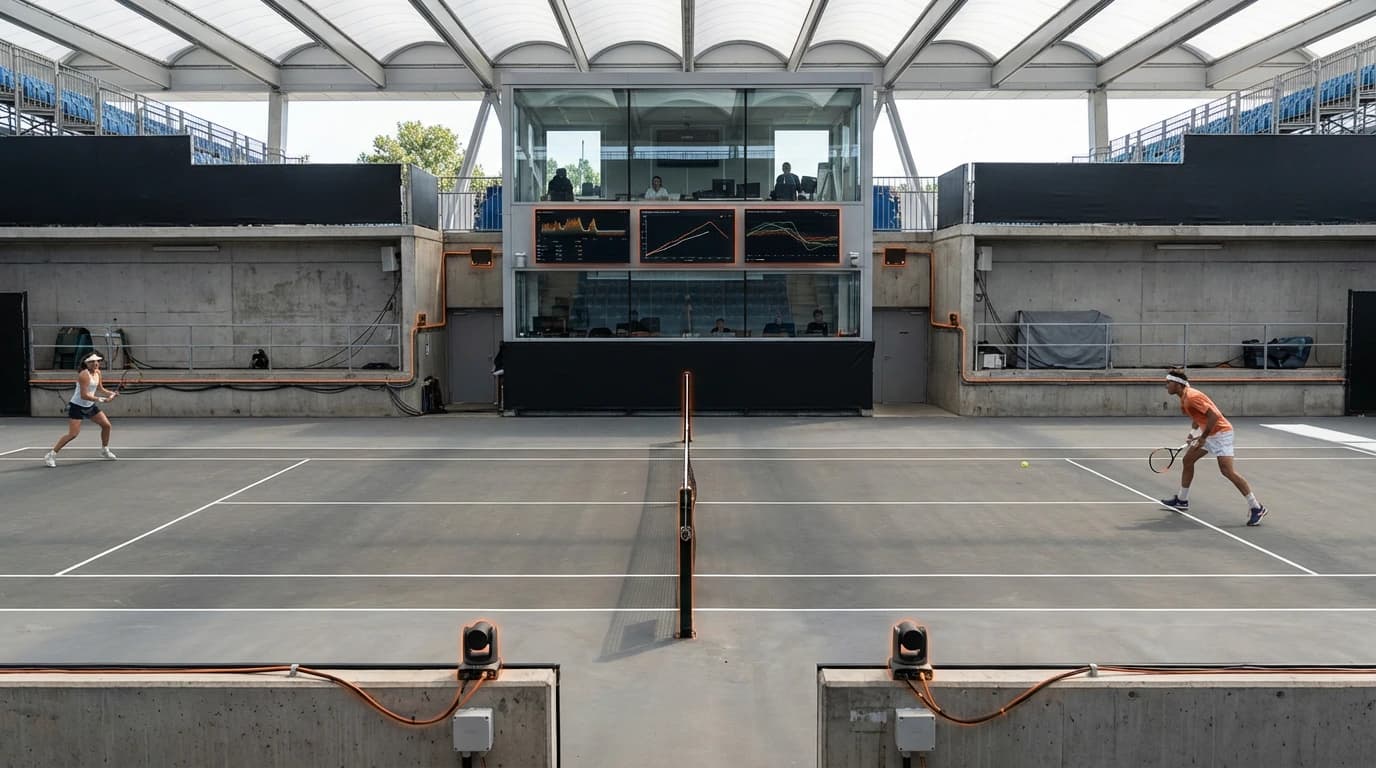
Computer vision officiating represents a fundamental shift in how competitive sports are adjudicated, replacing traditional human judgment and expensive sensor arrays with sophisticated image analysis algorithms. The technology operates by processing multiple synchronized camera feeds—often standard 4K broadcast cameras already present at sporting venues—through machine learning models trained to detect specific events with sub-centimeter precision. These systems analyze ball trajectories, player positions, and contact points in real-time, typically processing frames at rates exceeding 100 frames per second. The underlying computer vision algorithms employ techniques such as edge detection, motion tracking, and predictive modeling to determine outcomes like whether a tennis ball landed in or out, whether a soccer ball crossed the goal line, or whether a basketball player's foot was on the three-point line. Unlike earlier systems that required specialized hardware installations—such as magnetic sensors embedded in court surfaces or high-speed cameras positioned at precise angles—modern computer vision officiating leverages existing infrastructure and commodity hardware, dramatically reducing both initial deployment costs and ongoing maintenance requirements.
The adoption of automated officiating addresses longstanding challenges in competitive sports, where human officials face the impossible task of making split-second judgments on events occurring at speeds that exceed human perceptual limits. Controversial calls have historically influenced match outcomes, tournament results, and even championship titles, creating friction between athletes, officials, and governing bodies. Computer vision systems eliminate these disputes by providing objective, repeatable measurements that can be reviewed and verified. This technology also solves practical problems for sports organizations operating under budget constraints, as traditional electronic line-calling systems often required investments exceeding hundreds of thousands of dollars per venue. By utilizing standard cameras and cloud-based processing, computer vision officiating becomes accessible to lower-tier competitions, collegiate programs, and regional tournaments that previously could not afford such technology. The system's ability to generate detailed analytics as a byproduct of officiating—tracking player movements, ball speeds, and tactical patterns—creates additional value for coaches, broadcasters, and performance analysts.
Professional tennis has emerged as an early adopter, with several tournaments implementing camera-based line-calling systems that have successfully replaced human line judges while maintaining accuracy standards demanded by elite competition. Similar deployments are expanding into soccer, where goal-line technology and offside detection systems are becoming standard at major venues, and basketball, where systems are being piloted to adjudicate three-point attempts and out-of-bounds calls. The technology aligns with broader trends toward data-driven sports management and the increasing integration of artificial intelligence into athletic competition. As processing capabilities improve and training datasets expand, these systems are expected to handle increasingly complex officiating tasks, potentially extending to subjective judgments currently reserved for human referees, such as assessing the severity of fouls or determining player intent. The trajectory suggests a future where computer vision officiating becomes ubiquitous across competitive sports, fundamentally altering the relationship between technology, human judgment, and athletic competition while making professional-grade officiating accessible at every level of play.
Related Organizations

The pioneer of ball-tracking technology in tennis, cricket, and football.


Sports data and technology company that owns Second Spectrum.

New entrant in optical tracking and officiating technology.

Professional baseball organization in North America.


Broadcast technology company known for the TRACAB system.

Leader in live video technology for broadcast and new media productions.

Manufacturer of 3D Doppler tracking radars for sports.
Supporting Evidence
Research this in Signals
Signals turns a topic into a sourced research record you can inspect and rerun. Your first scan is free, and this one starts with Computer Vision Officiating already loaded, so edit it or scan as is.