








Augmented Training Analytics
This page is a narrower case of it.
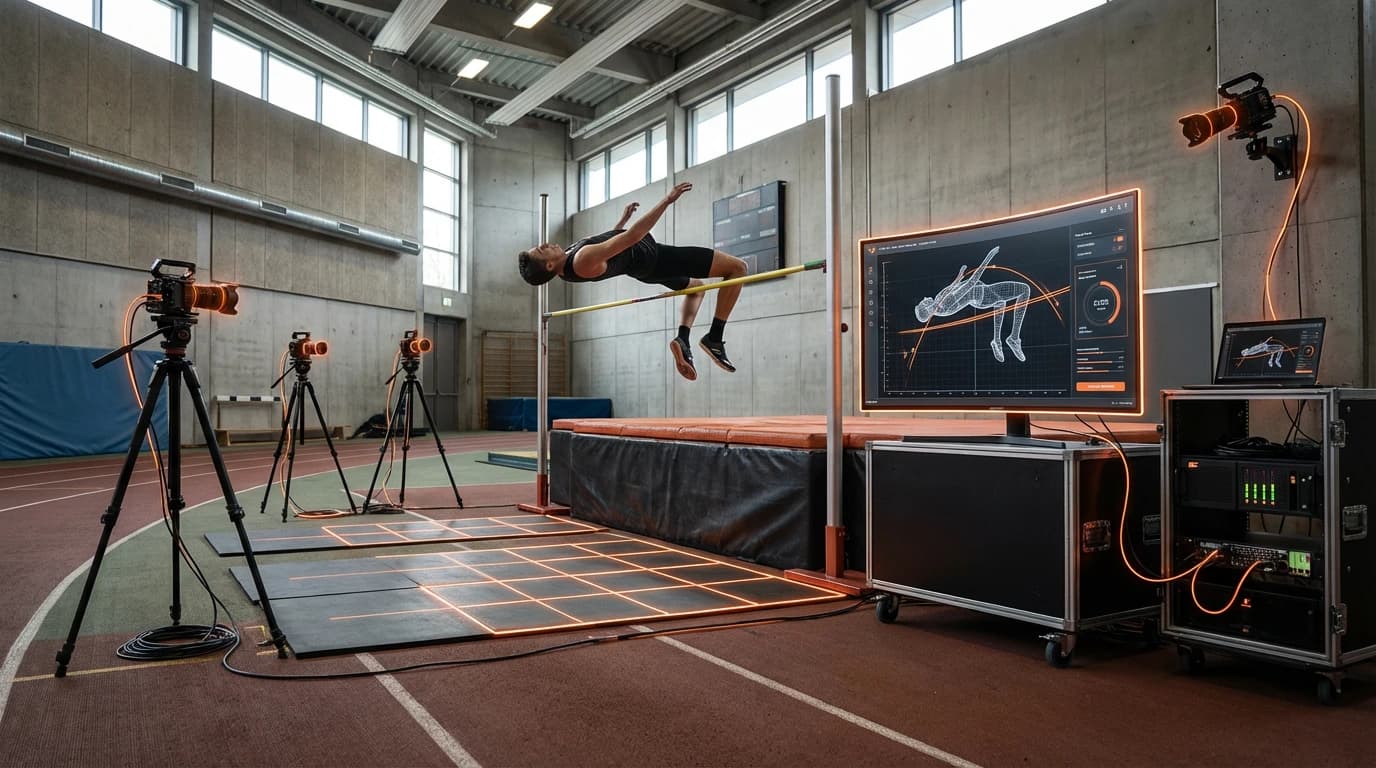
Real-time AI coaching represents a convergence of computer vision, machine learning, and biomechanical analysis to deliver instantaneous performance feedback during athletic training. These systems typically employ cameras, wearable sensors, or a combination of both to capture an athlete's movements, which are then processed through trained neural networks capable of recognizing proper form, identifying deviations from optimal technique, and detecting potential injury risks. The underlying technology relies on pose estimation algorithms that map key body points in three-dimensional space, comparing observed movements against databases of expert performance patterns. Advanced implementations can track subtle variations in joint angles, weight distribution, stride length, or swing mechanics with precision previously available only through expensive motion capture laboratories. The feedback loop operates in milliseconds, enabling corrections while muscle memory is still forming rather than after flawed patterns have been reinforced.
The democratization of expert coaching addresses a fundamental challenge in sports development: the scarcity and cost of qualified instruction. Traditional coaching models require significant financial investment and geographic proximity to training facilities, creating barriers that exclude talented athletes from underserved communities or those pursuing niche sports with limited coaching infrastructure. Real-time AI coaching systems overcome these limitations by packaging biomechanical expertise into accessible applications that function on smartphones, tablets, or dedicated training devices. This technology enables athletes to receive consistent, objective feedback during every practice session, eliminating the variability inherent in human observation and the limitations of coaches managing multiple athletes simultaneously. For amateur and youth sports programs operating with volunteer coaches or limited budgets, these systems provide a force multiplier that elevates training quality without proportional increases in cost. The technology also addresses the challenge of solo practice effectiveness, transforming unsupervised training time from potential reinforcement of bad habits into productive skill development.
Current deployments span recreational fitness applications, collegiate athletic programs, and professional team training facilities, with adoption accelerating as hardware costs decline and algorithm accuracy improves. Golfers use AI coaching apps that analyse swing mechanics through smartphone cameras, providing immediate feedback on club path, hip rotation, and weight transfer. Runners employ systems that monitor gait patterns and cadence, alerting them to form breakdowns that could lead to injury. Swimming programs integrate underwater camera systems with AI analysis to refine stroke technique in real-time. Early evidence suggests these tools are particularly effective for technical sports where precise movement patterns determine performance outcomes. The technology aligns with broader trends toward personalized training, data-driven performance optimization, and the integration of artificial intelligence into everyday athletic development. As sensor miniaturization continues and machine learning models become more sophisticated at understanding sport-specific nuances, real-time AI coaching is positioned to become a standard component of training across skill levels, fundamentally reshaping how athletes develop their craft outside traditional coaching relationships.
An AI tennis app that uses a single smartphone camera to track shots and provide real-time stats and line calling.
An interactive basketball training app that tracks shots and dribbling using mobile AR.
Sports analytics company providing portable tracking monitors for baseball and golf.
Provides AI-powered motion capture and biomechanics analysis using just two iPhones.
The pioneer of ball-tracking technology in tennis, cricket, and football.
Digital therapeutics company using computer vision on smartphones to provide real-time feedback on physical therapy exercises.
Published forecasts about this technology, graded against what happened in Hindsight.
Augmented Training Analytics
This page is a narrower case of it.
Signals turns a topic into a sourced research record you can inspect and rerun. Your first scan is free, and this one starts with Real-time AI Coaching already loaded, so edit it or scan as is.