







Virtual Trainers
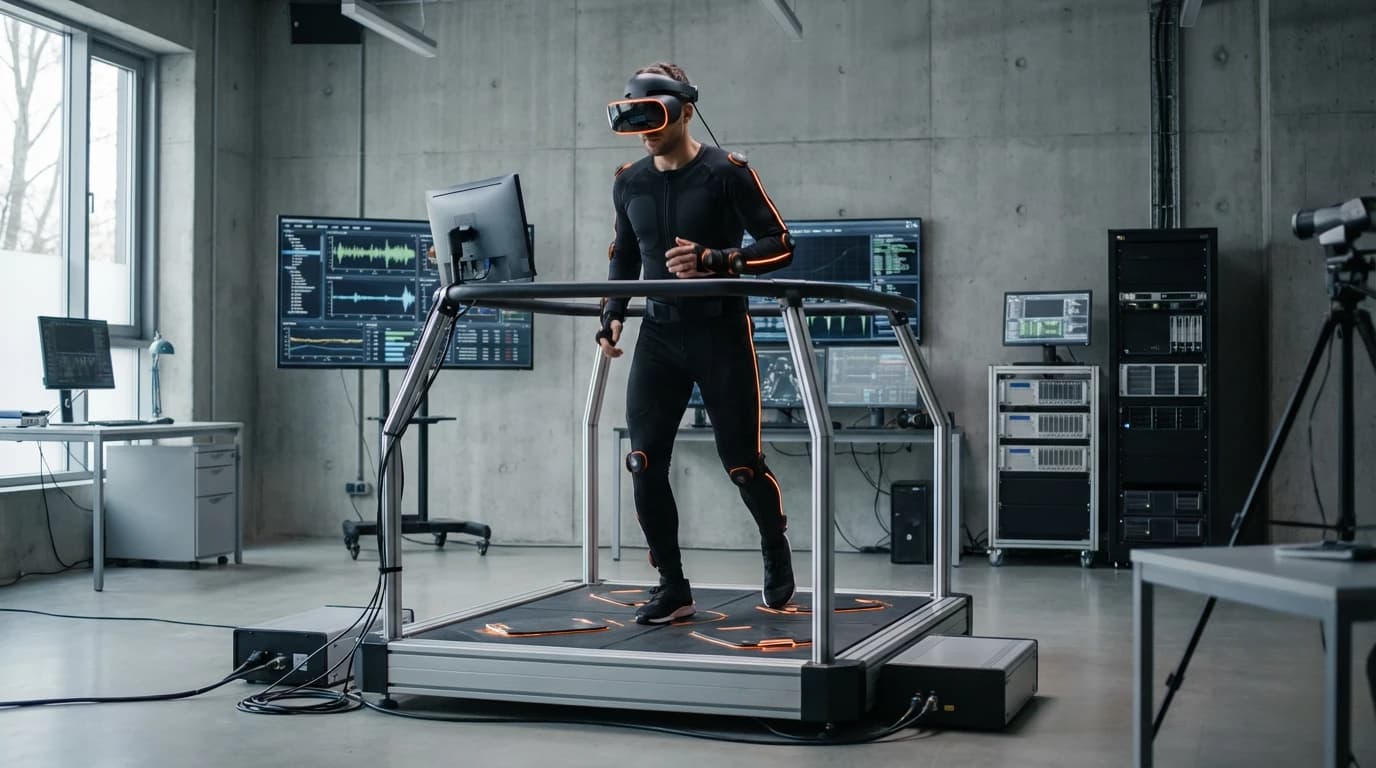
Immersive VR/AR Training
Virtual environments that simulate game scenarios for tactical training and decision-making practice
Virtual and Augmented Reality training systems represent a fundamental shift in how athletes develop cognitive skills and tactical awareness. These platforms create high-fidelity digital environments that replicate game scenarios with remarkable precision, allowing athletes to experience realistic competitive situations without the physical demands of traditional practice. The technology operates through head-mounted displays that track head and eye movements, spatial positioning systems that monitor body orientation, and sophisticated software that generates responsive virtual opponents and teammates. Advanced systems incorporate haptic feedback devices and motion capture to enhance the sense of presence, while machine learning algorithms adapt scenario difficulty based on athlete performance. The virtual environments can be paused, rewound, and analyzed frame-by-frame, providing immediate feedback on decision-making processes that would be impossible to capture during live play.
The sports industry has long grappled with the challenge of developing athletes' mental game without subjecting them to excessive physical strain and injury risk. Traditional film study and classroom instruction provide limited engagement, while full-contact practice sessions accumulate wear on the body over a season. Immersive VR/AR training addresses this gap by enabling unlimited repetitions of high-pressure scenarios in a controlled environment. Athletes can practice reading defensive formations, recognizing offensive patterns, and executing split-second tactical decisions thousands of times without physical contact. This technology proves particularly valuable for quarterbacks learning to read coverages, point guards developing court vision, or goalkeepers anticipating shot trajectories. The systems also democratize access to elite training methodologies, as athletes can face simulated versions of top-tier opponents regardless of their current competitive level or geographic location.
Professional sports organizations and collegiate programs have increasingly integrated these systems into regular training regimens, with early adopters reporting measurable improvements in reaction times and decision accuracy. Football teams use VR platforms to accelerate playbook learning for rookies, while basketball programs employ AR overlays during practice to visualize spacing and movement patterns in real-time. The technology has proven especially valuable during injury recovery, allowing athletes to maintain cognitive sharpness and tactical understanding while physically healing. Research in sports science suggests that the neural pathways developed through immersive simulation transfer effectively to real-world performance, as the brain processes virtual scenarios with similar intensity to actual competition. As the technology continues to evolve, integration with biometric monitoring and neurofeedback systems promises even more sophisticated training protocols. The trajectory points toward hybrid training environments where physical and virtual elements blend seamlessly, fundamentally transforming how athletes prepare for competition while extending careers through reduced physical stress.
TRL
8/9Deployed
Impact
4/5
Investment
4/5
Category
Applications
Related Organizations
Provides VR-based immersive learning platforms for enterprise, famously used by Walmart for employee training.
Developer
VR baseball training platform focused on pitch recognition and batting practice.
Developer
VR training and cognitive development platform for soccer (football).
Developer
VR training platform specifically for ice hockey (goalies and players) and tennis.
Developer
AI visualization engine that transforms real match data into 3D simulations (VR/AR).
Developer
Neuro-technology company using VR to measure and improve decision-making in sports.
Developer
Virtual reality brain training system designed to improve athletic focus and reaction speed.
Developer
Sports technology company combining player data and XR to create training and gaming experiences.
Developer
What was expected
Published forecasts about this technology, graded against what happened in Hindsight.
Supporting Evidence
Evidence data is not available for this technology yet.
Research this in Signals
Scan Immersive VR/AR Training for yourself.
Signals turns a topic into a sourced research record you can inspect and rerun. Your first scan is free, and this one starts with Immersive VR/AR Training already loaded, so edit it or scan as is.