Cross-Sport Talent Identification
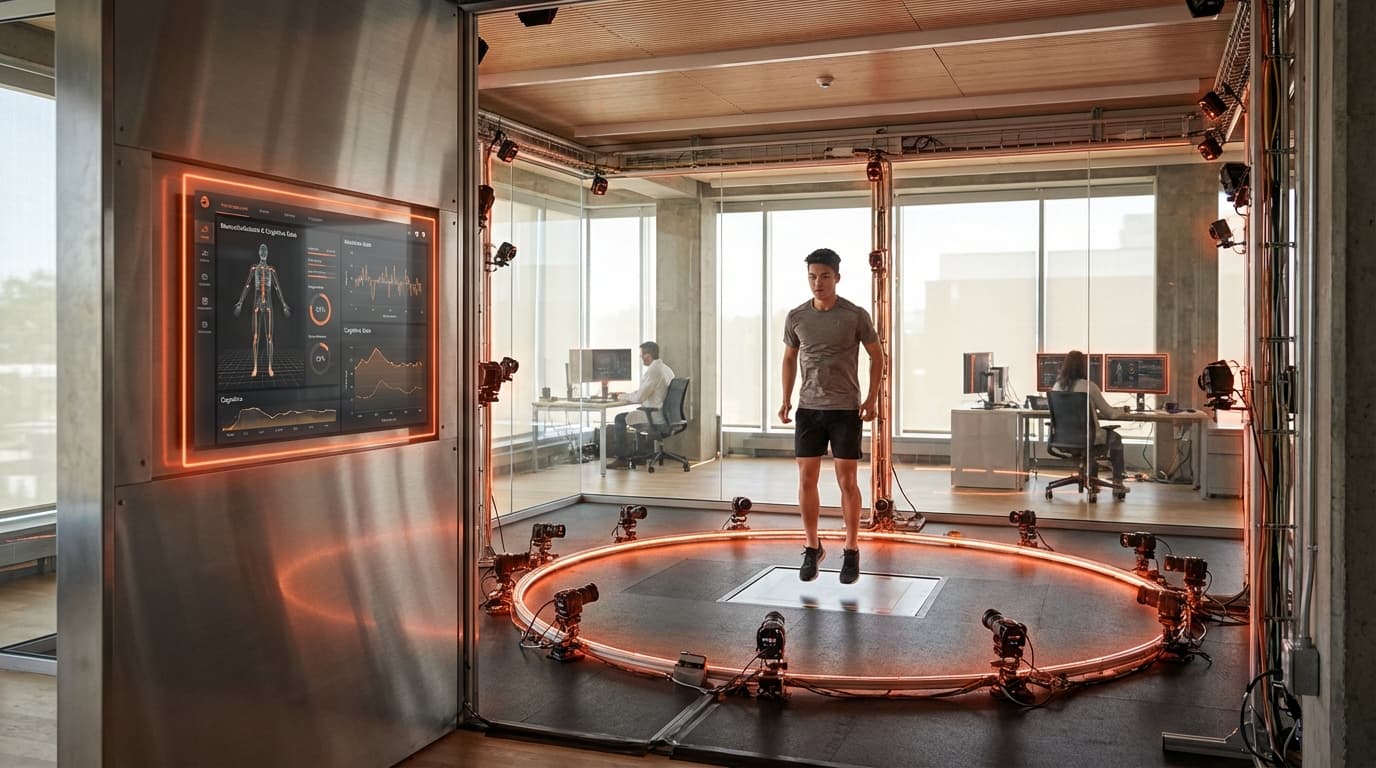
Cross-sport talent identification represents a paradigm shift in how athletic potential is discovered and developed, moving beyond the traditional single-sport scouting model to a more holistic, data-driven approach. These systems employ sophisticated analytics to create comprehensive athlete profiles that encompass anthropometric measurements (height, wingspan, body composition), biomechanical signatures (movement patterns, force production, joint angles), physiological capacities (VO2 max, lactate threshold, power output), and cognitive attributes (reaction time, spatial awareness, decision-making speed). By comparing these multidimensional profiles against extensive databases of elite performers across numerous sports, the technology identifies transferable athletic traits that may indicate success in disciplines the athlete has never formally pursued. The underlying mechanism relies on machine learning algorithms trained on decades of performance data, recognizing that certain physical and mental characteristics—such as exceptional hand-eye coordination, explosive power, or tactical processing speed—transcend individual sports and predict success across multiple athletic domains.
The traditional talent identification model faces significant limitations, particularly its tendency to overlook late developers, athletes from underrepresented communities, or individuals who simply haven't been exposed to the sport best suited to their natural abilities. This narrow approach results in wasted potential and perpetuates inequities in sports access and opportunity. Cross-sport talent identification addresses these challenges by democratizing the discovery process, enabling coaches and sports organizations to identify promising athletes regardless of their current sport participation or socioeconomic background. The technology proves particularly valuable in addressing the "relative age effect," where athletes born earlier in selection years receive disproportionate opportunities, and in identifying athletes whose physical development trajectories may not align with traditional early-specialization models. By revealing hidden potential and suggesting alternative pathways, these systems help optimize the match between athlete capabilities and sport demands, potentially reducing injury rates associated with poor sport-athlete fit while maximizing long-term performance outcomes.
Several national sports institutes and professional organizations have begun piloting cross-sport talent identification programs, particularly in countries with centralized athletic development systems. These early implementations suggest promising applications across youth sports academies, where young athletes can be guided toward sports that align with their natural strengths before committing to intensive specialization. The technology also shows potential in career transition planning for professional athletes, helping identify viable alternative sports as primary careers wind down or after career-ending injuries. Research indicates that athletes identified through cross-sport profiling demonstrate higher retention rates and faster skill acquisition in their recommended sports compared to traditional recruitment methods. As sports organizations increasingly recognize the limitations of early specialization and the value of athletic diversity, cross-sport talent identification aligns with broader industry trends toward athlete-centered development models and evidence-based training methodologies. The continued refinement of these systems, combined with growing databases of athletic performance markers, positions cross-sport talent identification as an essential tool in the evolution toward more equitable, efficient, and scientifically grounded approaches to discovering and nurturing athletic excellence.
Related Organizations

High-performance sports training institution known for pioneering research in workload management and injury prevention.



Global leader in athlete analytics, providing both hardware sensors and a software platform (OpenField) that integrates video and biometric data.

The world's largest sports education and performance training institution.

Sports intelligence platform consolidating medical, performance, and coaching data.
Physiological analytics company (acquired by Garmin) providing the algorithms for recovery, training load, and readiness.

Bio-analytics company analyzing blood and biomarkers to optimize performance.

AI platform analyzing athlete data to forecast injury risk and optimal workload.
Supporting Evidence
Research this in Signals
Signals turns a topic into a sourced research record you can inspect and rerun. Your first scan is free, and this one starts with Cross-Sport Talent Identification already loaded, so edit it or scan as is.