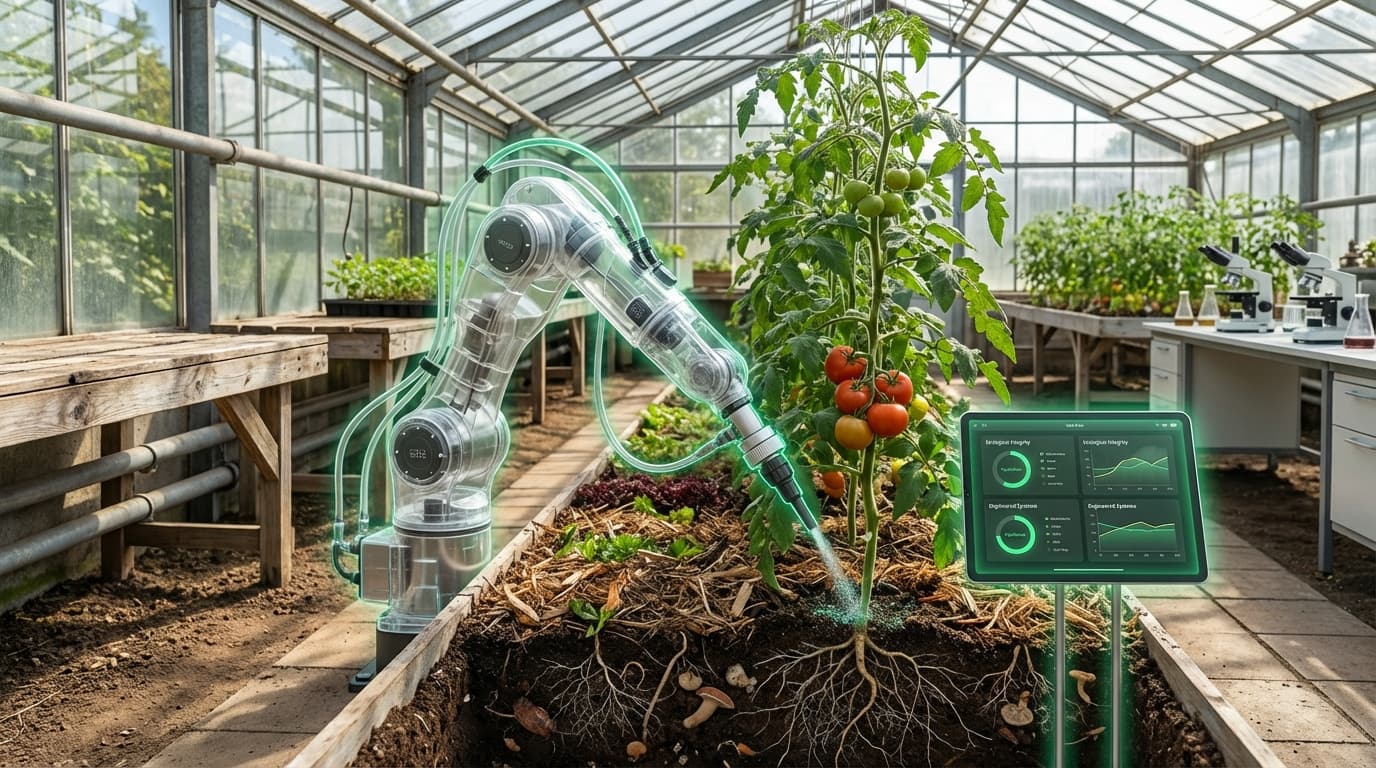
Ecological Integrity vs. Engineered Systems
The integration of engineered biological systems into agricultural environments presents a fundamental challenge: how to harness the precision and efficiency of synthetic biology while preserving the complex, self-regulating networks that define healthy soil ecosystems. Natural soil systems represent billions of years of evolutionary refinement, hosting intricate communities of bacteria, fungi, archaea, and other microorganisms that cycle nutrients, suppress pathogens, and support plant health through mechanisms we are only beginning to understand. Engineered microbes—designed to fix nitrogen more efficiently, produce specific metabolites, or enhance nutrient uptake—operate according to human-defined parameters that may not align with the emergent properties of these natural systems. The core technical challenge lies in predicting how synthetic organisms will behave once released from controlled laboratory conditions into the variable, competitive, and interconnected environment of living soil, where horizontal gene transfer, predation, and resource competition can alter their function or persistence in unexpected ways.
Agriculture faces mounting pressure to increase productivity while reducing chemical inputs, a challenge that has driven significant investment in microbial inoculants and biofertilizers. However, the introduction of engineered organisms raises concerns about unintended ecological consequences, including the potential displacement of native microbial populations, the transfer of engineered genes to wild relatives, or the disruption of nutrient cycling processes that depend on microbial diversity. These risks are particularly acute in regenerative agriculture systems, which explicitly aim to rebuild soil health through practices that enhance biological activity and ecosystem complexity. The tension between these approaches has prompted the development of containment strategies, including genetic kill switches, metabolic dependencies, and careful selection of chassis organisms with limited environmental persistence. Industry researchers and regulatory bodies increasingly recognize that the success of engineered agricultural microbes depends not only on their designed function but on their compatibility with the broader ecological context in which they operate.
Current approaches to managing this tension emphasize long-term environmental monitoring, adaptive management frameworks, and the development of predictive models that can assess ecological risk before widespread deployment. Research programs are establishing baseline measurements of soil microbial communities in diverse agricultural settings, creating reference points against which the impacts of introduced organisms can be measured over seasons and years. Some pilot programs combine engineered microbes with regenerative practices such as cover cropping and reduced tillage, testing whether synthetic biology can complement rather than replace ecological approaches to soil health. The field is moving toward a more nuanced understanding that positions engineered systems not as replacements for natural processes but as carefully calibrated interventions within them—tools that might accelerate nutrient cycling in degraded soils or provide targeted support during critical growth phases while allowing native microbial communities to maintain their broader regulatory functions. As climate change and soil degradation intensify, this balanced approach may prove essential to developing agricultural systems that are both productive and ecologically resilient, though the long-term outcomes of these interventions remain an active area of scientific inquiry and public debate.
Related Organizations

An agricultural tech company producing microbial nitrogen fertilizers.

A nonprofit research institution that pioneered the concept of regenerative organic agriculture.

Monitors the impact of emerging technologies and corporate consolidation on biodiversity and human rights.

A horizontal platform for cell programming that enables other companies to develop precision fermentation strains.

Improves grower profitability and environmental sustainability using microbiology and digital technologies.

A biotech startup using beneficial microbes to permanently remove CO2 from the atmosphere via crop roots.

Creator of BeCrop technology, which analyzes soil biology to assess health and functionality.

Develops a super-charged microbe fertilizer that boosts nitrogen fixation and prevents runoff.

Develops microbial seed coatings that increase soil carbon sequestration in cropping systems.

Provides comprehensive soil microbiome analysis using DNA sequencing to identify pathogens and beneficial microbes.
Supporting Evidence
Research this in Signals
Signals turns a topic into a sourced research record you can inspect and rerun. Your first scan is free, and this one starts with Ecological Integrity vs. Engineered Systems already loaded, so edit it or scan as is.