







CRISPR Crops
This page is a narrower case of it.
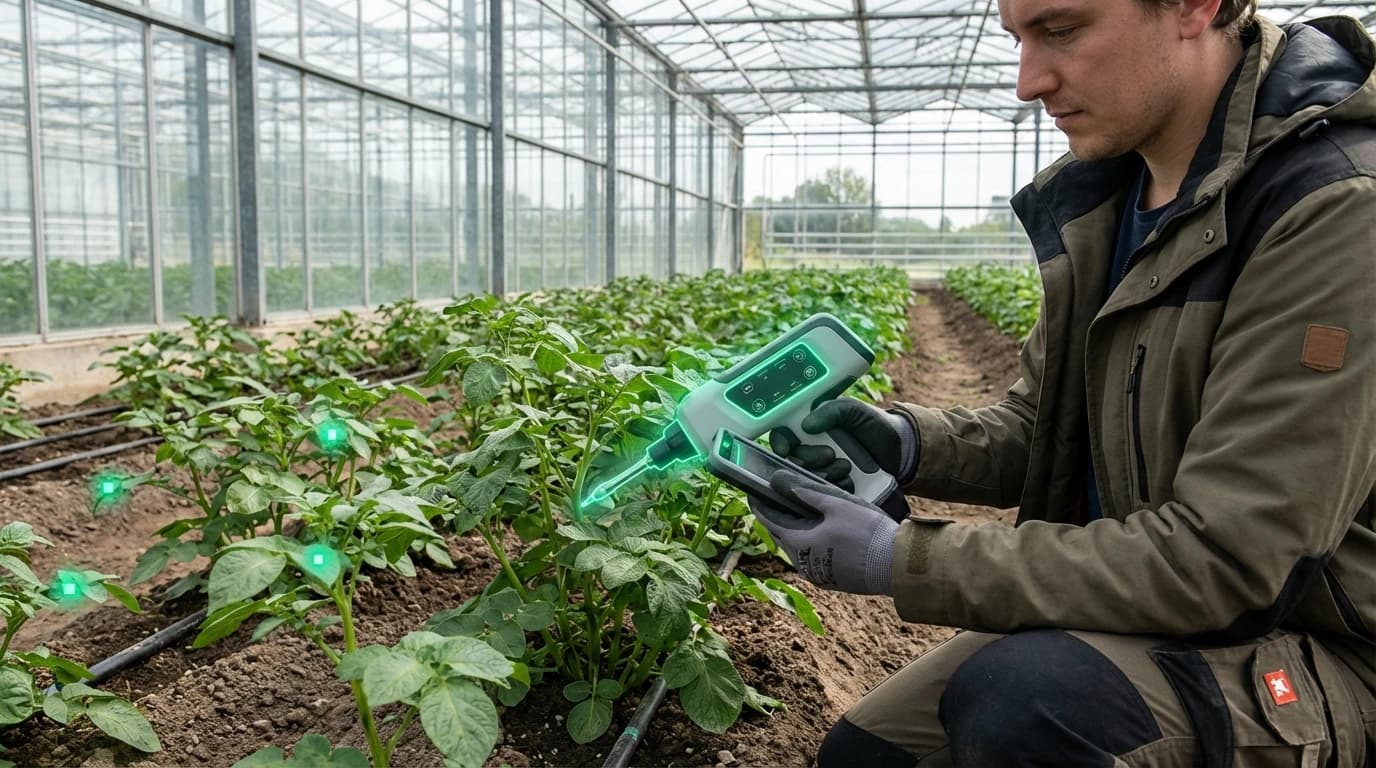
CRISPR-mediated viral resistance represents a transformative application of gene-editing technology to agriculture, fundamentally altering how crops defend themselves against viral pathogens. The approach leverages the CRISPR-Cas system—originally discovered as a bacterial immune mechanism—to create targeted resistance in plants. Scientists design guide RNAs that direct Cas enzymes to recognize and cleave specific viral DNA sequences, effectively neutralizing the pathogen before it can replicate and spread throughout the plant. Unlike traditional breeding methods that rely on naturally occurring resistance genes, this technology allows researchers to engineer precise, programmable defenses against viruses that have historically devastated crops. The edited plants inherit this resistance, passing the protective mechanism to subsequent generations without the need for repeated interventions. The system can be designed to target multiple viral strains simultaneously, offering broad-spectrum protection that adapts as new pathogen variants emerge.
Agricultural losses from plant viruses represent a critical threat to global food security, particularly for staple crops in developing regions where smallholder farmers lack access to expensive chemical treatments or resistant varieties. Cassava mosaic virus, for instance, can reduce yields by up to 90 percent in affected regions of sub-Saharan Africa, where cassava serves as a primary calorie source for millions. Similarly, cacao swollen shoot virus threatens chocolate production across West Africa, jeopardizing both food supplies and economic livelihoods. Traditional approaches to viral resistance—such as breeding programs or transgenic methods—often require decades of development and may not keep pace with rapidly evolving pathogens. CRISPR-mediated resistance dramatically accelerates this timeline, enabling researchers to develop and deploy resistant varieties within years rather than decades. This technology also addresses the challenge of viruses that have no known natural resistance genes, opening possibilities for protecting crops that were previously considered vulnerable.
Research institutions and agricultural organizations have begun field trials of CRISPR-edited crops with viral resistance, though widespread commercial deployment remains limited by regulatory frameworks that vary significantly across regions. Early trials with cassava plants engineered to resist mosaic virus have shown promising results in controlled environments, with researchers now progressing toward multi-location field testing. The technology aligns with broader trends in precision agriculture and climate adaptation, as viral pressures often intensify under changing environmental conditions that stress plants and favor pathogen transmission. As regulatory pathways for gene-edited crops continue to evolve—with some jurisdictions treating CRISPR modifications differently from traditional transgenic approaches—the potential for this technology to safeguard critical food crops becomes increasingly viable. The ability to rapidly respond to emerging viral threats positions CRISPR-mediated resistance as a crucial tool in building more resilient agricultural systems capable of feeding growing populations amid environmental uncertainty.
Non-profit organization dedicated to discovering and advancing genes for durable disease resistance in crops.
Major agricultural chemical and seed company holding significant CRISPR-Cas9 intellectual property for crop improvement.
A partnership between UC Berkeley and UCSF focused on advancing CRISPR technology.
Uses gene editing and advanced breeding tools to improve tropical crops like banana and coffee.
Developed SmartStax PRO, the first corn product with RNAi-based rootworm control.
Major independent research institute working on virus-resistant sweet potato and cassava using gene editing.
Uses the SEEDesign platform to edit genes and modulate expression for higher yield and water use efficiency.
An agriculture technology company using CRISPR to develop new varieties of fruits and vegetables.
Published forecasts about this technology, graded against what happened in Hindsight.
CRISPR Crops
This page is a narrower case of it.
Signals turns a topic into a sourced research record you can inspect and rerun. Your first scan is free, and this one starts with CRISPR-Mediated Viral Resistance already loaded, so edit it or scan as is.