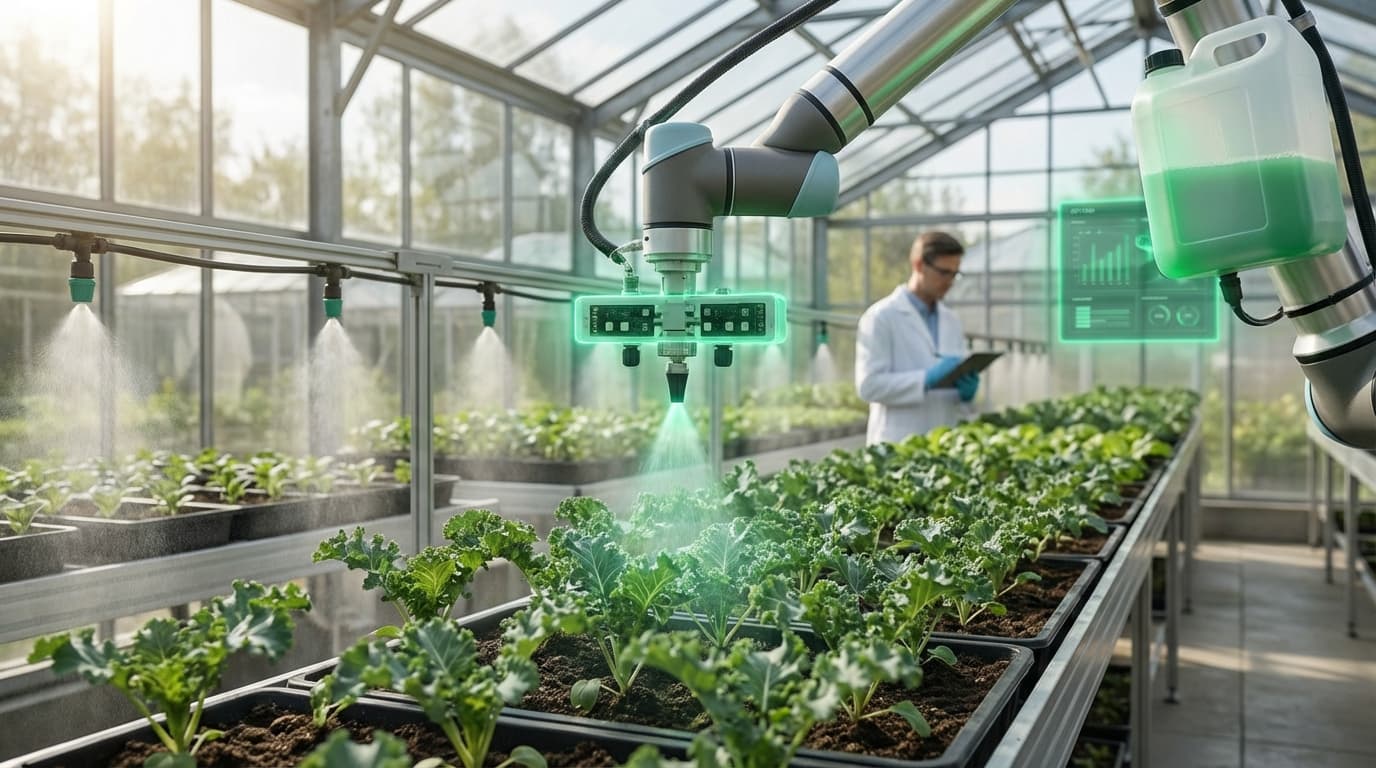
Biostimulants
Biostimulants represent a category of agricultural inputs that enhance plant growth, resilience, and productivity through biological rather than purely nutritional mechanisms. Unlike conventional fertilizers that primarily supply nutrients, biostimulants work by triggering natural physiological processes within plants, improving their ability to absorb and utilize existing nutrients while strengthening their defenses against environmental stresses. These formulations typically contain microbial consortia—carefully selected communities of beneficial bacteria and fungi—alongside bioactive compounds derived from seaweed, protein hydrolysates, humic substances, and other organic sources. The microbial components often include species like Bacillus, Trichoderma, and mycorrhizal fungi that colonize plant roots, enhancing nutrient solubilization and uptake while producing plant growth-promoting substances. Seaweed extracts, particularly from brown algae species, contain complex polysaccharides, phytohormones, and trace elements that stimulate root development and activate stress response pathways. The technical sophistication lies in formulating stable, viable consortia where multiple organisms work synergistically rather than competitively, maintaining their efficacy across diverse soil conditions and crop systems.
The agricultural sector faces mounting pressure to reduce synthetic chemical inputs while maintaining or increasing yields to feed a growing global population. Conventional farming's heavy reliance on synthetic fertilizers and pesticides has led to soil degradation, water pollution, and diminishing returns as crops develop dependencies and resistances. Biostimulants address these challenges by improving the efficiency of existing nutrient resources, reducing the need for chemical fertilizers by up to 20-30 percent in some applications while simultaneously enhancing crop tolerance to drought, salinity, and temperature extremes. This dual benefit becomes particularly valuable as climate variability intensifies and water resources become scarcer. The technology also supports regenerative agriculture practices by promoting soil health and microbial diversity, creating a positive feedback loop that improves long-term productivity. For growers, biostimulants offer a pathway to maintain competitiveness while meeting increasingly stringent environmental regulations and consumer demands for sustainably produced food.
Commercial adoption of biostimulants has accelerated significantly in recent years, with the global market experiencing double-digit annual growth as products move from niche applications to mainstream agriculture. Early deployments focused primarily on high-value crops like fruits, vegetables, and ornamentals where the cost-benefit ratio was most favorable, but formulations are now expanding into row crops including cereals and oilseeds. Farmers are applying these products through various methods—seed treatments, soil drenches, foliar sprays, and fertigation systems—often integrating them into existing agronomic programs rather than replacing conventional inputs entirely. Research from agricultural institutions continues to validate efficacy across diverse conditions, though results can vary based on soil type, crop variety, and environmental factors, highlighting the importance of proper application timing and dosing. The technology aligns with broader trends toward precision agriculture and biological solutions, as growers seek tools that work with natural systems rather than against them. As formulation science advances and production costs decline through improved fermentation and extraction techniques, biostimulants are positioned to become standard components of sustainable farming systems, contributing to the transition toward agriculture that rebuilds soil health while maintaining the productivity necessary for global food security.
Related Organizations

The world's largest independent manufacturer of marine plant extract biostimulants (Ascophyllum nodosum).
Valagro
Italy · Company
A global leader in the production and commercialization of biostimulants and specialty nutrients, now part of Syngenta.

Uses advanced microbial selection (AMS) to discover microbial consortia that improve plant traits and yield.

Global leader in producing organic fertilizers, beneficial microbials, and 100% vegetal-based biostimulants.

Global market leader in biological crop protection and natural pollination, with a growing portfolio of biostimulants.
Tradecorp International
Spain · Company
Part of Rovensa Group, specializing in micronutrients and specialty fertilizers, with a strong focus on biostimulants.

A subsidiary of Evogene, using computational biology to discover and develop microbiome-based ag-biologicals.

Biotech company developing signal molecule biostimulants to protect crops against abiotic stress (drought/heat).

Develops on-demand crop solutions using epigenetics to activate existing gene expression for stress resilience and nutrient efficiency.

An agricultural tech company producing microbial nitrogen fertilizers.
Supporting Evidence
Research this in Signals
Signals turns a topic into a sourced research record you can inspect and rerun. Your first scan is free, and this one starts with Biostimulants already loaded, so edit it or scan as is.