Soft Robotics and Bio-Inspired Grippers
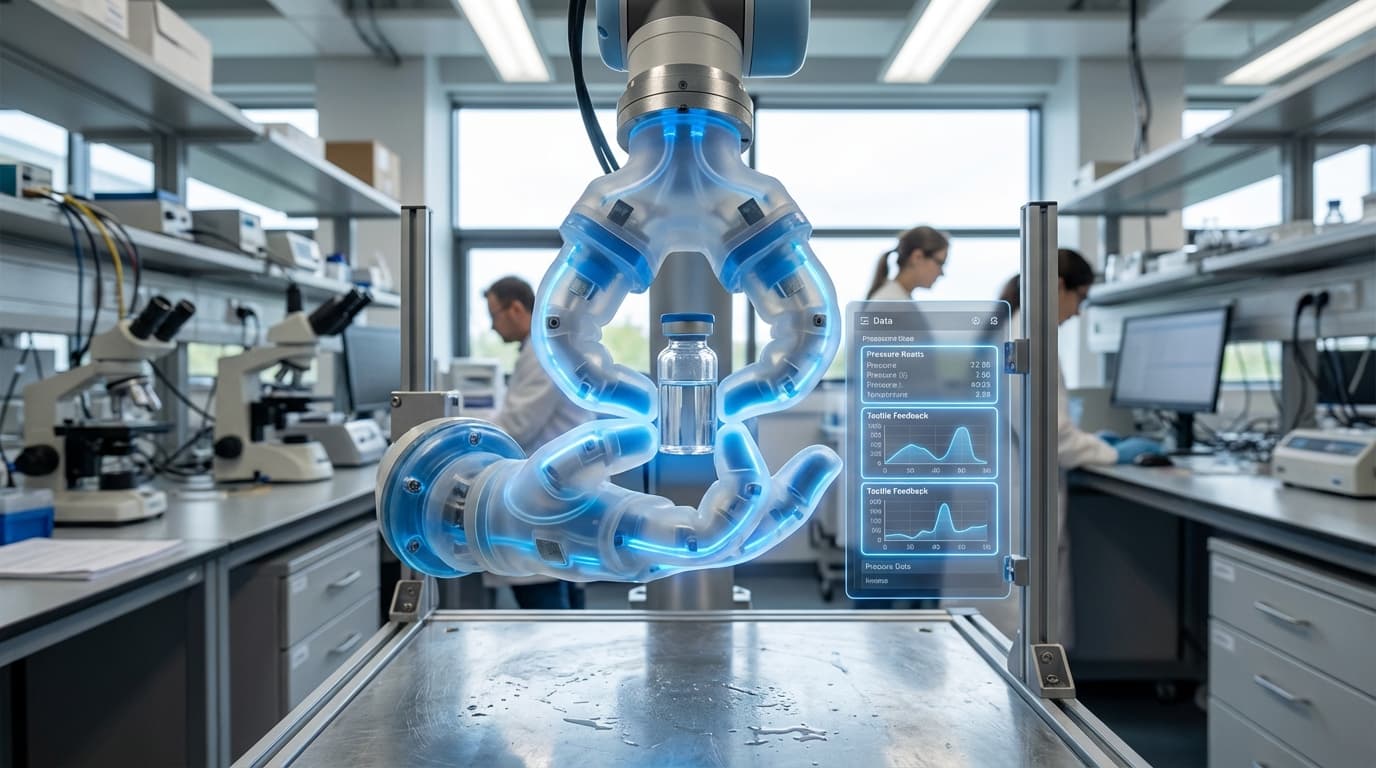
Traditional robotic grippers, built from rigid metals and hard plastics, have long struggled with a fundamental limitation: their inability to handle delicate, irregular, or easily damaged items without causing breakage or deformation. This challenge has kept entire segments of supply chain operations dependent on human workers, particularly in warehousing environments where products range from fragile electronics to soft textiles and fresh produce. Soft robotics addresses this gap by fundamentally reimagining the gripper itself, drawing inspiration from biological systems like octopus tentacles, elephant trunks, and human fingers. These systems employ flexible materials such as silicone elastomers, thermoplastic polyurethanes, and fabric-reinforced composites that can deform and conform to the shape of objects. The actuation mechanisms typically rely on pneumatic pressure, where compressed air inflates chambers within the gripper structure, or hydraulic fluids that flow through embedded channels, causing the soft material to bend, curl, or expand around items. Some advanced designs incorporate shape-memory alloys or electroactive polymers that respond to electrical stimuli, while others use granular jamming—where particles within a flexible membrane transition between fluid-like and solid states when vacuum pressure is applied.
The logistics and warehousing industries face mounting pressure to automate operations while simultaneously handling an increasingly diverse product mix driven by e-commerce growth. Soft robotic grippers enable automation in previously inaccessible applications, from picking individual grocery items for online orders to handling consumer electronics that would crack under traditional gripper pressure. Research indicates these systems can reduce product damage rates significantly compared to rigid alternatives, while also eliminating the need for custom tooling when product lines change. The technology addresses labor shortages in fulfillment centers by allowing robots to work alongside human pickers or operate autonomously in mixed-inventory environments. Beyond warehousing, soft grippers are finding applications in cold chain logistics, where they handle temperature-sensitive pharmaceuticals and fresh foods, and in returns processing, where items arrive in unpredictable orientations and conditions. The adaptability of these systems also supports the growing trend toward micro-fulfillment centers in urban areas, where space constraints demand versatile automation solutions that can handle multiple product categories without extensive reconfiguration.
Early commercial deployments have demonstrated the viability of soft robotic grippers in real-world logistics operations, with several automation providers now offering these systems as alternatives to traditional rigid grippers for specific use cases. Pilot programs in grocery fulfillment have shown particular promise, where the technology handles everything from delicate berries to irregularly shaped bakery items. The technology is also being integrated into collaborative robot systems that work directly alongside human workers, taking advantage of the inherent safety benefits of soft materials that pose minimal injury risk during accidental contact. As supply chains continue to fragment and consumer expectations drive demand for faster, more flexible fulfillment, soft robotics represents a critical enabler of next-generation warehouse automation. The convergence of this technology with advances in machine vision and artificial intelligence is creating systems that can not only grasp objects gently but also assess their condition and adjust grip strength dynamically, pointing toward a future where automated systems can match or exceed human dexterity in handling the full spectrum of products moving through modern supply chains.
Related Organizations

Develops soft compliant grippers for industrial food handling and logistics.

Industrial automation company known for its Bionic Learning Network, creating pneumatic artificial muscles and soft-robotic animals.

A premier research center for biologically inspired engineering, known for soft exosuits and microrobotics.

Manufacturer of end-of-arm tooling for collaborative applications, including the HEX 6-axis force/torque sensors.

A Chinese manufacturer specializing in soft robotic grippers for the food, 3C, and auto parts industries.

A brand of Wegard GmbH, producing modular, elastic grippers that are lightweight and adaptable for various industrial robots.

Develops electrically actuated soft grippers (Gentle) for handling fragile items without compressed air.

Lyro Robotics
Australia · Startup
Builds picking robots for agriculture and logistics using proprietary soft gripping technology.

A VR/AR hardware subsidiary of ByteDance producing the Pico 4 Enterprise with color passthrough capabilities.

Provides plug-and-play components for collaborative robots, including the FT 300 Force Torque Sensor.

R&D arm of Toyota Motor Corporation.

Global tire manufacturer developing 'Bridgestone Mobility Solutions' and Webfleet for connected tire management.
Supporting Evidence
Research this in Signals
Signals turns a topic into a sourced research record you can inspect and rerun. Your first scan is free, and this one starts with Soft Robotics and Bio-Inspired Grippers already loaded, so edit it or scan as is.