Humanitarian Logistics and Disaster Response AI
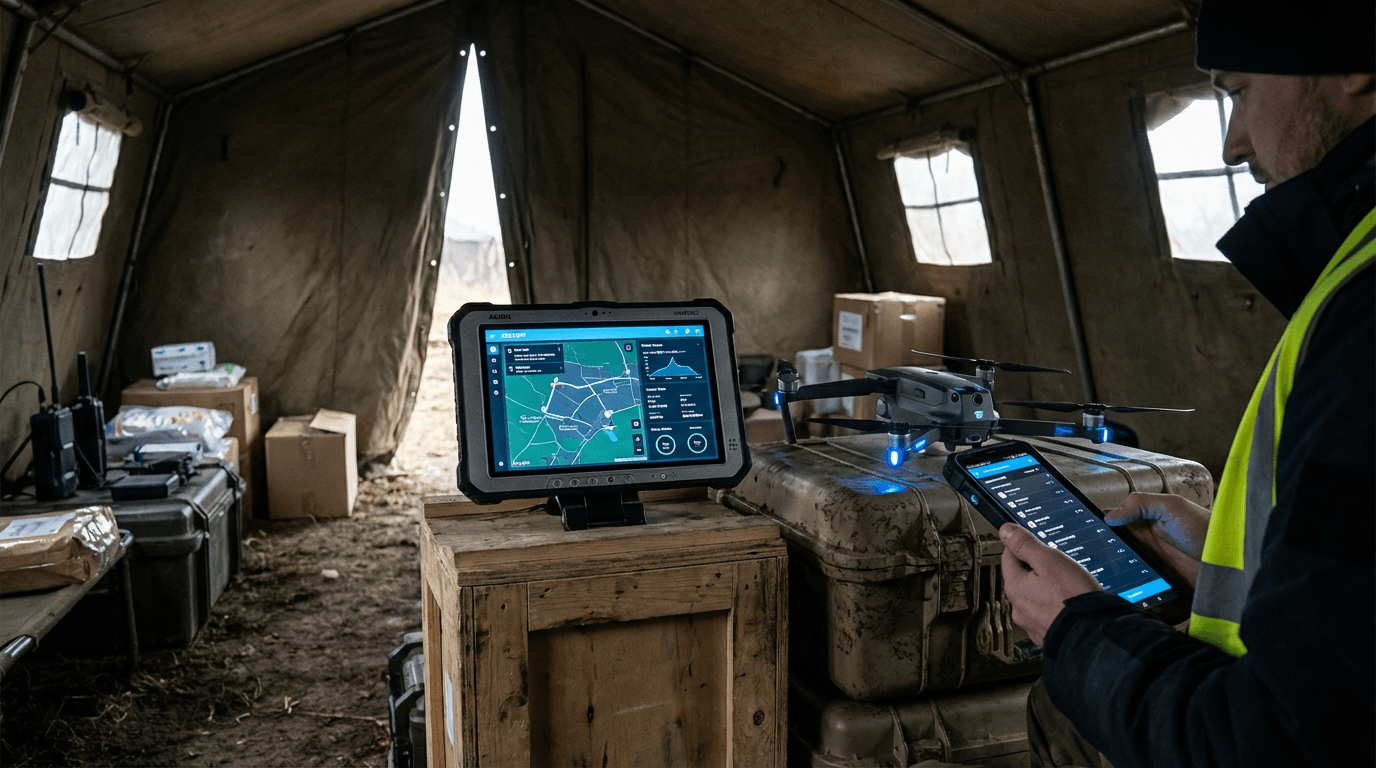
Humanitarian logistics and disaster response AI represents a critical advancement in emergency management technology, leveraging artificial intelligence to coordinate and optimize the delivery of life-saving supplies in the chaotic aftermath of natural disasters, conflicts, and humanitarian crises. These systems integrate multiple data streams—including satellite imagery, mobile network activity patterns, weather forecasts, and ground reports—to create dynamic, real-time assessments of affected areas. Machine learning algorithms process this information to identify accessible routes, functioning infrastructure, and population concentrations, even when traditional communication networks have been severely compromised. The technology employs predictive modeling to anticipate evolving needs based on disaster type, affected population demographics, and historical response data, enabling proactive rather than reactive supply positioning. By continuously updating their assessments as new information becomes available, these AI systems can adapt to rapidly changing conditions on the ground, rerouting shipments around newly damaged roads or redirecting resources to areas where needs have intensified.
The fundamental challenge these systems address is the breakdown of normal supply chain operations during emergencies, when infrastructure damage, communication failures, and resource scarcity create unprecedented logistical complexity. Traditional humanitarian response often suffers from coordination gaps between multiple responding organizations, inefficient resource allocation due to incomplete information, and delays in reaching the most vulnerable populations. AI-driven platforms solve these problems by providing a unified operational picture that all stakeholders—international NGOs, local governments, military units, and private sector partners—can access and contribute to. This shared awareness reduces duplication of effort, prevents critical gaps in coverage, and ensures that scarce resources reach those in greatest need. The technology also enables more sophisticated prioritization algorithms that account for factors beyond simple proximity, considering vulnerability indicators such as the presence of elderly populations, medical facilities, or areas with limited access to clean water. Furthermore, these systems can optimize the mix of transportation modes—combining air drops, ground convoys, and even drone deliveries—to maximize coverage while working within severe logistical constraints.
Early deployments of humanitarian logistics AI have demonstrated promising results in recent disaster responses, with research organizations and major humanitarian agencies increasingly incorporating these tools into their operational frameworks. The technology has been tested in scenarios ranging from earthquake response to refugee crisis management, where it has helped coordinate the movement of thousands of tons of supplies across compromised transportation networks. Industry analysts note that the integration of AI into humanitarian logistics represents a significant evolution in disaster response capabilities, particularly as climate change is expected to increase both the frequency and severity of natural disasters requiring large-scale relief operations. The convergence of this technology with advances in autonomous vehicles, drone delivery systems, and Internet of Things sensors suggests a future where humanitarian response becomes increasingly automated and efficient, potentially reducing response times from days to hours and saving countless lives in the critical window following a disaster.
Related Organizations

The world's largest humanitarian organization, focused on hunger and food security.

Operates the world's largest autonomous drone delivery network, specializing in medical supplies and e-commerce delivery.

Data-powered insurer for essential supply chains, utilizing IoT sensors for claims.


Rapid-response humanitarian relief organization that links airlines with NGOs.

Global logistics company heavily deploying analytics for warehouse optimization and transport planning.

Non-profit that manufactures humanitarian supplies locally in disaster zones.

International team dedicated to humanitarian action and community development through open mapping.

Software platform for real-time matching of humanitarian needs and resources.

Technology leader in the development of open-source software for information collection, visualization, and interactive mapping.
Supporting Evidence
Research this in Signals
Signals turns a topic into a sourced research record you can inspect and rerun. Your first scan is free, and this one starts with Humanitarian Logistics and Disaster Response AI already loaded, so edit it or scan as is.