Logistics Control Tower Platforms
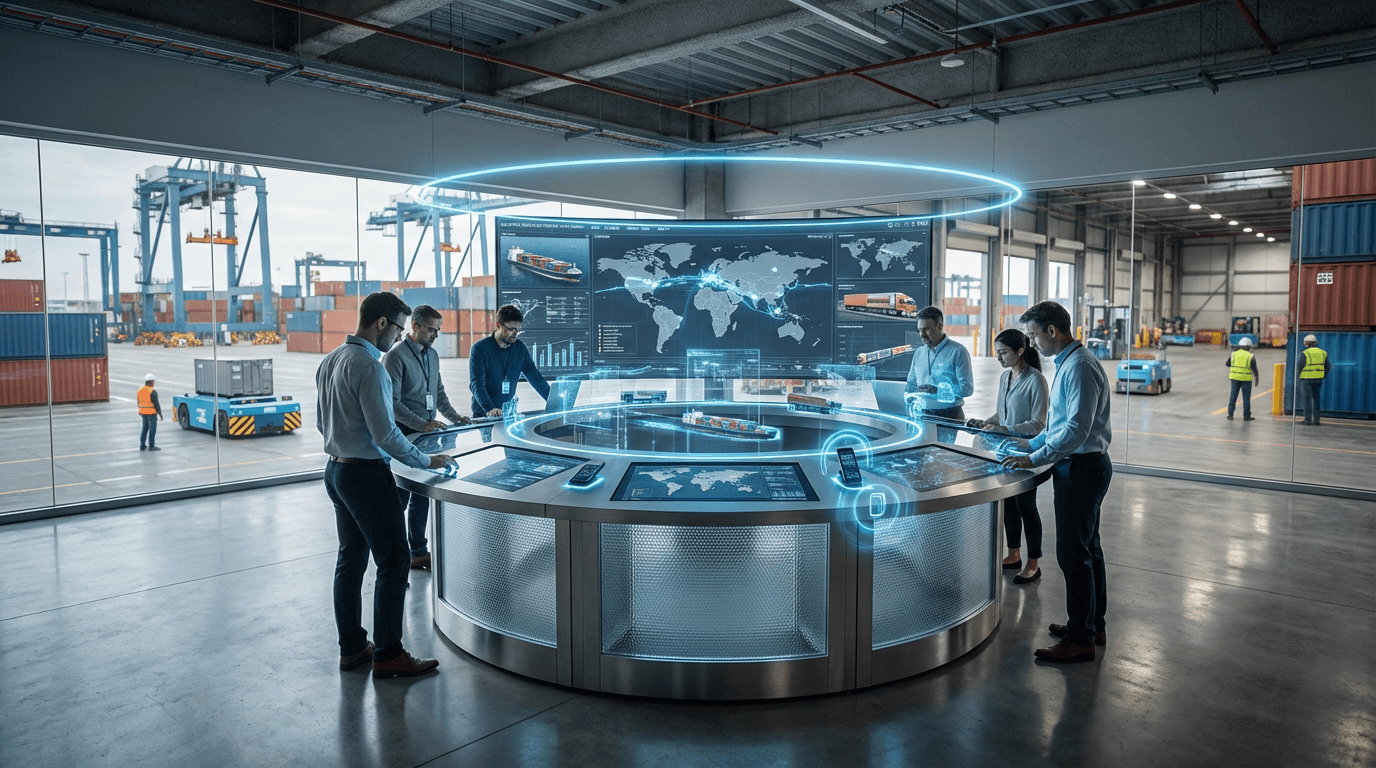
In the increasingly complex landscape of global supply chains, organizations face mounting challenges in maintaining visibility and control over goods moving across multiple carriers, modes of transport, and geographic regions. Traditional logistics management systems often operate in silos, with fragmented data sources creating blind spots that lead to delayed shipments, inefficient resource allocation, and reactive rather than proactive decision-making. Logistics Control Tower Platforms emerge as a comprehensive solution to these challenges by serving as centralized command centers that orchestrate and monitor the entire supply chain ecosystem. These platforms function by aggregating real-time data streams from diverse sources including transportation management systems, enterprise resource planning software, warehouse management systems, carrier tracking interfaces, port authorities, and an expanding network of Internet of Things sensors embedded in containers, vehicles, and warehouses. Through advanced data integration architectures and application programming interfaces, control towers normalize this heterogeneous information into unified dashboards that provide stakeholders with a single, coherent view of their logistics operations spanning continents and supply chain tiers.
The transformative power of control tower platforms lies in their ability to shift logistics management from reactive firefighting to proactive orchestration. By applying machine learning algorithms to historical shipping patterns, weather data, traffic conditions, and geopolitical factors, these systems generate predictive estimated times of arrival that are significantly more accurate than traditional carrier-provided estimates. When potential disruptions are detected—whether from port congestion, severe weather events, customs delays, or carrier capacity constraints—the platform automatically triggers risk alerts and routes them to appropriate stakeholders with recommended mitigation actions. This exception-based management approach allows logistics teams to focus their attention where it matters most, rather than manually tracking thousands of shipments. The collaborative workflow capabilities enable cross-functional teams and external partners to communicate within a shared operational context, accelerating resolution times for issues that would otherwise cascade into costly delays. For industries operating on just-in-time principles or managing perishable goods, this enhanced visibility and responsiveness directly translates to reduced inventory carrying costs, fewer stockouts, and improved customer satisfaction.
Major logistics providers and enterprise shippers have increasingly adopted control tower platforms as essential infrastructure for managing supply chain complexity, with implementations ranging from regional distribution networks to truly global operations spanning dozens of countries. The technology has proven particularly valuable during periods of supply chain volatility, where the ability to rapidly identify alternative routing options or reallocate inventory can mean the difference between meeting customer commitments and significant revenue loss. As supply chains continue to extend across longer distances and incorporate more partners, and as customer expectations for delivery precision intensify, control tower platforms are evolving to incorporate additional capabilities such as carbon footprint tracking, autonomous decision-making for routine exceptions, and integration with blockchain networks for enhanced shipment authentication. This trajectory positions control towers not merely as monitoring tools but as intelligent orchestration layers that will increasingly automate the complex choreography of global logistics, making supply chains more resilient, sustainable, and responsive to the dynamic conditions of international commerce.
Related Organizations

Real-time supply chain visibility platform that uses predictive analytics to track shipments across modes.

Provides an advanced visibility platform for shippers and logistics service providers, connecting data across the supply chain.

Owned by Panasonic, their Luminate platform offers a digital twin of the supply chain for real-time visibility and prediction.

A networked supply chain platform offering end-to-end visibility and control tower capabilities.

Supply chain planning software (RapidResponse) that provides concurrent planning via the cloud.

Provides a multi-party digital network platform that enables autonomous supply chain management.

European leader in real-time transportation visibility, helping shippers track deliveries and predict ETAs.

Offers a multimodal supply chain orchestration platform with strong roots in intermodal rail and ocean freight.

Global logistics company heavily deploying analytics for warehouse optimization and transport planning.
Global logistics giant involved in ALICE and various collaborative logistics initiatives aligned with PI principles.
Supporting Evidence
Research this in Signals
Signals turns a topic into a sourced research record you can inspect and rerun. Your first scan is free, and this one starts with Logistics Control Tower Platforms already loaded, so edit it or scan as is.