Trade Finance Digitalization Platforms
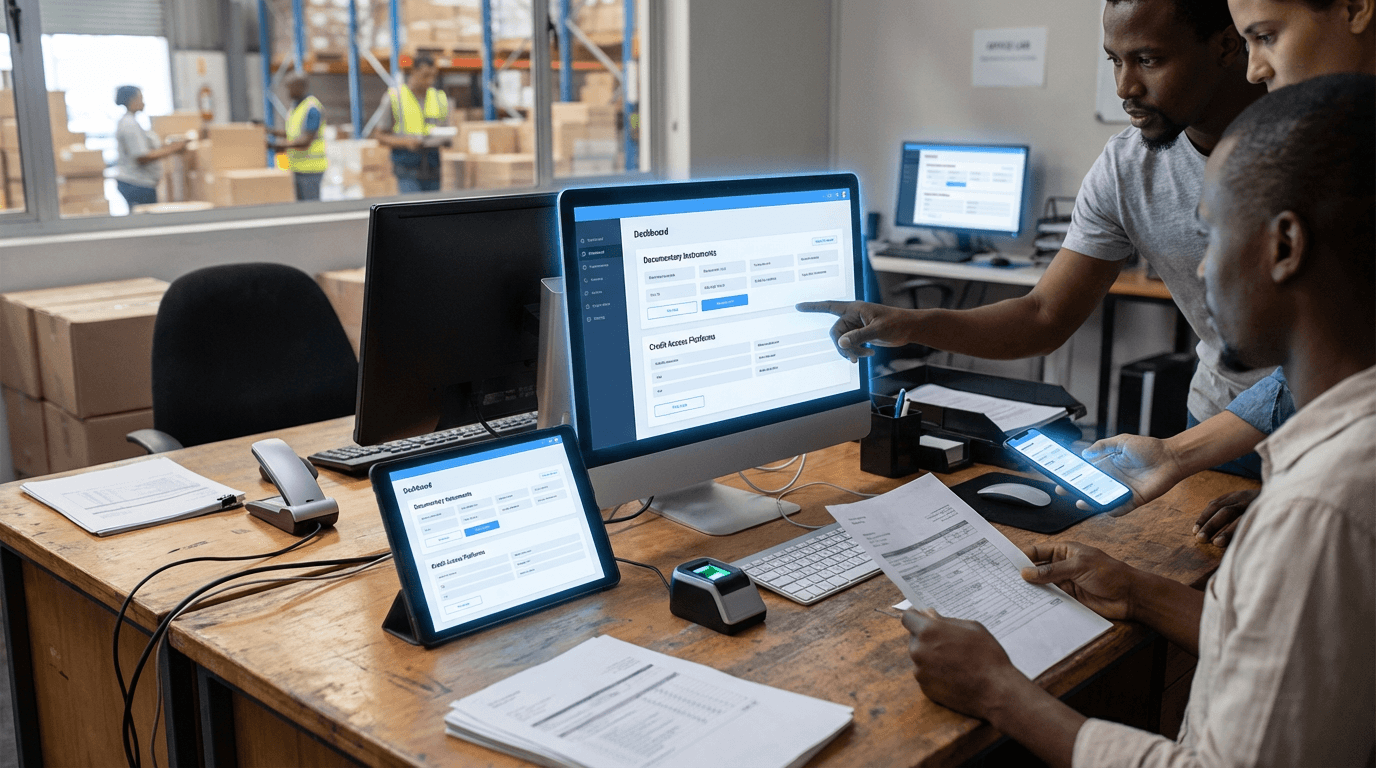
Trade finance digitalization platforms represent a fundamental shift in how international commerce is conducted, particularly for small and medium-sized enterprises in emerging markets. Traditional trade finance has long relied on paper-based processes involving multiple intermediaries, physical document transfers, and manual verification procedures that can take weeks to complete. These platforms transform this antiquated system by creating digital ecosystems where letters of credit, bills of lading, insurance certificates, and other trade documents exist as secure electronic records. The underlying architecture typically combines distributed ledger technologies with machine learning algorithms that can verify document authenticity, assess creditworthiness, and flag potential discrepancies in real-time. By digitizing these instruments, the platforms create immutable audit trails and enable automated compliance checks against international trade regulations, significantly reducing the administrative burden that has historically excluded smaller businesses from global supply chains.
The core problem these platforms address is the persistent trade finance gap that disproportionately affects businesses in developing economies. Banks and financial institutions have traditionally been reluctant to extend trade credit to SMEs due to perceived risks, lack of credit history, and the high cost of processing relatively small transactions through conventional channels. This creates a vicious cycle where promising businesses cannot access the working capital needed to fulfill international orders, even when they have confirmed buyers. Digital trade finance platforms break this cycle by providing transparent, verifiable transaction data that reduces information asymmetry between lenders and borrowers. The integration of artificial intelligence enables more nuanced risk assessment models that look beyond traditional credit scores, considering factors such as shipment history, buyer reputation, and real-time logistics data. This democratization of trade finance opens new markets for exporters and importers who were previously locked out of global commerce.
Early implementations of these platforms have emerged across multiple continents, with particular concentration in regions where traditional banking infrastructure is limited but mobile connectivity is widespread. Several initiatives are working to establish interoperability standards that would allow different platforms to communicate seamlessly, creating a truly global digital trade network. The technology is particularly transformative in sectors like agriculture and textiles, where producers in emerging markets can now secure financing against confirmed purchase orders from international buyers. Industry observers note that as these platforms mature and gain regulatory acceptance, they could fundamentally reshape global trade patterns by enabling direct connections between previously isolated markets. The trajectory suggests a future where trade finance becomes increasingly automated, accessible, and integrated with broader supply chain management systems, potentially unlocking significant economic growth in regions that have historically been marginalized in international commerce.
Related Organizations

A fintech company providing digital trade financing solutions to small and medium-sized businesses engaged in cross-border trade.
A software development company offering a digital network for the commodities trade finance industry.

A digital financing platform enabling growth for international SMEs by providing invoice financing and trade credit.

A pioneer in the digitization of global trade documents, specifically electronic Bills of Lading (eBL).


The world's largest working capital marketplace, allowing suppliers to receive early payment from their enterprise customers.

India's largest supply chain finance platform, connecting corporates and their supply chains to financial institutions.

A global invoice exchange platform that connects exporters and importers with institutional investors.

A global network for illiquid assets, including trade finance and supply chain finance digitization.

A provider of working capital management solutions, acquired by SAP.
Supporting Evidence
Research this in Signals
Signals turns a topic into a sourced research record you can inspect and rerun. Your first scan is free, and this one starts with Trade Finance Digitalization Platforms already loaded, so edit it or scan as is.