High-Capacity Electrolyzers
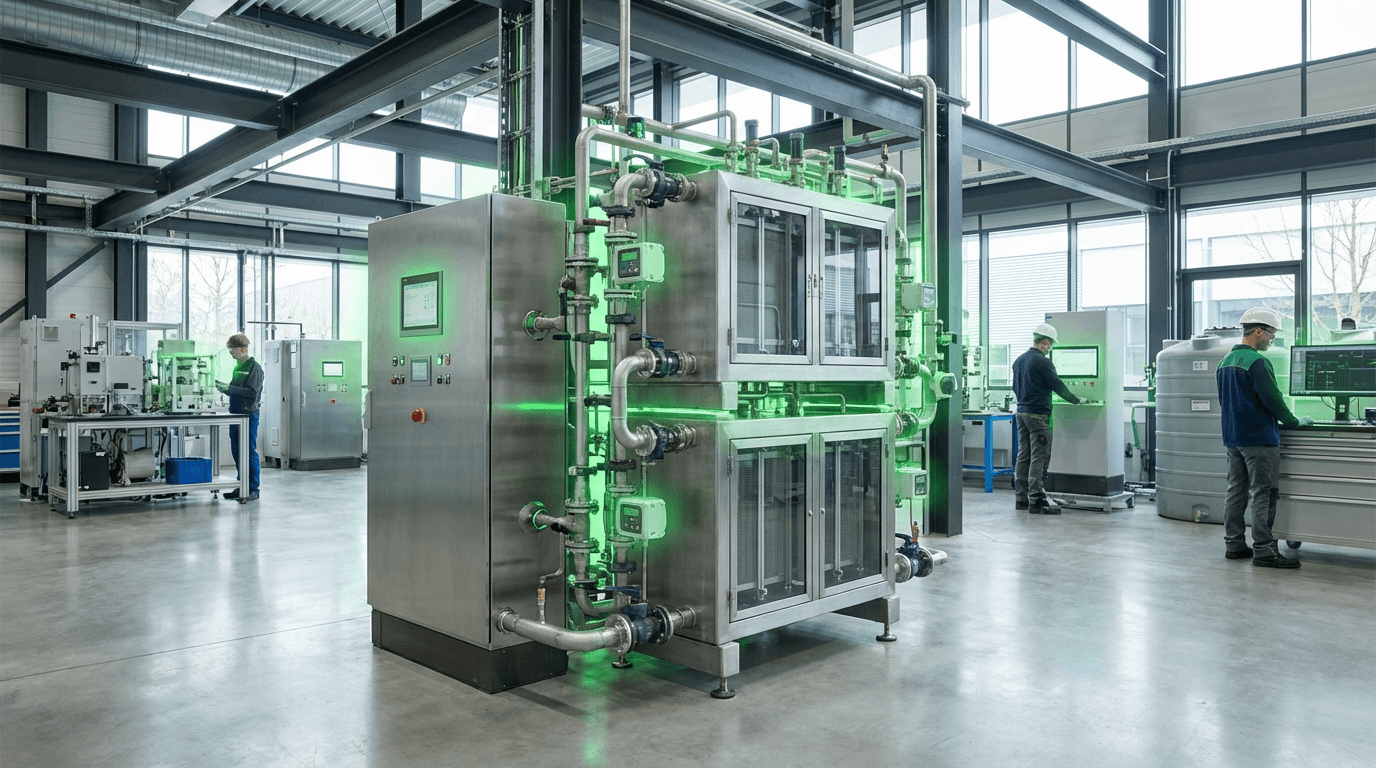
High-capacity electrolyzers represent a critical infrastructure technology for converting electrical energy into hydrogen fuel through water electrolysis at industrial scales. These systems employ advanced electrochemical processes, primarily using two dominant architectures: proton exchange membrane (PEM) electrolyzers and solid oxide electrolyzers (SOEC). PEM systems operate at lower temperatures and offer rapid response times, making them particularly well-suited for coupling with variable renewable energy sources like wind and solar. They use polymer membranes that conduct protons while separating hydrogen and oxygen gases, with precious metal catalysts facilitating the splitting of water molecules. Solid oxide electrolyzers, in contrast, operate at much higher temperatures (typically 700-900°C) and can achieve superior electrical efficiency by utilizing waste heat from industrial processes or concentrated solar thermal systems. Both technologies are being scaled from megawatt to gigawatt capacities, with modular designs allowing utilities and industrial operators to deploy systems matching their specific production requirements.
The energy sector faces a fundamental challenge in storing and transporting surplus renewable electricity generated during periods of low demand or high production. Traditional battery storage becomes economically impractical for seasonal energy storage or long-distance transport, creating a critical gap in the transition to renewable-dominated grids. High-capacity electrolyzers address this limitation by converting excess renewable electricity into hydrogen, which can be stored indefinitely, transported through existing or new pipeline infrastructure, or converted back to electricity when needed. This capability enables what industry analysts call "sector coupling"—the integration of electricity, heating, and transportation systems through hydrogen as an energy carrier. For utilities managing increasingly variable renewable generation portfolios, electrolyzers provide a controllable load that can absorb surplus power while producing a valuable commodity. This transforms what would otherwise be curtailed renewable energy into green hydrogen for industrial feedstock, transportation fuel, or grid balancing services.
Several utility-scale electrolyzer projects have moved beyond pilot phases into commercial operation, with systems ranging from 10 to over 100 megawatts now being deployed at industrial sites and renewable energy facilities. These installations are particularly concentrated in regions with abundant renewable resources and established industrial hydrogen demand, such as chemical manufacturing complexes and steel production facilities seeking to decarbonize their operations. Early deployments indicate that electrolyzer efficiency, durability, and capital costs are improving rapidly as manufacturing scales up and supply chains mature. The technology is increasingly viewed as essential infrastructure for achieving deep decarbonization in hard-to-electrify sectors like heavy industry, shipping, and aviation, where hydrogen can serve as both an energy carrier and chemical feedstock. As renewable electricity costs continue declining and carbon pricing mechanisms expand, industry projections suggest that green hydrogen from high-capacity electrolyzers will become cost-competitive with fossil fuel-derived hydrogen in key markets within the current decade, potentially catalyzing a fundamental restructuring of global energy systems around hydrogen as a clean energy vector.
Related Organizations

Designs and manufactures electrolyzers based on proton exchange membrane (PEM) technology.

Global hydrogen company delivering optimal solutions to produce, store, and distribute hydrogen from renewable energy using Alkaline and PEM electrolyzers.

Specialist in high-efficiency alkaline water electrolysis technology for large-scale industrial applications.

Manufacturer of solid oxide fuel cells that provide always-on primary power for microgrids.
Manufactures high-capacity electrolyzer plants specifically designed for critical industries like steel, fertilizer, and mining.
Provides HVDC Plus technology (VSC) and transformers for ultra-high-voltage transmission projects globally.

Chemical engineering company providing solid oxide electrolyzers and synthesis technologies for e-fuels.

A mechanical engineering group that is a global leader in the supply of large-scale alkaline electrolyzers.

Develops high-temperature solid oxide electrolyzers (SOEC) crucial for efficient e-fuel production.

Designs and manufactures modular PEM electrolyzers, with significant manufacturing operations in India.
Supporting Evidence
Research this in Signals
Signals turns a topic into a sourced research record you can inspect and rerun. Your first scan is free, and this one starts with High-Capacity Electrolyzers already loaded, so edit it or scan as is.