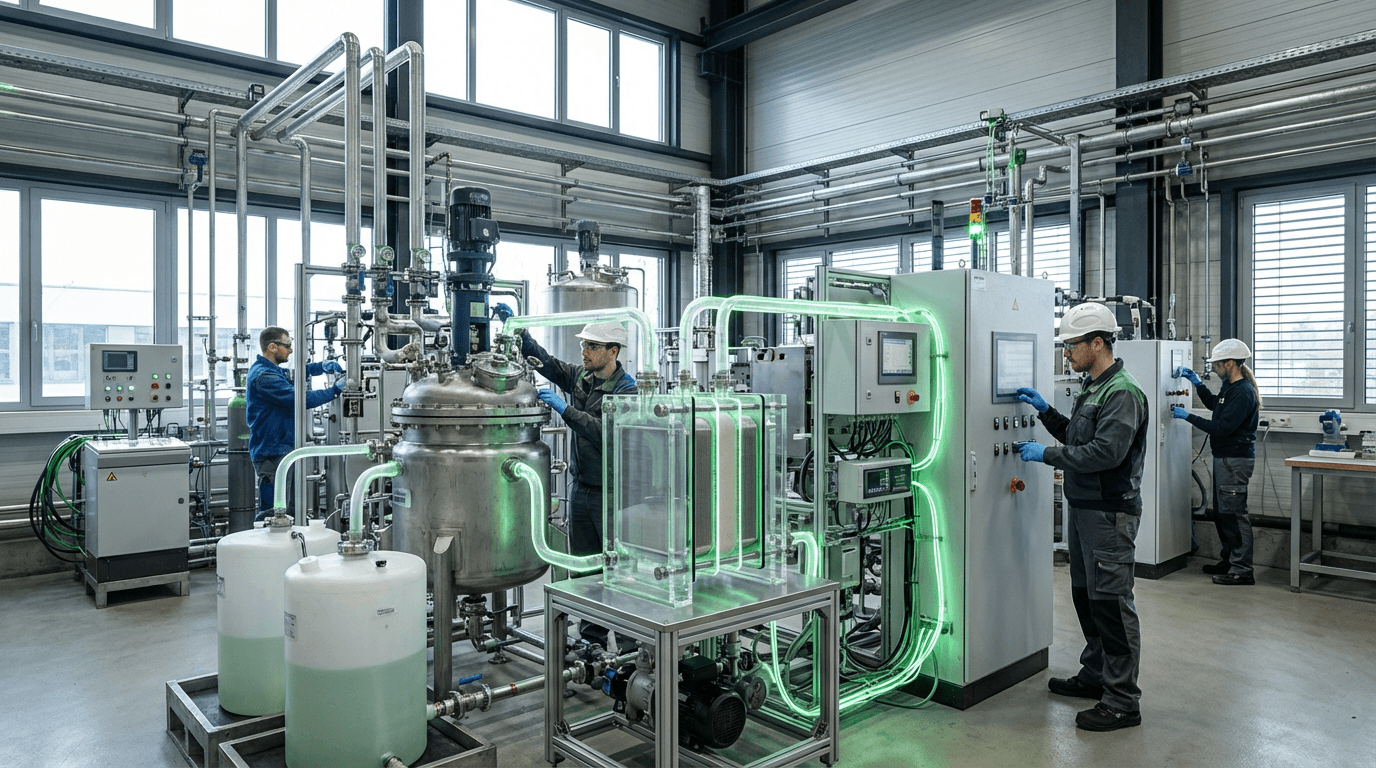
Power-to-X (PtX) Fuels
Power-to-X (PtX) represents a transformative approach to energy storage and decarbonization, converting surplus renewable electricity into energy-dense synthetic fuels and chemical feedstocks. The process begins with electrolysis, where renewable power splits water molecules into hydrogen and oxygen. This green hydrogen then serves as the foundation for synthesizing various products through different pathways. When combined with captured carbon dioxide, hydrogen can produce e-methanol, e-diesel, or synthetic kerosene through Fischer-Tropsch synthesis or direct catalytic conversion. Alternatively, hydrogen can react with atmospheric nitrogen to create e-ammonia via the Haber-Bosch process. These synthetic fuels possess chemical properties nearly identical to their fossil-derived counterparts, making them compatible with existing infrastructure and engines while carrying a dramatically reduced carbon footprint when produced from renewable sources.
The fundamental challenge PtX addresses is the intermittency of renewable energy and the difficulty of decarbonizing sectors that cannot easily electrify. Wind and solar power generation often exceeds immediate grid demand, yet this surplus energy typically goes unused due to storage limitations. PtX facilities can absorb this excess electricity, effectively functioning as large-scale energy storage systems while producing valuable commodities. More critically, industries like aviation, maritime shipping, and chemical manufacturing face significant barriers to direct electrification due to energy density requirements and operational constraints. Conventional batteries cannot provide the power-to-weight ratios needed for long-haul flights or transoceanic voyages. PtX fuels solve this problem by packaging renewable energy in liquid or gaseous forms that deliver comparable energy density to petroleum products, enabling these hard-to-abate sectors to transition away from fossil fuels without requiring wholesale infrastructure replacement or fleet redesign.
Several commercial-scale PtX facilities have begun operations in recent years, with projects emerging across Northern Europe, Chile, and the Middle East where abundant renewable resources meet industrial demand. Early deployments focus primarily on e-methanol production for shipping applications and e-ammonia for both maritime fuel and fertilizer production. Major shipping companies have already ordered vessels designed to run on these synthetic fuels, while aviation authorities are establishing certification pathways for sustainable aviation fuels derived through PtX processes. The technology faces economic headwinds, as production costs currently exceed conventional fuels by significant margins, though analysts project cost parity within the next decade as renewable electricity prices decline and carbon pricing mechanisms strengthen. Industry observers note that PtX represents not merely an alternative fuel source but a fundamental restructuring of the energy system, creating new linkages between electricity grids, industrial processes, and transportation networks while establishing pathways for seasonal energy storage and grid balancing that complement battery systems.
Related Organizations

Develops e-fuel projects globally, converting hydrogen and recycled CO2 into methanol and gasoline.

Produces ultra-low carbon Electrofuels for heavy transport and chemical applications.


Develops facilities to produce eMethanol for the maritime industry.

Consortium aiming to industrialize Power-to-Liquid production for sustainable aviation fuel in Norway.

Develops high-temperature solid oxide electrolyzers (SOEC) crucial for efficient e-fuel production.

Chemical engineering company providing solid oxide electrolyzers and synthesis technologies for e-fuels.

Carbon transformation company using CO2 electrolysis to produce E-Jet fuel and materials.

Developing commercial-scale power-to-liquid facilities to produce e-kerosene and e-diesel.

Industrial SME focused on producing e-methanol and sustainable aviation fuels.

Finnish pioneer in green hydrogen and Power-to-X technology.
Supporting Evidence
Research this in Signals
Signals turns a topic into a sourced research record you can inspect and rerun. Your first scan is free, and this one starts with Power-to-X (PtX) Fuels already loaded, so edit it or scan as is.