Long-Duration Energy Storage
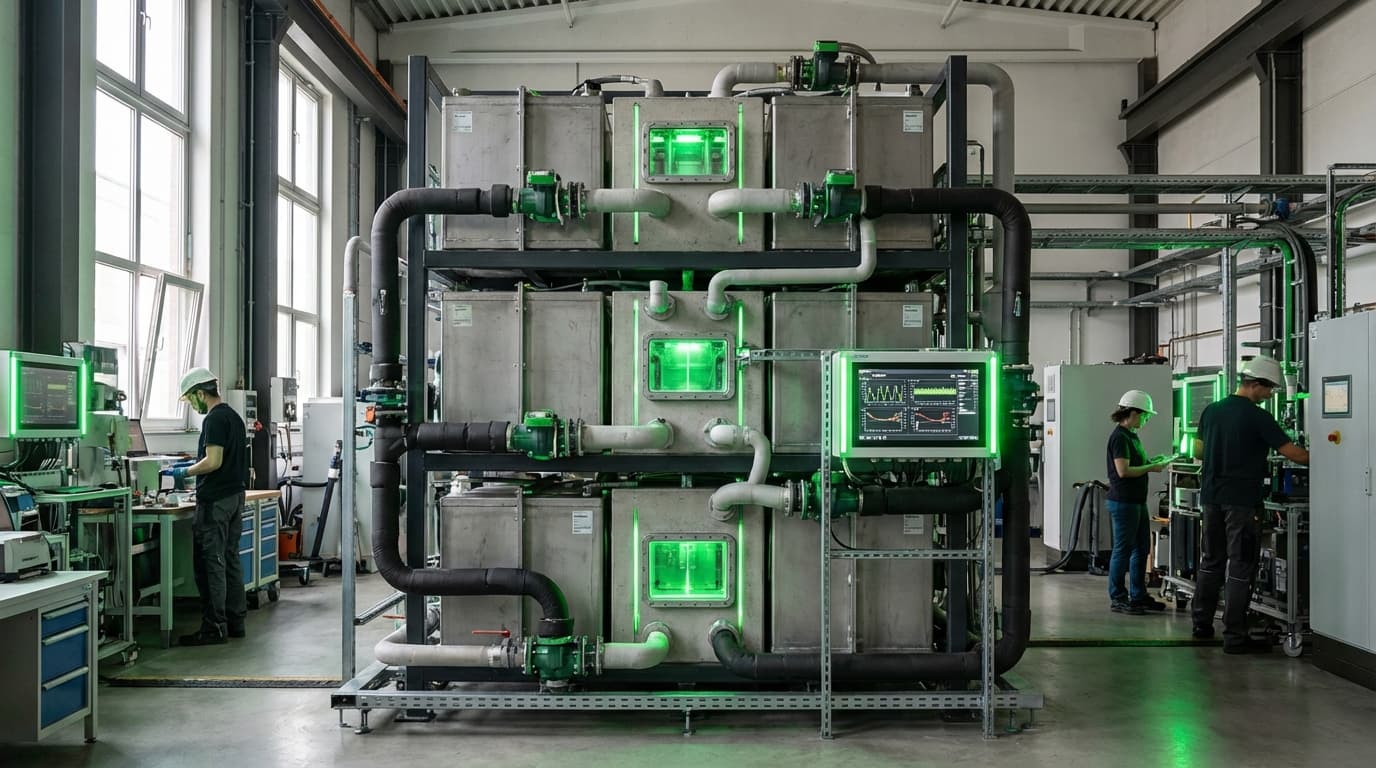
Long-duration energy storage represents a critical evolution in grid infrastructure, addressing the fundamental challenge of storing electrical energy for extended periods—typically 10 hours or more, and in some cases spanning days or even weeks. Unlike conventional lithium-ion batteries optimised for short bursts of power, these systems employ diverse technological approaches including flow batteries that store energy in liquid electrolytes, compressed air energy storage (CAES) that uses underground caverns to store pressurised air, pumped hydro storage that moves water between reservoirs at different elevations, and thermal energy storage systems that capture heat in molten salts or other materials. Each approach offers distinct advantages in terms of capacity, discharge duration, and cost structure, but all share the common capability of decoupling energy generation from consumption over significantly longer timeframes than traditional battery systems.
The proliferation of solar and wind power has created an urgent need for storage solutions that can bridge the gap between when renewable energy is generated and when it is needed. Solar panels produce electricity during daylight hours, while wind patterns follow their own unpredictable rhythms, yet consumer demand peaks during evenings and varies seasonally. This temporal mismatch creates grid instability and forces utilities to maintain expensive fossil fuel backup generation. Long-duration storage systems solve this problem by absorbing excess renewable energy during periods of high generation and low demand, then releasing it hours or days later when the grid requires additional capacity. This capability fundamentally transforms renewable energy from an intermittent resource into a dispatchable one, enabling utilities to retire fossil fuel peaker plants and achieve higher penetrations of clean energy without compromising reliability. The technology also addresses the economic challenge of curtailment, where renewable energy must be wasted because it cannot be used or stored, representing both lost revenue and inefficient use of clean energy infrastructure.
Several long-duration storage technologies have progressed beyond pilot stages into commercial deployment, with flow batteries being installed at utility scale in locations across North America and Asia, while thermal storage systems are being integrated with concentrated solar power plants to extend their operational hours well into the evening. Compressed air facilities, though requiring specific geological formations, have demonstrated decades of reliable operation in select locations. Industry analysts note that cost reductions in these technologies, combined with supportive policies and the growing economic pressure to decarbonise electricity grids, are accelerating deployment timelines. The trajectory suggests that long-duration storage will become an essential component of grid infrastructure, working in concert with shorter-duration batteries to create resilient, flexible energy systems capable of operating entirely on renewable sources while maintaining the reliability that modern societies demand.
Related Organizations

Manufactures iron flow batteries for long-duration commercial and utility-scale energy storage applications.
Developing and commercializing multi-day energy storage systems using iron-air battery technology specifically for grid scaling.
Eos Energy Enterprises
United States · Company
Produces zinc-based battery storage systems (Znyth technology) designed for 3-12 hour discharge.

Develops cryogenic energy storage systems (Liquid Air Energy Storage) that use liquid air as the storage medium.
Developer of Advanced Compressed Air Energy Storage (A-CAES) systems that use hydrostatic pressure to store energy.
A global leader in vanadium flow batteries, formed by the merger of redT energy and Avalon Battery.

A spin-out from Google X developing a pumped thermal energy storage system using molten salt and coolant.

Uses solid carbon blocks to store heat at extremely high temperatures, providing zero-carbon heat and power to heavy industry.
Provides vanadium redox flow battery systems for microgrids and renewable energy storage.
Uses a CO2 Battery technology where carbon dioxide is stored under pressure to hold energy.

Develops geomechanical pumped storage, storing water under pressure between rock layers underground.

Uses refractory brick to store heat at high temperatures, serving similar decarbonization goals.
Supporting Evidence
Research this in Signals
Signals turns a topic into a sourced research record you can inspect and rerun. Your first scan is free, and this one starts with Long-Duration Energy Storage already loaded, so edit it or scan as is.