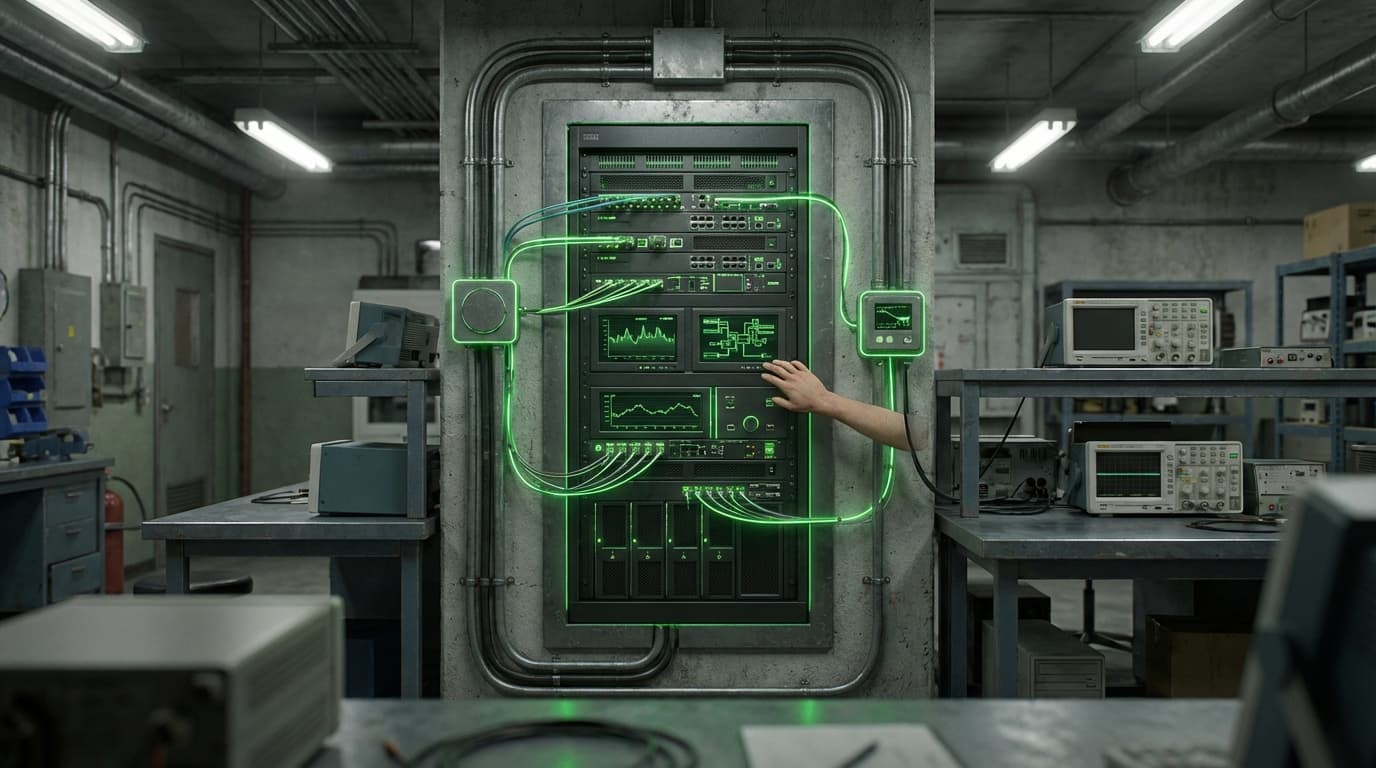
Cyber-Physical Anomaly Detection
Modern power grids face an unprecedented convergence of cyber and physical threats, where a single compromised sensor or misconfigured relay can cascade into widespread blackouts affecting millions. Traditional cybersecurity approaches designed for information technology (IT) networks fall short when applied to operational technology (OT) environments, where industrial control systems, SCADA networks, and physical equipment operate under strict real-time constraints. Cyber-physical anomaly detection addresses this critical gap by employing artificial intelligence and machine learning algorithms specifically designed to understand the unique characteristics of power system operations. These systems continuously monitor multiple data streams simultaneously—network traffic patterns, device telemetry from transformers and circuit breakers, electrical measurements like voltage and frequency, and control commands flowing through supervisory systems. By establishing baseline models of normal grid behavior that account for daily load cycles, seasonal variations, and operational modes, these detection engines can identify subtle deviations that signal potential cyber intrusions, equipment malfunctions, or dangerous misconfigurations.
The energy sector faces distinct challenges that make conventional cybersecurity inadequate for protecting critical infrastructure. Unlike traditional IT networks where brief service interruptions are tolerable, power grids demand continuous operation with millisecond-level response times, making many standard security measures impractical. Furthermore, grid operators must contend with decades-old legacy equipment running alongside modern digital systems, creating complex attack surfaces that adversaries can exploit. Cyber-physical anomaly detection solves these problems by correlating information across previously siloed domains—recognizing, for instance, that unusual network traffic to a substation controller combined with unexpected changes in transformer loading patterns might indicate a coordinated attack rather than coincidental events. This holistic approach enables utilities to distinguish between benign operational changes, equipment degradation, and genuine security threats, dramatically reducing false alarms while improving detection of sophisticated attacks that might manipulate both cyber communications and physical measurements to mask malicious activity.
Early deployments of cyber-physical anomaly detection systems are already proving valuable in utility operations, with several major grid operators integrating these capabilities into their security operations centers. These systems have successfully identified previously undetected vulnerabilities, from misconfigured firewall rules that exposed critical substations to unusual communication patterns suggesting reconnaissance activities by potential attackers. Beyond pure cybersecurity applications, utilities are discovering that the same anomaly detection frameworks provide early warning of equipment failures and grid instability, creating operational value that justifies investment even beyond security considerations. As power grids incorporate increasing numbers of distributed energy resources, electric vehicle charging networks, and renewable generation sources—each adding complexity and potential attack vectors—the importance of intelligent anomaly detection will only grow. Industry analysts note that regulatory pressure following high-profile grid cyberattacks is accelerating adoption, while ongoing research into physics-informed machine learning promises even more accurate detection capabilities that deeply understand the fundamental electrical and mechanical principles governing grid behavior, moving beyond purely statistical pattern matching toward true comprehension of cyber-physical interactions.
Related Organizations

Specializes in securing the Extended Internet of Things (XIoT), bridging the gap between IT, OT, and IoT security.

Provides industrial cybersecurity platform for asset identification, threat detection, and response in OT environments.

Idaho National Laboratory (INL)
United States · Research Lab
The US Department of Energy's lead laboratory for nuclear energy and critical infrastructure protection.

Delivers OT and IoT visibility and security, using AI to detect anomalies in industrial control networks.

Designs and manufactures digital products and systems that protect power grids.

Armis
United States · Startup
Asset intelligence platform that discovers and secures managed, unmanaged, and IoT/OT devices.

Uses self-learning AI to detect and respond to cyber threats across IT and OT/industrial environments.



Mission Secure
United States · Startup
An OT cybersecurity company focused on stopping cyber attacks in critical infrastructure.
Supporting Evidence
Research this in Signals
Signals turns a topic into a sourced research record you can inspect and rerun. Your first scan is free, and this one starts with Cyber-Physical Anomaly Detection already loaded, so edit it or scan as is.