Critical Infrastructure Cyber Resilience
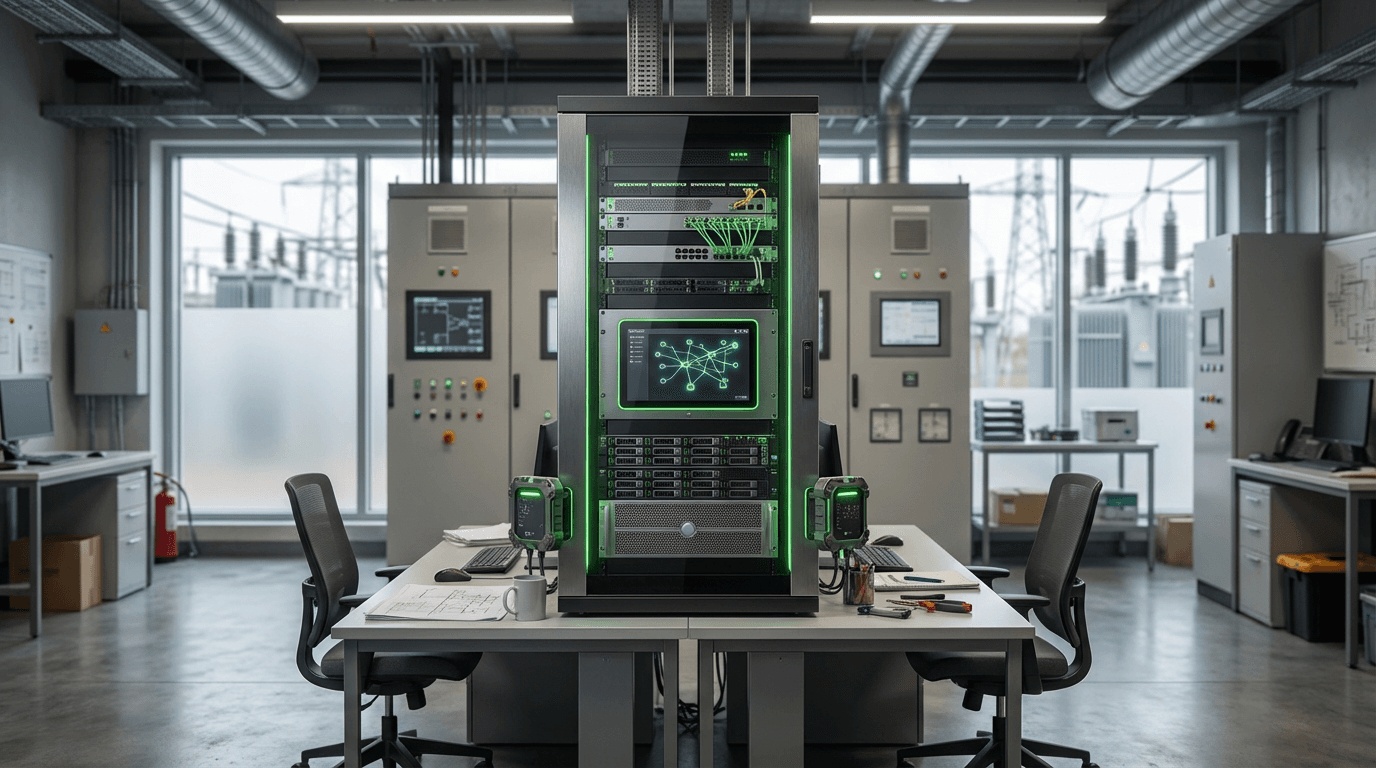
The energy sector faces an unprecedented convergence of digital transformation and escalating cyber threats, creating vulnerabilities that could cascade into widespread blackouts, economic disruption, or even physical damage to critical infrastructure. Traditional information technology security models prove inadequate when applied to operational technology environments, where legacy systems often operate for decades, real-time control requirements leave little room for security overhead, and the physical consequences of a breach extend far beyond data loss. Critical Infrastructure Cyber Resilience addresses these challenges through integrated frameworks that fundamentally rethink how energy assets are protected, moving beyond perimeter defense to assume that breaches will occur and systems must continue operating safely even under attack. At its technical core, this approach combines zero-trust network architectures that verify every access request regardless of origin, secure-by-design operational technology that embeds security principles into industrial control systems from inception, and coordinated incident response protocols that enable rapid detection and containment across interconnected grid components.
The energy industry confronts a threat landscape that has evolved from opportunistic hackers to sophisticated state-sponsored actors and ransomware groups specifically targeting utilities for maximum impact. Recent years have demonstrated that substations, control centers, and pipeline networks represent attractive targets where successful intrusions can affect millions of customers or disrupt fuel supplies across entire regions. Critical Infrastructure Cyber Resilience frameworks solve the fundamental problem of securing systems that were never designed with modern cyber threats in mind, often running proprietary protocols and requiring continuous availability that makes traditional patch management impractical. By implementing micro-segmentation that isolates critical functions, continuous monitoring that detects anomalous behavior in real-time, and automated response capabilities that can contain threats without human intervention, these frameworks enable utilities to maintain operational continuity even when portions of their networks are compromised. This approach also addresses the challenge of coordinating security across the complex ecosystem of generation facilities, transmission networks, distribution systems, and third-party vendors that comprise modern energy infrastructure.
Early implementations of comprehensive cyber resilience frameworks are already underway at major utilities and grid operators, driven by both regulatory mandates and the recognition that cyber incidents pose existential risks to energy security. These deployments typically begin with critical assets like high-voltage substations and control centers before expanding to encompass entire operational technology environments. The frameworks enable utilities to maintain situational awareness across their attack surface, respond to incidents in coordinated fashion rather than isolated silos, and recover operations quickly when breaches occur. As the energy sector continues its digital transformation through smart grid technologies, distributed energy resources, and increased interconnection, the importance of resilient cyber defense will only intensify. Industry analysts note that the shift toward resilience-focused security represents a maturation beyond compliance-driven approaches, acknowledging that perfect prevention is impossible and that the ability to detect, respond, and recover determines whether cyber incidents become minor disruptions or catastrophic failures affecting public safety and economic stability.
Related Organizations

A not-for-profit international regulatory authority whose mission is to assure the effective and efficient reduction of risks to the reliability and security of the grid.

Idaho National Laboratory (INL)
United States · Research Lab
The US Department of Energy's lead laboratory for nuclear energy and critical infrastructure protection.
Provides industrial cybersecurity platform for asset identification, threat detection, and response in OT environments.

Delivers OT and IoT visibility and security, using AI to detect anomalies in industrial control networks.

Specializes in securing the Extended Internet of Things (XIoT), bridging the gap between IT, OT, and IoT security.

Designs and manufactures digital products and systems that protect power grids.

The EU agency dedicated to achieving a high common level of cybersecurity across Europe.

Develops unidirectional security gateways (data diodes) that physically prevent cyberattacks from entering industrial control networks.

Provides a blockchain-protected cybersecurity mesh for industrial operations and critical infrastructure.

Armis
United States · Startup
Asset intelligence platform that discovers and secures managed, unmanaged, and IoT/OT devices.
Supporting Evidence
Research this in Signals
Signals turns a topic into a sourced research record you can inspect and rerun. Your first scan is free, and this one starts with Critical Infrastructure Cyber Resilience already loaded, so edit it or scan as is.