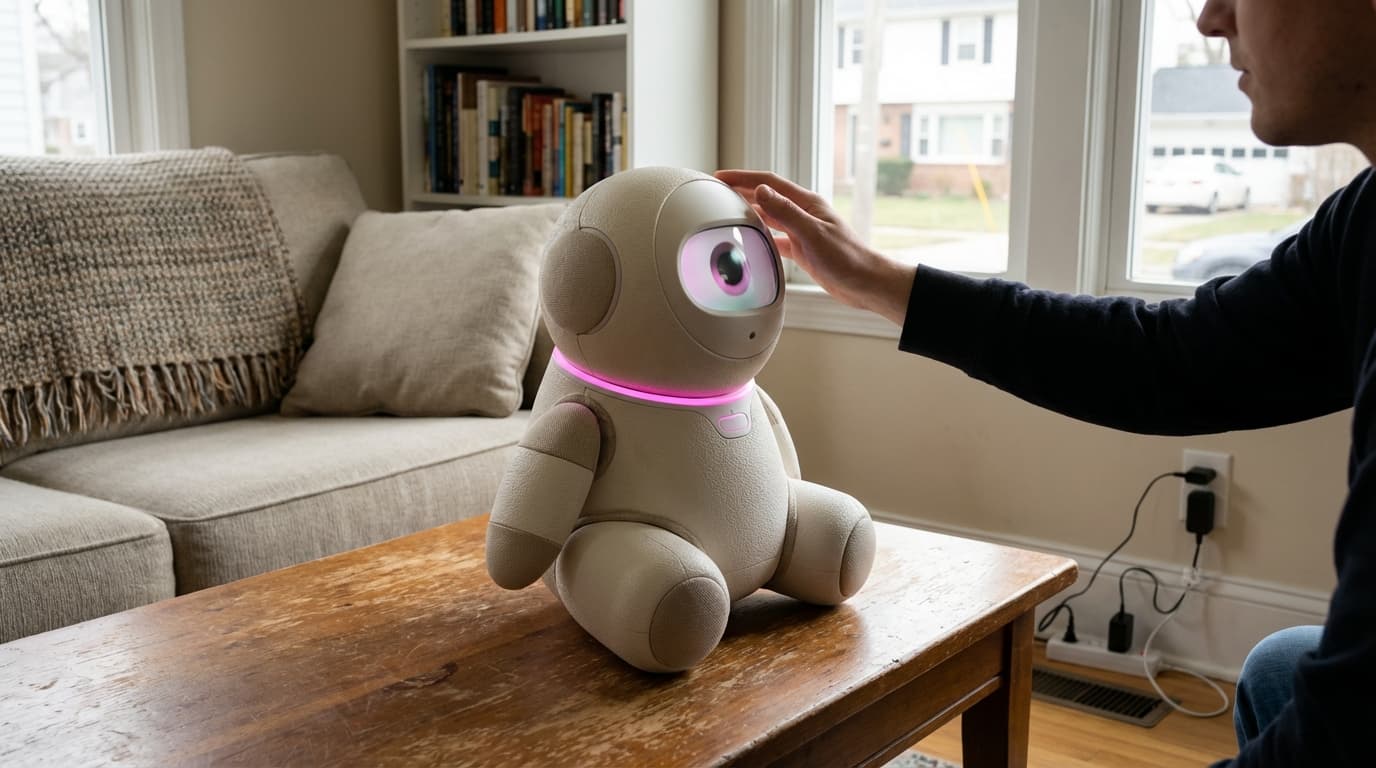
Empathic Companion Robots
Empathic companion robots represent a specialized category of domestic robotics that prioritizes emotional connection over functional task completion. These systems integrate advanced sensor arrays—including cameras, microphones, and sometimes touch-sensitive surfaces—with machine learning algorithms trained to recognize human emotional states through facial expressions, vocal tone, body language, and physiological signals. The robots employ this sensory data to generate contextually appropriate responses, utilizing expressive features such as animated eyes, adjustable postures, responsive movements, and modulated vocalizations. Unlike traditional service robots designed primarily for cleaning, delivery, or security tasks, empathic companions are engineered specifically to simulate social presence and emotional attunement, creating interactions that feel personally meaningful rather than purely transactional.
The development of these technologies addresses a growing public health challenge: social isolation and loneliness, particularly among aging populations, individuals with limited mobility, and those experiencing mental health difficulties. Research suggests that prolonged social isolation correlates with increased risks of depression, cognitive decline, and cardiovascular disease, creating both human suffering and substantial healthcare costs. Traditional approaches to combating loneliness—such as community programs or professional caregiving—face scalability limitations due to workforce shortages and geographic constraints. Empathic companion robots offer a complementary solution that can provide consistent, non-judgmental presence without the scheduling limitations or emotional fatigue that human caregivers may experience. These systems enable new care models where technology supplements rather than replaces human connection, potentially extending the capacity of existing support networks while reducing the burden on overstretched healthcare systems.
Early deployments indicate promising applications across multiple contexts. In eldercare facilities and private homes, companion robots have been piloted to provide conversation, medication reminders wrapped in gentle social interaction, and alerts to family members or caregivers when behavioral patterns suggest distress. Some educational settings have explored these technologies to support children with autism spectrum disorders, offering predictable, patient interaction partners that help develop social skills in low-pressure environments. The companion robot market has seen growing commercial activity, with several manufacturers releasing consumer-oriented products featuring increasingly sophisticated emotional modeling capabilities. As artificial intelligence continues advancing in natural language processing and affective computing, these systems are likely to become more nuanced in their emotional responsiveness. The trajectory points toward companion robots becoming integrated elements of comprehensive care ecosystems, particularly as societies grapple with demographic shifts toward older populations and the persistent challenge of maintaining human connection in increasingly fragmented social landscapes.
Related Organizations

Developers of LOVOT, a companion robot designed to be loved and to nurture users' capacity for love.

Japanese research institute that developed PARO, the therapeutic seal robot.

Creator of ElliQ, an AI care companion robot for older adults.

Creators of MOFLIN, an AI pet robot with an emotional algorithm that evolves based on how it is treated.

Creators of Eilik, a desktop companion robot with a focus on emotional expression and tactile interaction.

Creates hyper-realistic robotic emotional support animals (specifically dogs) for seniors with dementia.

Creators of Moxie, a companion robot that uses machine learning to perceive, process, and respond to natural conversation and eye contact to help children with social development.

Creators of Buddy, an emotional companion robot used in education and inclusion projects for children with special needs.

Robotics manufacturer known for MarsCat, a bionic pet cat.
Supporting Evidence
Research this in Signals
Signals turns a topic into a sourced research record you can inspect and rerun. Your first scan is free, and this one starts with Empathic Companion Robots already loaded, so edit it or scan as is.