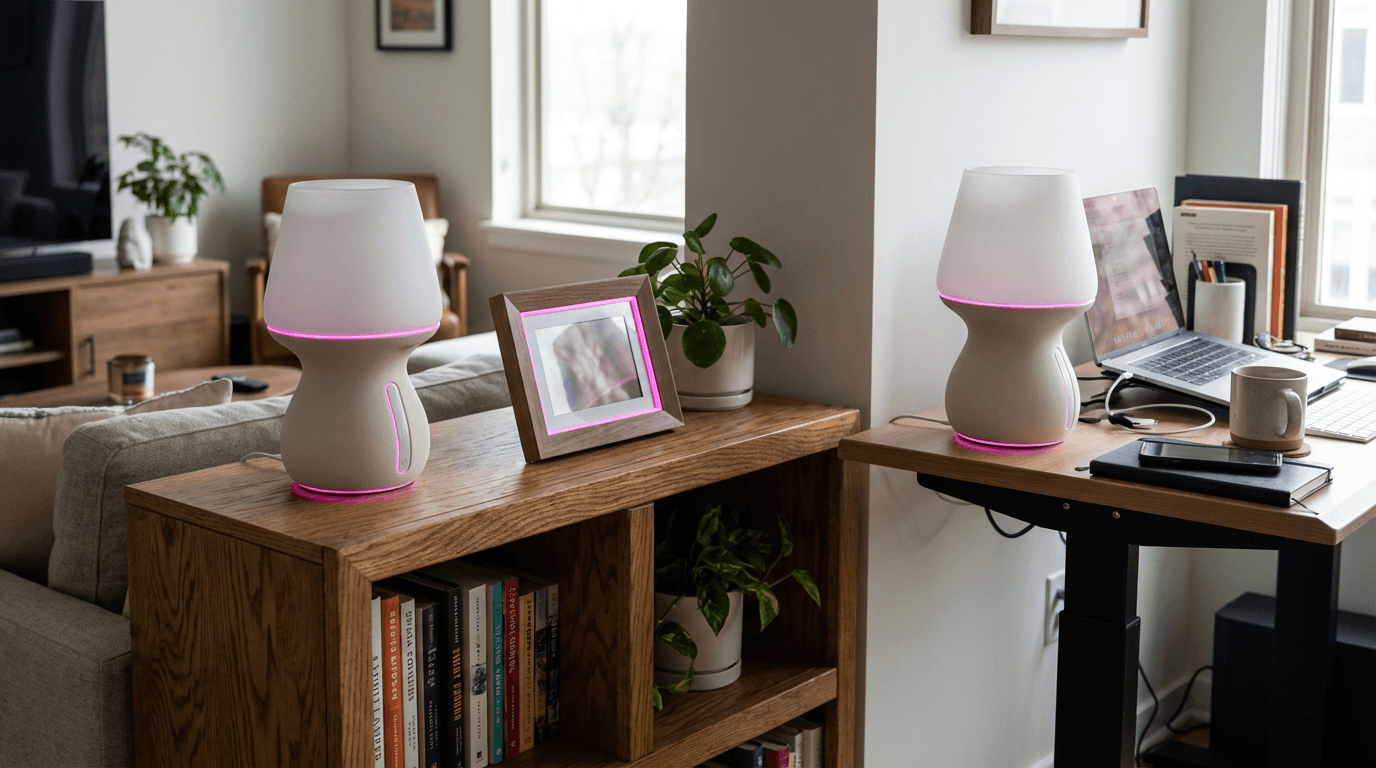
Ambient Presence Objects
Ambient presence objects represent a departure from the notification-driven paradigm of digital communication, offering instead a more subtle and emotionally resonant way to maintain connection with distant loved ones. These are everyday household items—lamps, picture frames, sculptures, or decorative pieces—embedded with connectivity and sensors that respond to the status, mood, or proximity of another person. Unlike smartphones that demand immediate attention through alerts and messages, these objects communicate through gentle shifts in color, light intensity, texture, or subtle motion. The underlying technology typically combines internet connectivity, ambient sensors, and actuators with simple input mechanisms that allow users to signal their emotional state or presence without crafting explicit messages. Research in tangible computing and calm technology suggests that this approach aligns more naturally with human peripheral awareness, creating what researchers call "ambient intimacy"—a persistent but unobtrusive sense of connection that doesn't require active engagement.
The primary challenge these objects address is the emotional disconnect that often accompanies physical distance in relationships, whether due to remote work arrangements, long-distance partnerships, or family members living apart. Traditional communication tools require deliberate action and attention, creating pressure to have something specific to say and often leading to communication gaps that can strain relationships. Ambient presence objects solve this by enabling what might be called "phatic communion"—communication that serves primarily to maintain social bonds rather than exchange information. Early deployments indicate that users appreciate the low-effort nature of these connections, which allow them to feel close to loved ones without the cognitive load of composing messages or scheduling calls. This technology also addresses a growing concern about digital wellbeing by offering connection without the addictive pull of screens and notifications, supporting healthier boundaries between connected and disconnected time.
Current implementations range from commercially available products like connected lamps that glow in synchronized colors when touched, to custom-designed objects created by artists and designers exploring emotional technology. Some versions incorporate biometric data, allowing a lamp to shift hues based on a partner's heart rate or stress levels detected through a wearable device, while others respond to simple manual inputs like a button press to signal "thinking of you." Industry analysts note growing interest in this category as part of broader trends toward ambient computing and the Internet of Things, particularly as concerns about screen time and digital overload intensify. The technology appears especially relevant in contexts where maintaining emotional bonds across distance is critical—aging parents and adult children, deployed military personnel and their families, or distributed teams seeking to preserve workplace culture. As sensor technology becomes more sophisticated and affordable, future iterations may incorporate more nuanced emotional signals while maintaining the core principle of calm, peripheral awareness that distinguishes these objects from conventional communication devices.
Related Organizations

Developer of the Bond Touch bracelets that allow users to send haptic touches to partners over long distances.

Creator of 'Friendship Lamps', Wi-Fi connected lamps that light up in a specific color when a paired lamp is touched.

A connected wooden box that spins when a message arrives via app, creating a physical ritual for digital messaging.

Smart digital photo frames that allow family members to instantly share photos to a loved one's home display.

Developers of Pillow Talk, a wristband and speaker system that transmits a partner's heartbeat to a pillow for sleep intimacy.

Creators of the HB Ring, a premium smart ring that allows wearers to feel and see their partner's real-time heartbeat.

A maritime monitoring platform from the Allen Institute for AI (AI2).

Online retailer that actively curates, commissions, and popularizes long-distance relationship technologies (like the Long Distance Touch Lamp).

App and service for private family photo sharing that creates physical artifacts (DVDs, books) and is expanding into connected experiences.
Supporting Evidence
Research this in Signals
Signals turns a topic into a sourced research record you can inspect and rerun. Your first scan is free, and this one starts with Ambient Presence Objects already loaded, so edit it or scan as is.