Energy and Utilities Analytics
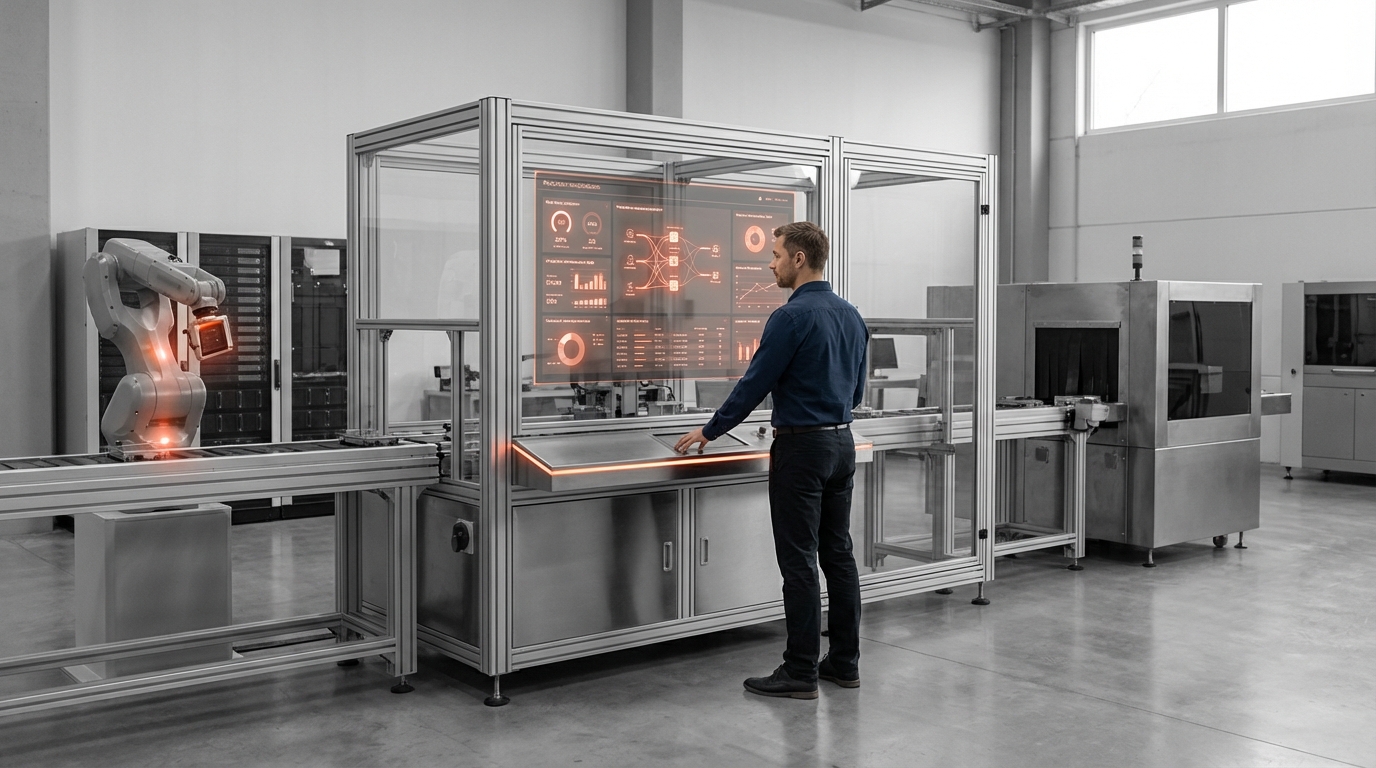
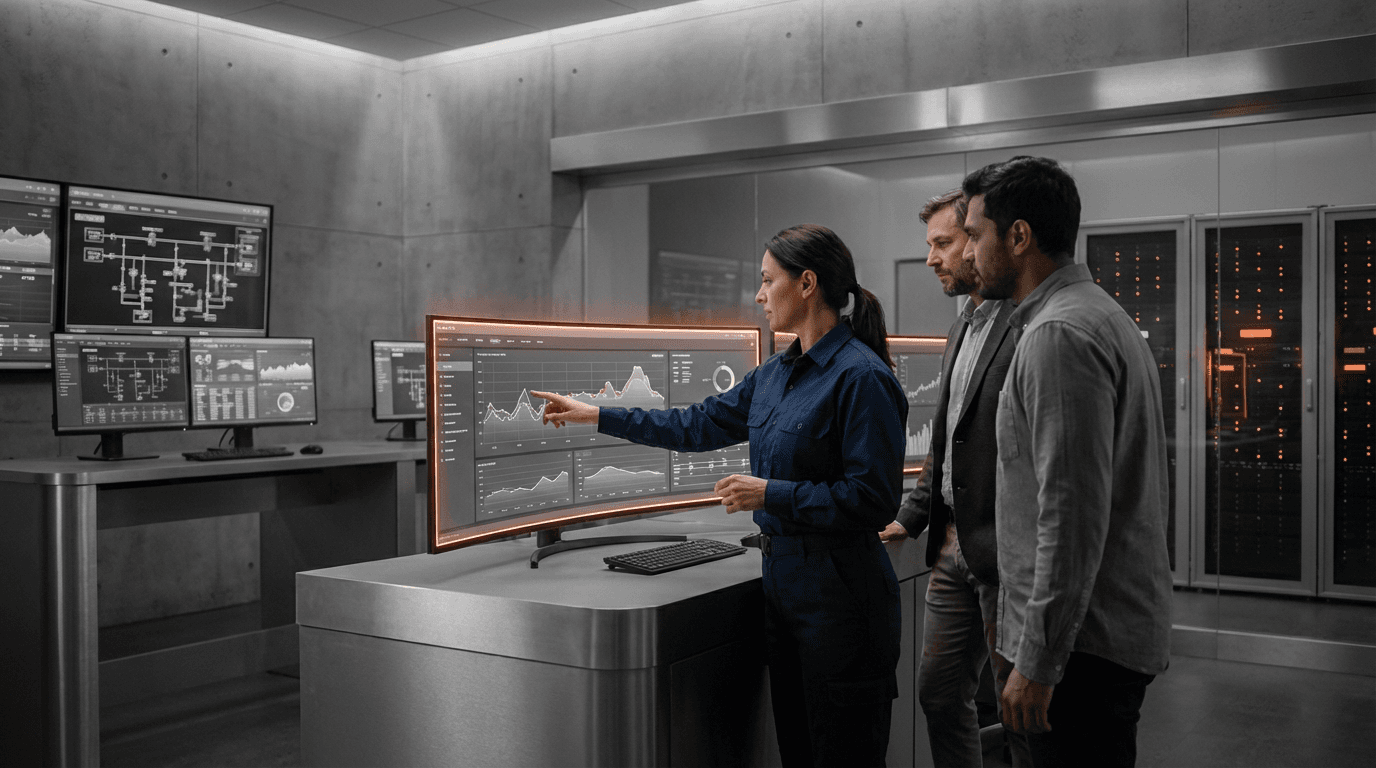
The energy and utilities sector faces mounting pressure to balance reliability, sustainability, and cost-effectiveness while managing increasingly complex infrastructure. Traditional energy systems were designed for predictable, centralized generation from fossil fuels, but the rapid integration of intermittent renewable sources like solar and wind has introduced significant volatility into both supply and demand. Energy and utilities analytics addresses these challenges by applying advanced data analysis techniques to optimize every aspect of the energy value chain—from generation and transmission to distribution and consumption. At its core, this approach leverages vast streams of data from smart meters, grid sensors, weather stations, and market systems to create actionable insights. Machine learning algorithms process historical consumption patterns, real-time grid conditions, and meteorological forecasts to predict demand with increasing accuracy. Meanwhile, optimization models determine the most efficient dispatch of generation assets, balancing conventional power plants with renewable sources while maintaining grid stability and minimizing costs.
The fundamental problems this technology solves are multifaceted and critical to modern energy systems. Utilities struggle with demand forecasting accuracy, which directly impacts generation scheduling and resource allocation—overestimation leads to wasted capacity and unnecessary emissions, while underestimation risks blackouts. Grid operators face the challenge of maintaining frequency and voltage stability as variable renewable generation displaces dispatchable fossil fuel plants. Infrastructure managers must predict equipment failures before they occur, as unplanned outages can cascade into widespread disruptions and costly emergency repairs. Energy and utilities analytics transforms these challenges into manageable processes through predictive maintenance algorithms that identify failing transformers or transmission lines before catastrophic failure, demand response programs that shift consumption away from peak periods, and renewable integration models that optimize storage deployment and grid flexibility. This capability enables utilities to reduce operational costs, extend asset lifespans, minimize carbon emissions, and improve service reliability simultaneously—outcomes that were previously considered mutually exclusive trade-offs.
Current deployments span utilities worldwide, with smart grid initiatives in Europe, North America, and Asia driving adoption of increasingly sophisticated analytics platforms. Utilities employ these systems for applications ranging from outage prediction and restoration optimization to dynamic pricing programs that incentivize consumers to shift usage patterns. Weather-dependent renewable forecasting has become particularly critical, with wind and solar operators using analytics to predict generation hours or days in advance, allowing grid operators to plan compensating actions. Some utilities have implemented consumer-facing applications that provide real-time energy usage insights and personalized efficiency recommendations, fostering engagement in demand management programs. As the energy transition accelerates and distributed energy resources like rooftop solar and electric vehicles proliferate, analytics will become even more essential for coordinating these decentralized assets into virtual power plants and managing bidirectional power flows. The convergence of edge computing, Internet of Things sensors, and artificial intelligence promises to enable near-instantaneous grid optimization, transforming energy systems into self-healing, adaptive networks capable of integrating renewable sources at unprecedented scales while maintaining the reliability that modern society demands.
Related Organizations

Enterprise AI software provider with a dedicated suite for predictive maintenance across energy, defense, and manufacturing.

The energy portfolio of GE (formerly GE Digital), offering Asset Performance Management (APM) software powered by AI.

Maintains the efficiency charts for solar cells and conducts foundational research on perovskite stability.

Industrial giant offering the 'Senseye Predictive Maintenance' suite and MindSphere IoT platform.

Develops enterprise software that unlocks the value of distributed energy resources (DERs) through Virtual Power Plants (VPPs).

Provides software for electric utilities to engage customers on rates and energy usage, supporting income-qualified programs.

Uses AI to disaggregate energy meter data, providing itemized appliance-level insights to utilities and consumers.

An independent, non-profit energy research and development organization.
The advanced energy services arm of Enel Group, focusing on demand response and flexibility.

A global leader in AI-driven clean energy solutions and services.