Manufacturing Analytics and Industry 4.0
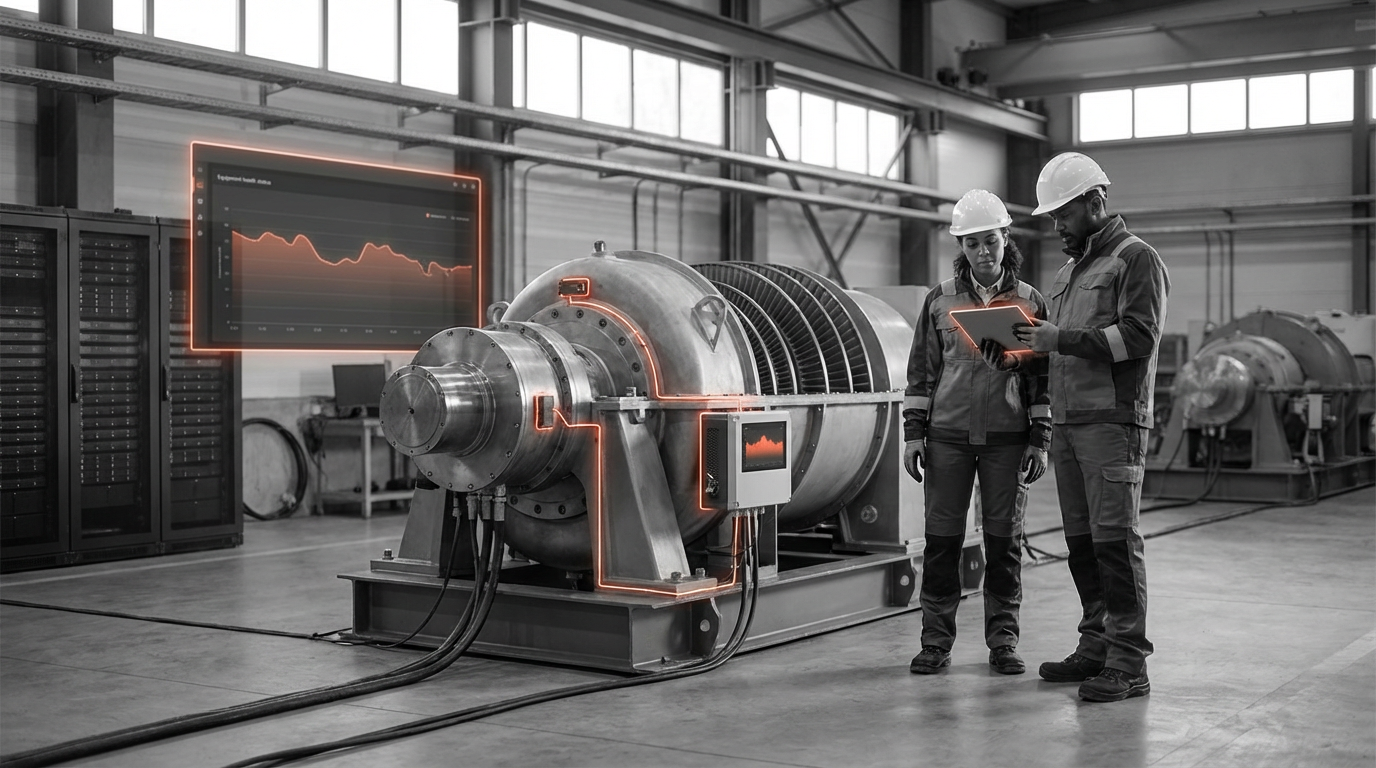
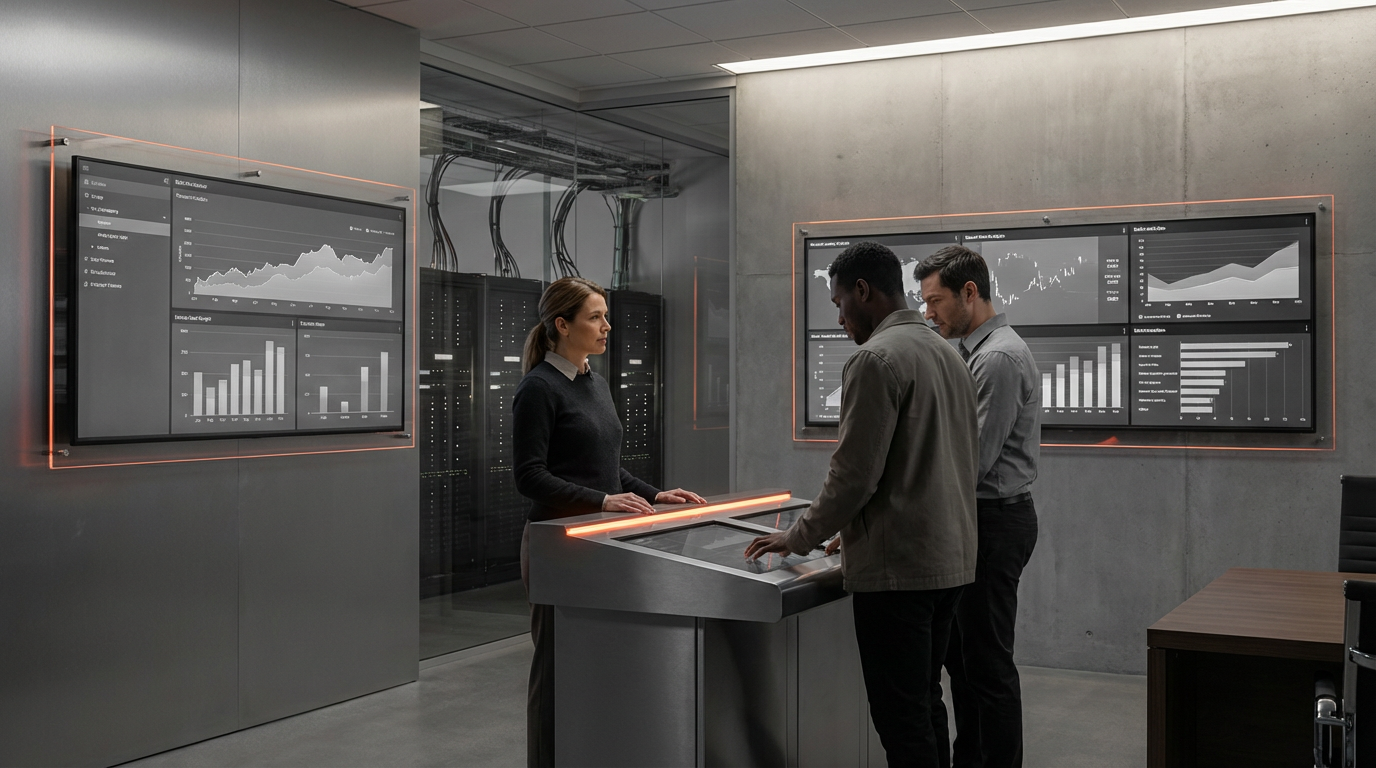
Manufacturing analytics represents a fundamental shift in how production facilities operate, moving from reactive, experience-based decision-making to proactive, data-driven optimization. This approach harnesses the vast streams of information generated by modern production equipment, IoT sensors, quality control systems, and enterprise resource planning platforms to create a comprehensive digital representation of manufacturing operations. At its technical core, the system relies on continuous data collection from diverse sources—machine sensors monitoring temperature, vibration, and performance metrics; vision systems inspecting product quality; and production management systems tracking throughput and efficiency. These data streams are aggregated, processed through advanced analytics algorithms, and transformed into actionable insights that inform everything from maintenance schedules to production line configurations. The integration of artificial intelligence and machine learning enables the system to identify patterns invisible to human operators, predict equipment failures before they occur, and recommend optimal production parameters that balance quality, speed, and resource consumption.
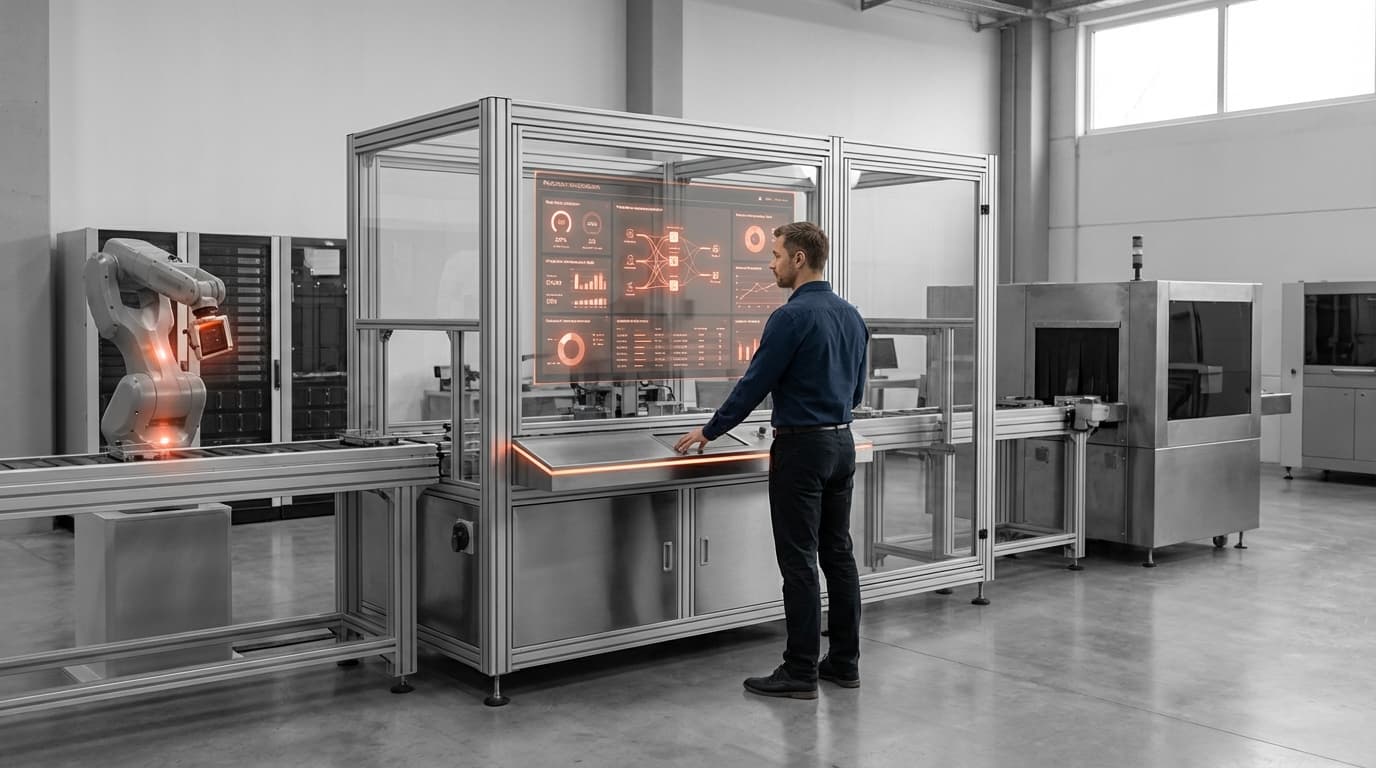
The manufacturing sector faces mounting pressures that make this analytical transformation increasingly urgent. Global competition demands ever-higher efficiency and quality standards, while rising energy costs and sustainability requirements push manufacturers to eliminate waste and optimize resource use. Traditional approaches to production management—relying on scheduled maintenance, manual quality inspections, and static production plans—struggle to meet these challenges, often resulting in unexpected downtime, quality defects that reach customers, and suboptimal resource allocation. Manufacturing analytics addresses these limitations by enabling predictive maintenance strategies that schedule interventions based on actual equipment condition rather than arbitrary time intervals, dramatically reducing both unplanned downtime and unnecessary maintenance activities. Quality analytics systems can detect subtle deviations in production parameters that precede defects, allowing operators to make corrections before defective products are manufactured. Production optimization algorithms continuously adjust schedules, machine settings, and material flows to maximize throughput while minimizing energy consumption and waste, creating operational efficiencies that were previously unattainable.
Deployment of these analytical capabilities has accelerated across manufacturing sectors, with automotive plants, food processing facilities, and industrial equipment manufacturers leading adoption. Early implementations have demonstrated substantial returns, with manufacturers reporting significant reductions in unplanned downtime, quality defect rates, and energy consumption. The technology is particularly valuable in high-volume production environments where even marginal efficiency improvements translate to substantial cost savings and competitive advantages. However, the path to full implementation remains challenging for many organizations, particularly those operating legacy equipment and systems that were never designed for digital integration. The advancement of edge computing capabilities—processing data locally at the production line rather than sending everything to centralized systems—is helping overcome latency and bandwidth limitations, enabling real-time decision support even in facilities with limited network infrastructure. As manufacturing analytics continues to mature, its integration with broader Industry 4.0 initiatives promises to create increasingly autonomous, adaptive production systems capable of self-optimization and rapid reconfiguration to meet changing market demands.
Related Organizations

Industrial giant offering the 'Senseye Predictive Maintenance' suite and MindSphere IoT platform.
PTC
United States · Company
Offers ThingWorx, a platform that connects industrial devices, people, and systems.

Industrial automation leader offering FactoryTalk Analytics, which uses ML to identify equipment anomalies.

Provides 'Machine Health' solutions using vibration and magnetic sensors combined with AI to predict machine failures.

Industrial DataOps platform (Cognite Data Fusion) that contextualizes data for AI-driven maintenance applications.


Advanced analytics software for process manufacturing data.

Manufacturing data platform for discrete and process manufacturing.

Industrial AI software that analyzes data from heavy equipment to predict failures and optimize maintenance strategies.