Logistics and Transportation Analytics
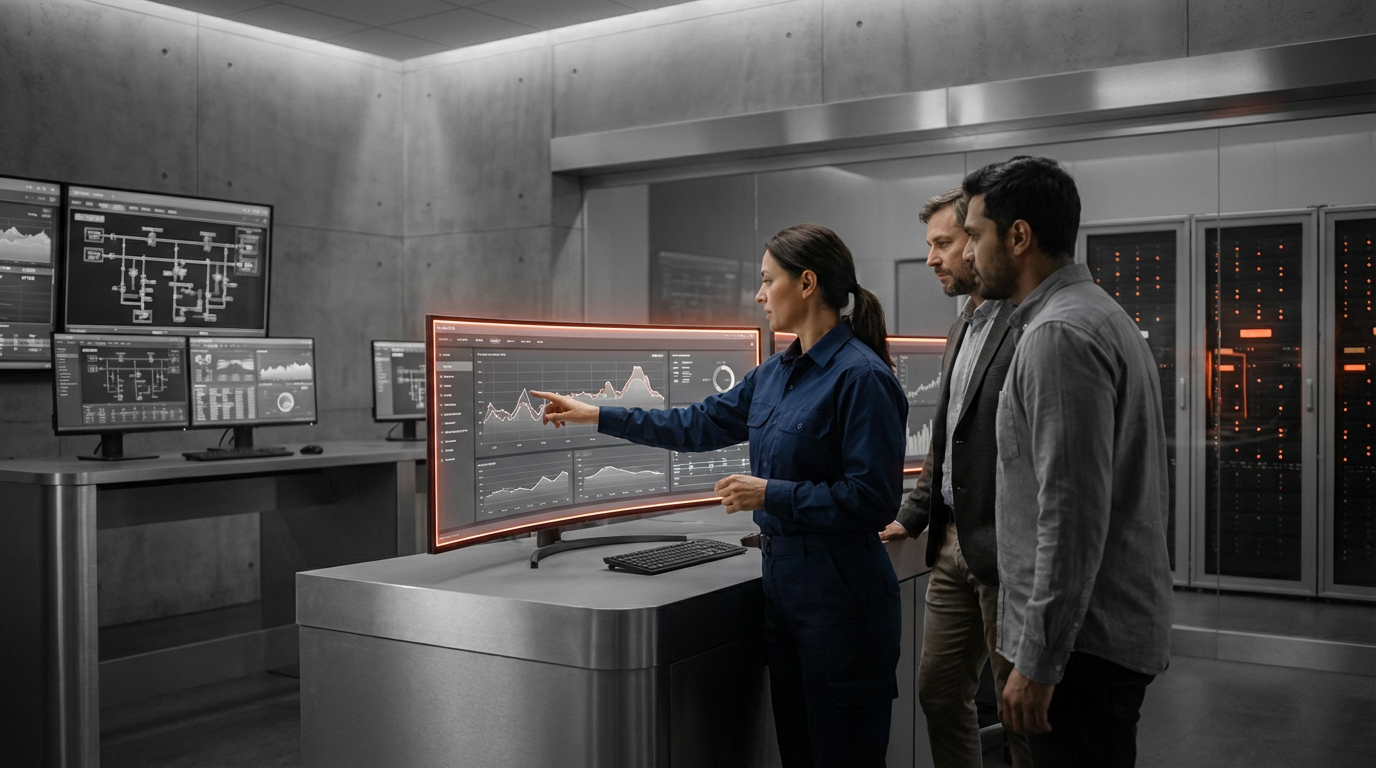
The movement of goods and people across complex transportation networks generates massive volumes of data that, when properly analyzed, can unlock significant operational efficiencies and cost savings. Logistics and transportation analytics harnesses this data through sophisticated algorithms and machine learning models to optimize every aspect of supply chain operations. At its core, this technology processes information from multiple sources—GPS tracking systems, traffic sensors, weather forecasts, delivery confirmations, vehicle telematics, and historical performance data—to create predictive models and prescriptive recommendations. These systems employ techniques such as route optimization algorithms, demand forecasting models, and network flow analysis to determine the most efficient paths, predict future transportation needs, and allocate resources dynamically. The analytical framework continuously learns from operational outcomes, refining its predictions and recommendations as new data becomes available, creating a feedback loop that drives ongoing improvement in transportation efficiency.
The explosive growth of e-commerce and on-demand delivery services has intensified pressure on logistics operations to deliver faster, cheaper, and more reliably than ever before. Traditional transportation planning methods, which relied heavily on static routes and manual scheduling, struggle to adapt to the dynamic nature of modern supply chains where customer expectations shift rapidly and delivery windows narrow. Logistics and transportation analytics addresses these challenges by enabling real-time decision-making that accounts for constantly changing variables such as traffic conditions, weather disruptions, vehicle availability, and fluctuating demand patterns. This capability is particularly critical in urban environments where last-mile delivery—the final leg of a product's journey to the customer—represents both the most expensive and most complex segment of the supply chain. By optimizing delivery routes to minimize distance traveled, consolidating shipments intelligently, and predicting maintenance needs before vehicles break down, these analytical systems help companies reduce fuel consumption, lower operational costs, and improve delivery reliability while simultaneously decreasing their environmental footprint.
Major logistics providers, food delivery platforms, and retail giants have widely adopted these analytical capabilities, with many reporting substantial improvements in delivery times and cost reductions. The technology has evolved from basic route planning tools to sophisticated platforms that integrate real-time traffic data, predict demand surges before they occur, and automatically rebalance fleet resources across service areas. Some systems now incorporate AI-powered routing that learns from millions of completed deliveries to identify patterns invisible to human planners, such as optimal times to avoid specific intersections or the most reliable parking locations in dense urban areas. As autonomous vehicles and drone delivery systems move closer to commercial viability, logistics analytics will play an even more central role in coordinating these new transportation modes alongside traditional fleets. The continued advancement of this technology, particularly in areas such as real-time optimization and predictive maintenance, positions it as an essential foundation for the future of global commerce, where the ability to move goods efficiently and sustainably will increasingly determine competitive advantage in an interconnected marketplace.
Related Organizations

Provides an advanced visibility platform for shippers and logistics service providers, connecting data across the supply chain.
UPS
United States · Company
A global logistics giant famous for ORION (On-Road Integrated Optimization and Navigation), a proprietary routing algorithm.

Provides on-demand, software-as-a-service solutions focused on logistics-intensive businesses, including routing and customs compliance.

A digital-first freight forwarder that uses a cloud platform to manage global logistics and supply chain visibility.

Real-time supply chain visibility platform that uses predictive analytics to track shipments across modes.

An integrated container logistics company working to connect and simplify its customers' supply chains.

Geotab
Canada · Company
Global leader in connected transportation and telematics.

Provides cloud-native supply chain commerce solutions, specifically Warehouse Management Systems (WMS).
A logistics platform that connects shippers with carriers, using dynamic pricing algorithms and network optimization.

Developer of CargoWise, a deeply integrated global logistics execution platform used by major freight forwarders.

Develops autonomous box trucks for middle-mile logistics, relying heavily on sensor data and route analytics.