Edge Analytics for IoT
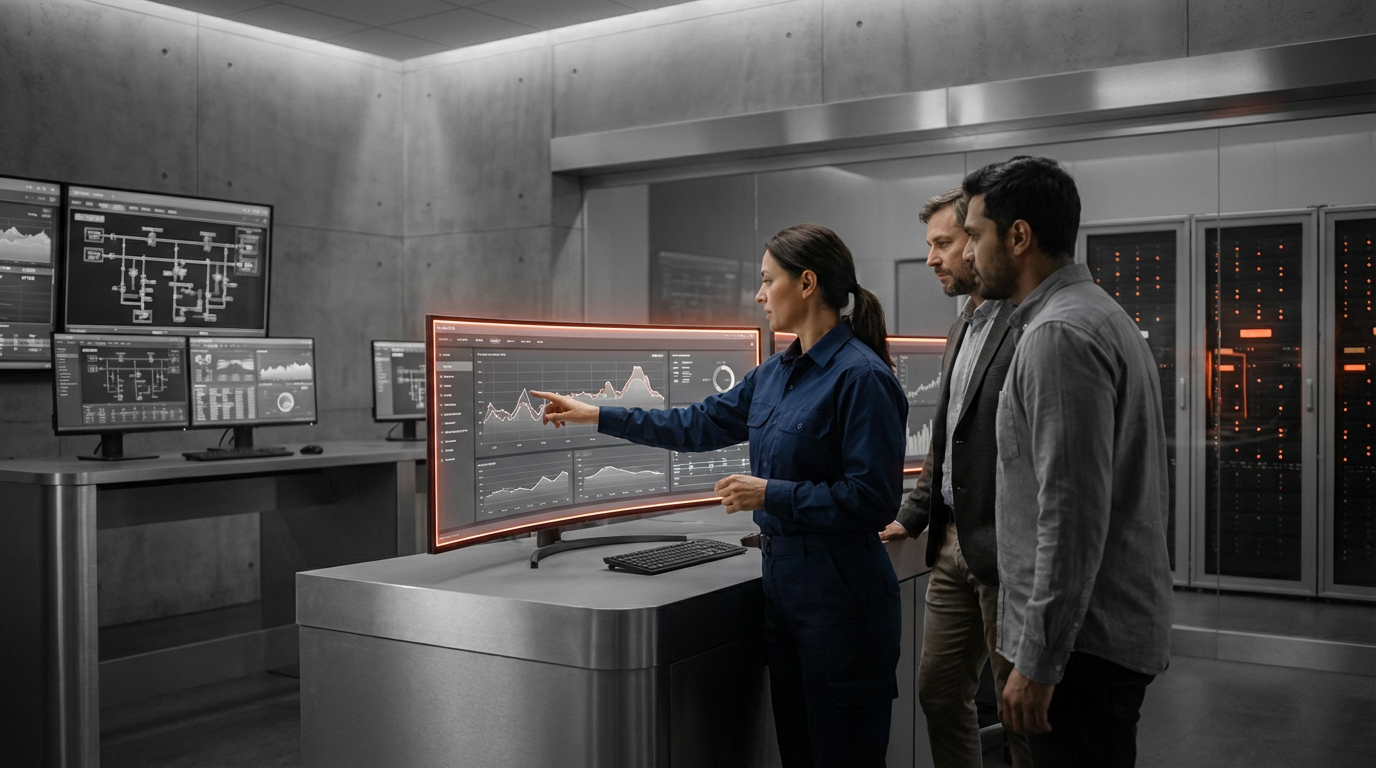
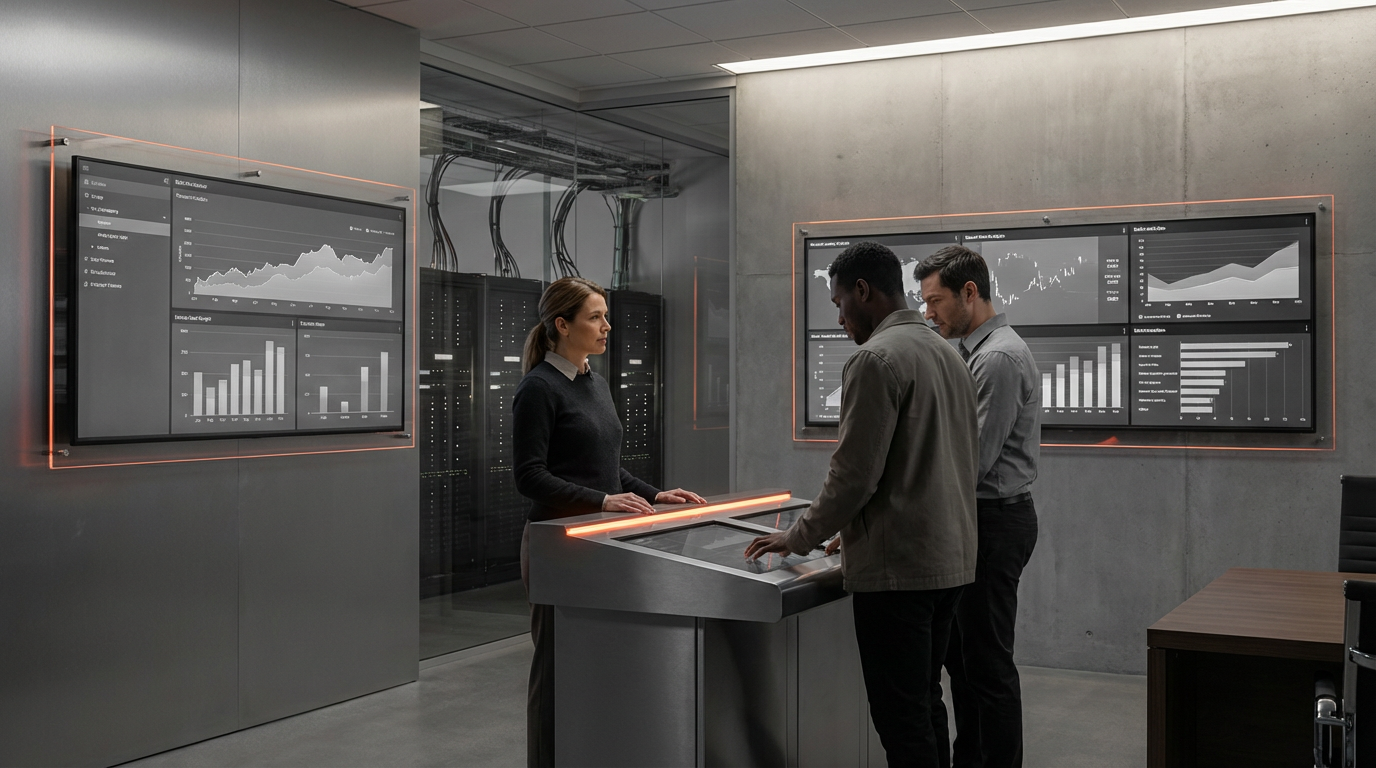
Edge analytics represents a fundamental shift in how Internet of Things (IoT) systems process and act upon data, moving computational intelligence from centralized cloud servers to the network's edge—closer to where data is generated. Unlike traditional IoT architectures that transmit raw sensor data to remote data centers for processing, edge analytics performs real-time computation, filtering, and decision-making directly on edge devices or local gateways. This approach leverages specialized processors, microcontrollers, and increasingly sophisticated edge AI chips that can execute machine learning algorithms locally. The technical architecture typically involves a hierarchy of processing layers: sensors and actuators at the device level, edge gateways that aggregate and analyze data from multiple sources, and selective communication with cloud infrastructure only when necessary for deeper analysis, model updates, or long-term storage. This distributed computing model fundamentally changes the economics and capabilities of IoT deployments by reducing the volume of data transmitted, minimizing latency in critical decision loops, and enabling autonomous operation even when network connectivity is intermittent or unavailable.
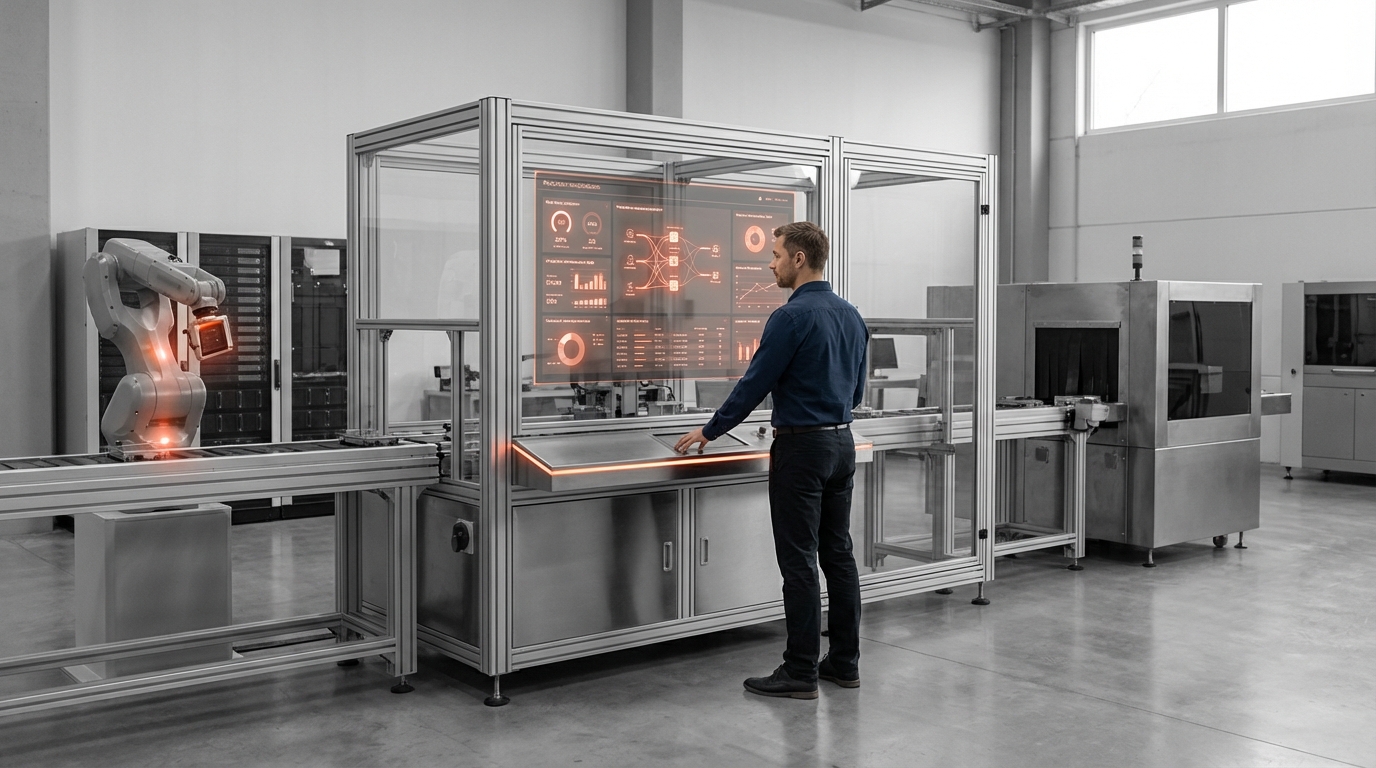
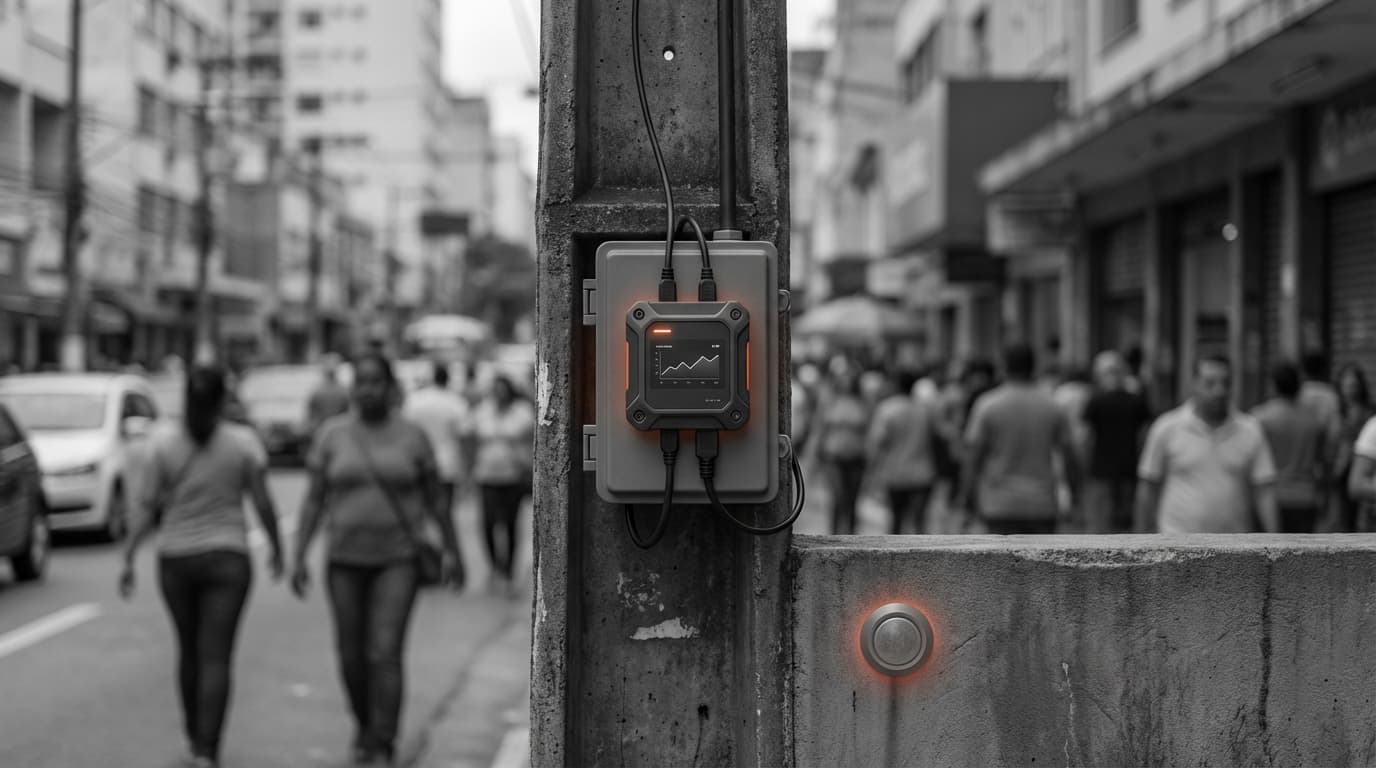
The primary challenge that edge analytics addresses is the impracticality of transmitting massive volumes of IoT sensor data to centralized cloud infrastructure for processing, particularly in applications requiring sub-second response times or operating in bandwidth-constrained environments. In precision agriculture, for instance, the volume of data generated by field sensors, drone imagery, and equipment telemetry would overwhelm network connections and incur prohibitive cloud storage costs if transmitted in its entirety. Edge analytics enables agricultural systems to process this information locally, making immediate decisions about irrigation valve adjustments, fertilizer application rates, or pest detection alerts without waiting for round-trip communication with distant servers. Similarly, industrial manufacturing environments benefit from edge analytics by enabling predictive maintenance systems that can detect equipment anomalies and trigger shutdowns within milliseconds, preventing catastrophic failures that centralized systems might miss due to communication delays. Smart city applications leverage edge analytics to manage traffic signal timing based on real-time vehicle flow, adjust street lighting based on pedestrian presence, or detect environmental hazards through distributed sensor networks—all while maintaining operation during network outages and reducing the infrastructure costs associated with continuous data transmission.
Current deployments of edge analytics span multiple industries and geographic contexts, with particularly strong adoption in sectors where real-time responsiveness and operational continuity are critical. Agricultural operations are implementing edge-enabled precision farming systems that analyze multispectral imagery, soil moisture readings, and weather data locally to optimize resource application across vast farmlands, especially in rural areas where cellular connectivity remains limited. Manufacturing facilities deploy edge analytics platforms that monitor production lines, quality control systems, and energy consumption, with industrial equipment manufacturers increasingly embedding edge processing capabilities directly into machinery. Urban environments are witnessing growing deployment of edge-enabled smart city infrastructure, from traffic management systems that adapt signal timing based on congestion patterns to environmental monitoring networks that detect air quality issues and coordinate responses. The technology has reached a stage of maturity where standardized platforms and development frameworks are available, though continued advancement in edge AI accelerators, energy-efficient processors, and integration with emerging 5G and low-power wide-area networks promises to expand capabilities further. As IoT deployments scale and the volume of connected devices continues to grow exponentially, edge analytics is becoming an essential architectural component for building responsive, resilient, and economically viable IoT systems across diverse application domains.
Related Organizations

FogHorn
United States · Company
Edge intelligence software developer acquired by Johnson Controls.

Industrial Edge Data Platform that collects, analyzes, and manages data at the edge.

Low-code platform for edge analytics and integration in industrial IoT.

Edge orchestration solution enabling the deployment of analytics apps to distributed edge nodes.

Umbrella organization under the Linux Foundation establishing open interoperability standards for edge computing.

Industrial giant offering the 'Senseye Predictive Maintenance' suite and MindSphere IoT platform.

The energy portfolio of GE (formerly GE Digital), offering Asset Performance Management (APM) software powered by AI.
PTC
United States · Company
Offers ThingWorx, a platform that connects industrial devices, people, and systems.

Global leader in industrial computing and embedded IoT systems.

MQTT messaging platform enabling reliable data movement for edge analytics.