Community Doula Platforms
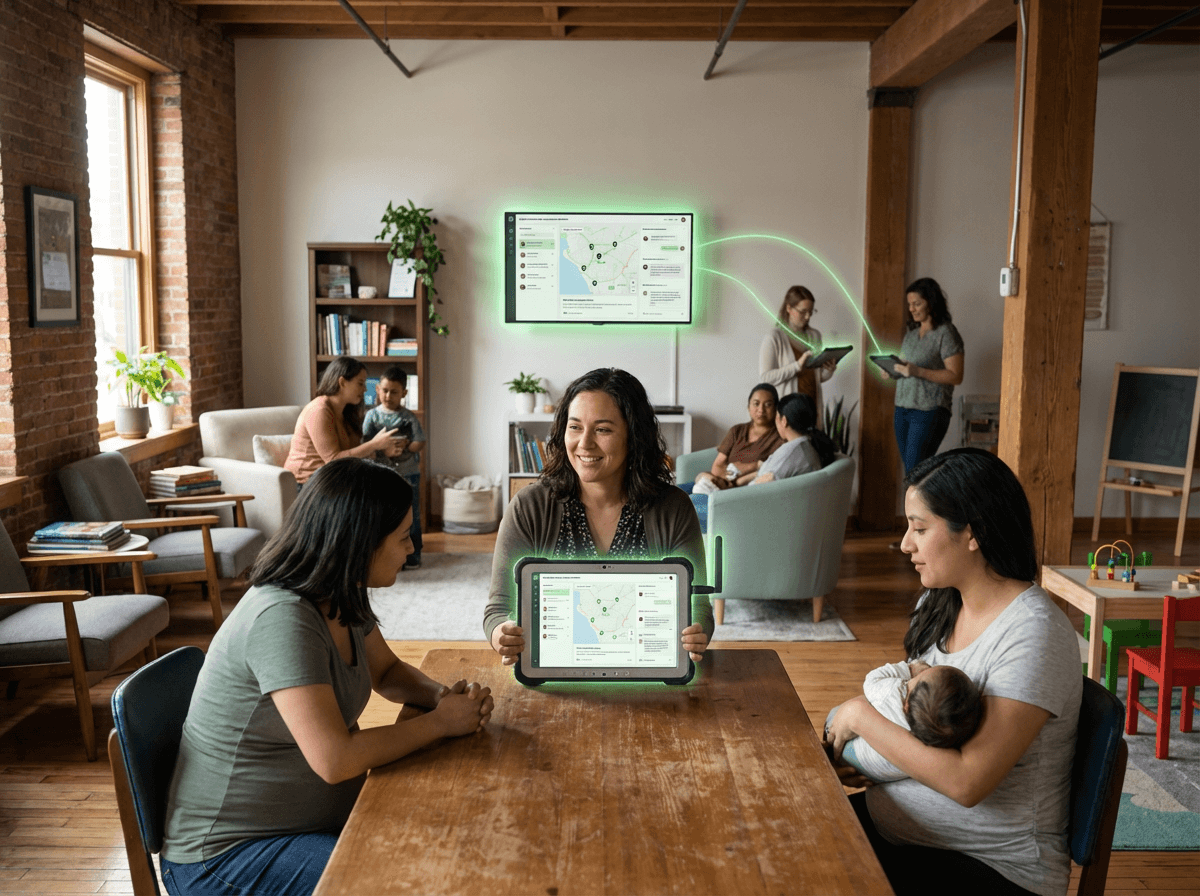
Community doula platforms represent a digital infrastructure designed to address critical gaps in perinatal care access and continuity. These systems function as coordinated networks that connect expectant parents with trained birth workers—including doulas, lactation consultants, and peer supporters—through web-based or mobile applications. The platforms typically incorporate scheduling algorithms, secure messaging systems, and care coordination tools that allow doulas to manage multiple clients while maintaining communication with clinical providers. By digitizing what has traditionally been an informal, relationship-based service, these platforms create structured pathways for non-clinical support to complement medical care. The technology often includes features such as client intake forms, appointment reminders, educational resource libraries, and documentation systems that allow doulas to record visit notes and track client progress throughout pregnancy, birth, and the postpartum period.
The perinatal care landscape faces significant challenges related to maternal health disparities, provider shortages, and fragmented care delivery. Research suggests that continuous support during pregnancy and childbirth can improve outcomes, yet access to doula services has historically been limited by cost, geographic availability, and lack of integration with healthcare systems. Community doula platforms address these barriers by creating marketplaces that increase visibility of available support workers, reducing the time and effort required for expectant parents to find appropriate matches. Some platforms incorporate payment processing and insurance billing features, making doula services more financially accessible. By providing workflow integration tools, these systems enable doulas to share relevant information with clinical teams—such as birth preferences, postpartum mood screening results, or feeding challenges—creating a more coordinated care experience. This digital coordination is particularly valuable for serving populations facing higher maternal health risks, including low-income communities and communities of color, where community-based doula programs have shown promise in improving birth experiences and reducing adverse outcomes.
Early implementations of these platforms have emerged through both nonprofit community health initiatives and commercial ventures, with some health systems beginning to pilot doula integration programs supported by digital coordination tools. Medicaid programs in several jurisdictions have started reimbursing for doula services, creating new opportunities for platform-based matching and care coordination. The platforms are being deployed in contexts ranging from urban safety-net hospitals to rural telehealth programs, where they help overcome geographic barriers to accessing trained support. As value-based care models increasingly recognize the importance of social determinants of health and whole-person support, community doula platforms align with broader healthcare trends toward team-based care and community health worker integration. The trajectory of these systems points toward more sophisticated features, including outcome tracking dashboards, cultural and language matching algorithms, and integration with electronic health records, potentially establishing doulas as a standard component of comprehensive perinatal care rather than a luxury service available only to those who can navigate informal networks and afford out-of-pocket costs.
Related Organizations

A data-driven maternal healthcare platform that connects the care team, including doulas, doctors, and patients.

Provides home-based maternity care with a team that includes community health workers and doulas.

A digital platform connecting Black women and women of color to culturally sensitive healthcare providers, including doulas.

A virtual clinic for women's and family health that integrates doula support into its care pathways.
Provides training, certification, and a digital directory to connect Black doulas with families.

Virtual maternity practice that partners with health plans to provide 24/7 care, including doula support.

A maternity lifestyle brand that operates a global doula training and matching platform.
Family benefits platform offering 'Cleo Guides' (often doulas or specialists) to support parents.

A 'Yelp-like' review platform for Black mothers to rate hospitals and physicians, often used by doulas to guide care.

Global fertility benefits provider that includes coverage and matching for doula support.
Supporting Evidence
Research this in Signals
Signals turns a topic into a sourced research record you can inspect and rerun. Your first scan is free, and this one starts with Community Doula Platforms already loaded, so edit it or scan as is.