Smart Fertility Ecosystems
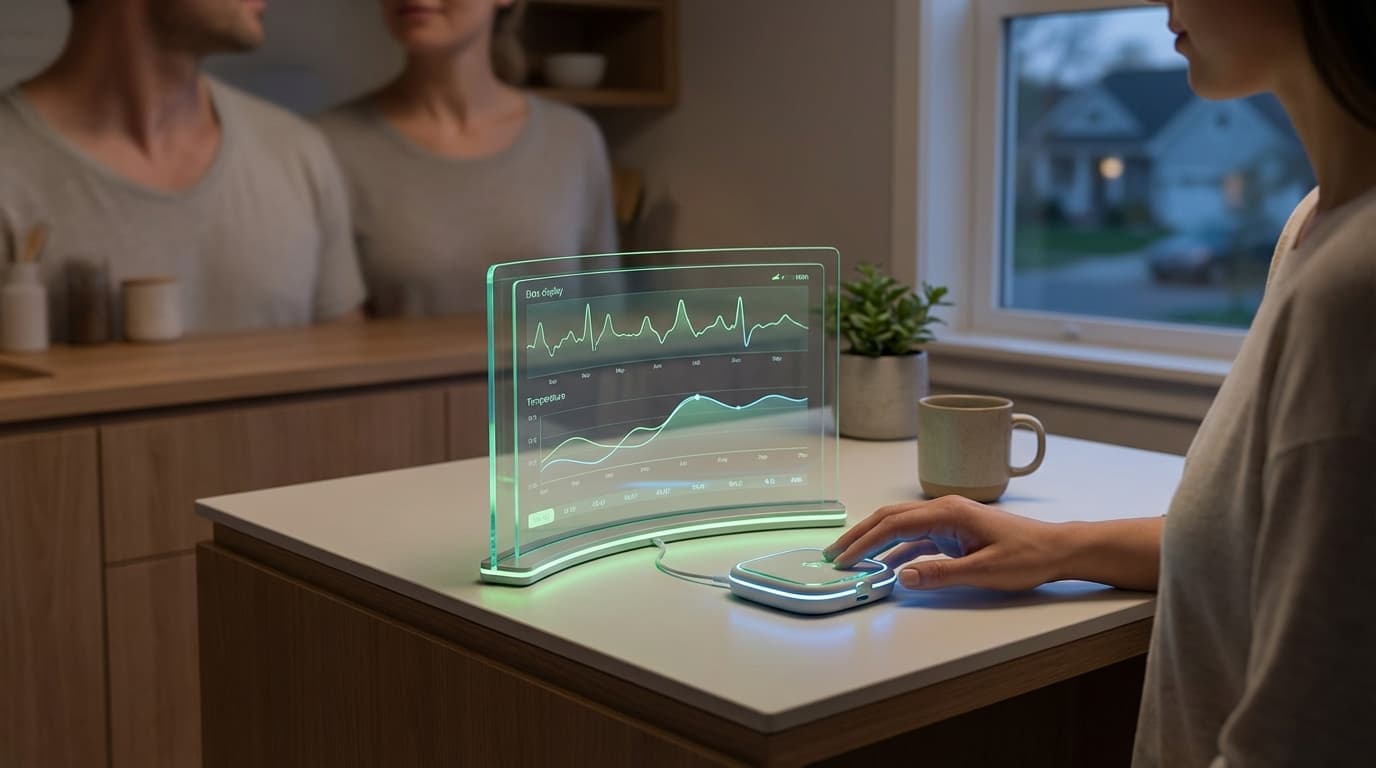
Smart Fertility Ecosystems represent a convergence of wearable sensor technology, artificial intelligence, and reproductive health science designed to provide comprehensive support for individuals and couples attempting to conceive. These integrated platforms continuously collect physiological data through various sensors—including basal body temperature monitors, hormone-tracking biosensors, and heart rate variability measurements—to build detailed profiles of reproductive cycles. Advanced machine learning algorithms analyse this multi-dimensional data stream alongside user-reported symptoms and lifestyle factors to identify patterns that indicate optimal conception windows. The systems employ predictive models that adapt to individual variations in cycle length, hormonal fluctuations, and ovulation timing, moving beyond the limitations of calendar-based methods that assume standardised 28-day cycles. Some platforms incorporate additional diagnostic capabilities, using algorithmic pattern recognition to flag potential reproductive health concerns such as irregular ovulation, luteal phase defects, or hormonal imbalances that may warrant medical consultation.
The fertility technology sector addresses a significant gap in reproductive healthcare, where traditional approaches often rely on retrospective analysis and generalised population data rather than personalised, real-time insights. For the estimated one in six couples globally experiencing fertility challenges, these ecosystems offer earlier detection of potential issues and more precise timing guidance, potentially reducing the time to conception and the emotional toll of prolonged attempts. The integration of multiple data sources creates a more complete picture than any single measurement could provide, while AI-driven analysis can identify subtle correlations that might escape human observation. These platforms also democratise access to fertility insights that were previously available only through expensive clinical monitoring, creating new opportunities for proactive reproductive health management. The business model extends beyond conception support to encompass broader reproductive wellness, with some platforms offering post-conception transition into pregnancy tracking and connecting users with fertility specialists when patterns suggest medical intervention may be beneficial.
Early deployments of smart fertility ecosystems have demonstrated promising results in both consumer and clinical contexts. Several platforms have reported user bases in the millions, with research suggesting that data-driven approaches may reduce time to conception compared to traditional methods, though long-term clinical validation continues. The technology has found particular adoption among individuals with irregular cycles, those managing conditions like polycystic ovary syndrome, and couples pursuing fertility treatments who benefit from precise cycle monitoring. Industry analysts note growing integration between these platforms and assisted reproductive technology clinics, where the detailed cycle data can inform treatment protocols and timing. The trajectory of this technology points toward increasingly sophisticated biosensing capabilities, including non-invasive hormone monitoring through saliva or sweat analysis, and deeper integration with electronic health records to provide clinicians with comprehensive reproductive health histories. As artificial intelligence models become more refined through larger datasets, these ecosystems are expected to offer increasingly accurate predictions while expanding their scope to encompass preconception health optimisation, identifying lifestyle factors that may impact fertility, and providing personalised recommendations for improving reproductive outcomes.
Related Organizations

Developed a sensor bracelet specifically for fertility tracking, measuring pulse rate, breathing rate, and temperature.

The first FDA-cleared birth control app that uses temperature data (from thermometers or wearables like Oura) to predict fertility windows.

Develops a palm-sized hormone analyzer (Quanovate) that measures LH, E3G, PdG, and FSH concentrations in urine.

Maker of the Oura Ring, a smart ring that tracks sleep, readiness, and stress.

A biotech startup offering a saliva-based hormone tracking system (minilab) to monitor progesterone levels.

Offers FDA-cleared PdG tests to confirm ovulation, integrated with an app for cycle mapping.

A wearable sensor worn on the upper arm to continuously track basal body temperature during sleep.

A network of fertility clinics that integrates virtual care, testing, and physical clinics into a unified tech-enabled platform.
Supporting Evidence
Research this in Signals
Signals turns a topic into a sourced research record you can inspect and rerun. Your first scan is free, and this one starts with Smart Fertility Ecosystems already loaded, so edit it or scan as is.