Embryo Lab-on-Chip Systems
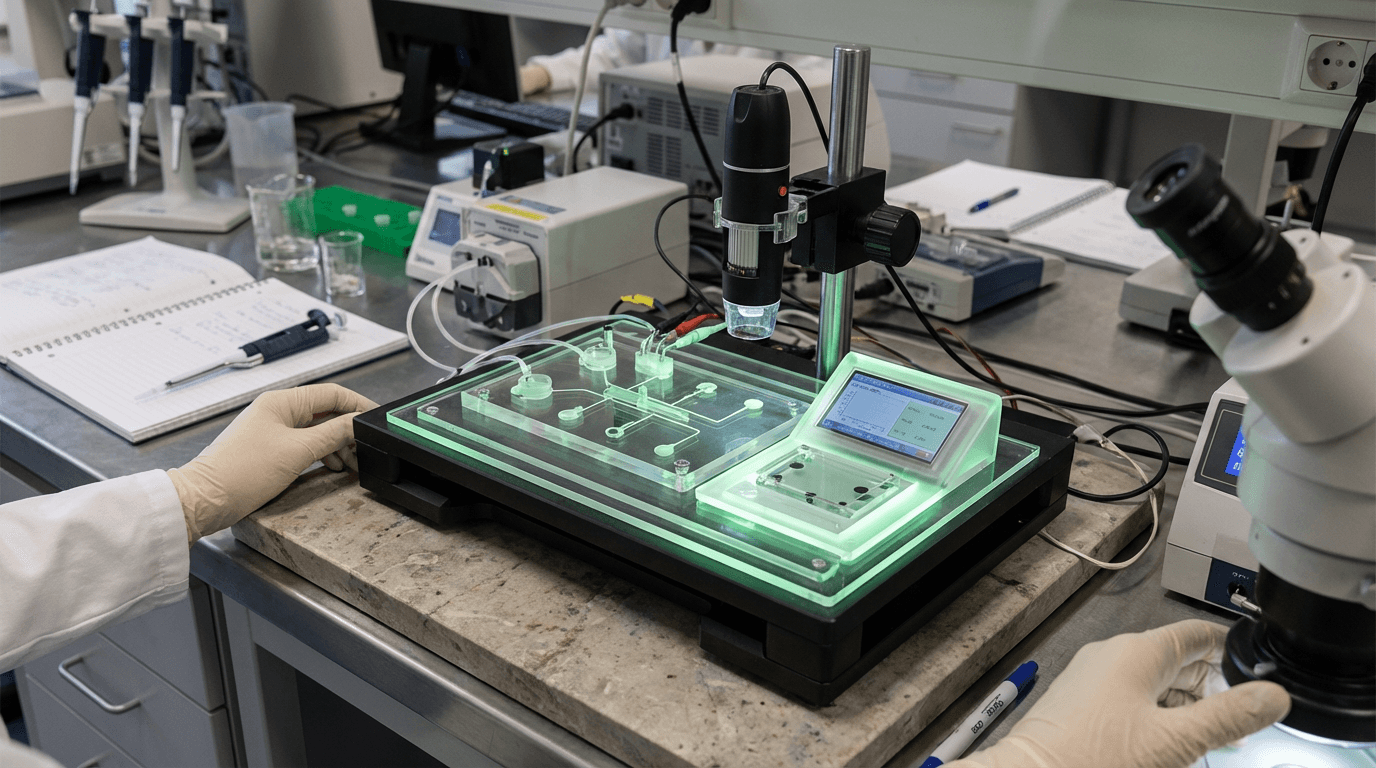
Embryo lab-on-chip systems represent a convergence of microfluidics, bioengineering, and reproductive medicine, designed to miniaturize and automate critical steps in assisted reproductive technology. These platforms integrate multiple laboratory functions—sperm selection, oocyte handling, fertilization, and early embryo culture—onto a single microfluidic chip, typically fabricated from biocompatible materials such as polydimethylsiloxane (PDMS) or glass. The core technical principle relies on precisely engineered microchannels, chambers, and valves that manipulate tiny volumes of fluids, often in the nanoliter to microliter range. By controlling flow rates, temperature gradients, and chemical environments at the microscale, these systems can replicate and enhance the conditions of traditional embryology laboratories while dramatically reducing the physical space and manual intervention required. Advanced designs incorporate sensors for real-time monitoring of pH, oxygen levels, and metabolic markers, enabling continuous assessment of embryo viability without the need for disruptive handling or removal from optimal culture conditions.
The fertility industry faces significant challenges related to variability in outcomes, labor-intensive procedures, and the subjective nature of embryo assessment. Traditional in vitro fertilization (IVF) protocols require skilled embryologists to perform numerous manual manipulations, each introducing potential inconsistencies and exposure to suboptimal environmental conditions. Embryo lab-on-chip systems address these limitations by standardizing processes and minimizing human handling, which can reduce stress on delicate gametes and embryos. Research suggests that the controlled microenvironments these platforms provide may better mimic the natural conditions of the fallopian tube and uterus, potentially improving fertilization rates and embryo quality. Furthermore, these systems enable high-throughput screening and selection of the most viable sperm cells through techniques such as chemotaxis-based sorting or rheotaxis, where sperm navigate through microchannels that favor motile, morphologically normal cells. This automation not only increases efficiency but also has the potential to reduce costs associated with IVF procedures, making fertility treatments more accessible to a broader population.
Early deployments of embryo lab-on-chip technology have primarily occurred in research settings and specialized fertility clinics exploring next-generation IVF techniques. Pilot studies have demonstrated promising results in sperm selection quality and embryo development rates, though widespread clinical adoption remains in developmental stages as regulatory frameworks and long-term outcome data continue to evolve. The technology aligns with broader trends in personalized medicine and point-of-care diagnostics, where miniaturization and automation enable more precise, patient-specific treatments. Looking forward, industry analysts note that integration with artificial intelligence for automated embryo assessment and selection could further enhance success rates while reducing the burden on embryologists. As the global fertility services market expands and couples increasingly seek advanced reproductive options, embryo lab-on-chip systems represent a significant step toward more standardized, efficient, and potentially more successful assisted reproduction, though their ultimate impact will depend on continued validation through clinical trials and regulatory approval processes.
Related Organizations


Produces microfluidic sperm separation devices that mimic the natural barriers of the cervical mucus.

Develops the Felix system, an automated device for sperm separation using electrophoresis and microfluidic membranes.

A non-profit engineering innovation company that develops acoustic microfluidic separation systems for CAR-T manufacturing.

The Lukin Group at Harvard is a pioneer in controlling NV centers for quantum information and sensing.

A biopharmaceutical group that acquired Rebiotix and launched Rebyota, a fecal microbiota-based treatment.

Supporting Evidence
Research this in Signals
Signals turns a topic into a sourced research record you can inspect and rerun. Your first scan is free, and this one starts with Embryo Lab-on-Chip Systems already loaded, so edit it or scan as is.