Fetoscopic Surgical Robotics
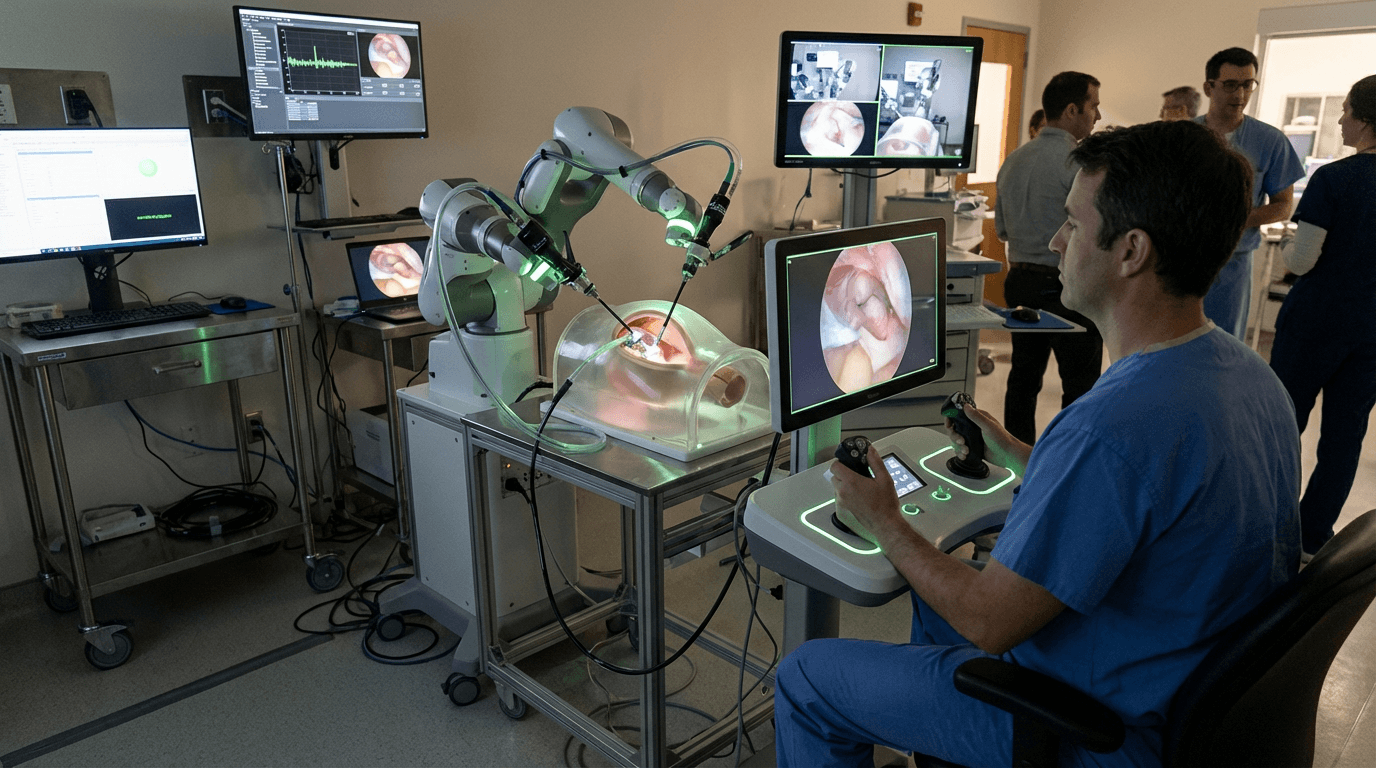
Fetoscopic surgical robotics represents a specialized branch of minimally invasive surgery that addresses one of medicine's most delicate challenges: performing corrective procedures on a developing fetus while still in the womb. Traditional fetoscopic surgery requires surgeons to manipulate rigid instruments through small incisions in the uterus, working within an extremely confined space while viewing the surgical field through an endoscope. The inherent limitations of human hand tremor, restricted range of motion, and the physiological constraints of operating through maternal tissue layers have historically made these procedures exceptionally demanding. Robotic systems designed for fetoscopic intervention incorporate miniaturized articulated instruments—often just 3-5 millimeters in diameter—equipped with multiple degrees of freedom that far exceed what rigid handheld tools can achieve. These systems integrate real-time imaging technologies, including ultrasound and fiber-optic visualization, with motion-scaling capabilities that translate the surgeon's larger hand movements into precise micro-movements at the instrument tip, effectively filtering out tremor and enabling manipulation at scales appropriate for fetal anatomy.
The perinatal care industry faces mounting pressure to address congenital conditions earlier in development, when intervention can prevent irreversible damage or improve outcomes that would otherwise require multiple postnatal surgeries. Conditions such as twin-to-twin transfusion syndrome, spina bifida, congenital diaphragmatic hernia, and certain cardiac malformations have traditionally presented limited treatment options before birth. Fetoscopic robotics directly addresses the technical barriers that have constrained surgical options during pregnancy: the risk of premature rupture of membranes, maternal tissue trauma, inadequate visualization, and the extreme precision required when operating on structures measured in millimeters. By enabling surgeons to work with enhanced dexterity and control, these systems reduce procedure times, minimize collateral tissue damage, and expand the range of correctable conditions. This technological advancement also creates new care pathways that can reduce the burden of lifelong disability, decrease the need for multiple corrective surgeries after birth, and potentially lower long-term healthcare costs associated with managing severe congenital conditions.
While fetoscopic robotic systems remain primarily in research and specialized clinical trial phases at major academic medical centers, early deployments have demonstrated promising results in specific applications. Pilot programs focusing on laser photocoagulation for twin-to-twin transfusion syndrome and prenatal repair of neural tube defects have shown that robotic assistance can improve surgical precision while maintaining safety profiles comparable to or better than conventional fetoscopic techniques. The technology builds upon broader trends in surgical robotics while addressing the unique constraints of the intrauterine environment, including the need for instruments that can operate effectively in amniotic fluid and withstand the mechanical challenges of working through flexible maternal tissue. As imaging technologies continue to advance and instrument miniaturization progresses, the scope of treatable conditions is expected to expand, potentially transforming fetoscopic intervention from a highly specialized procedure performed at a handful of centers into a more widely available option within comprehensive perinatal care programs, fundamentally altering the timeline and approach to treating congenital abnormalities.
Research this in Signals
Signals turns a topic into a sourced research record you can inspect and rerun. Your first scan is free, and this one starts with Fetoscopic Surgical Robotics already loaded, so edit it or scan as is.