Zero-energy Building
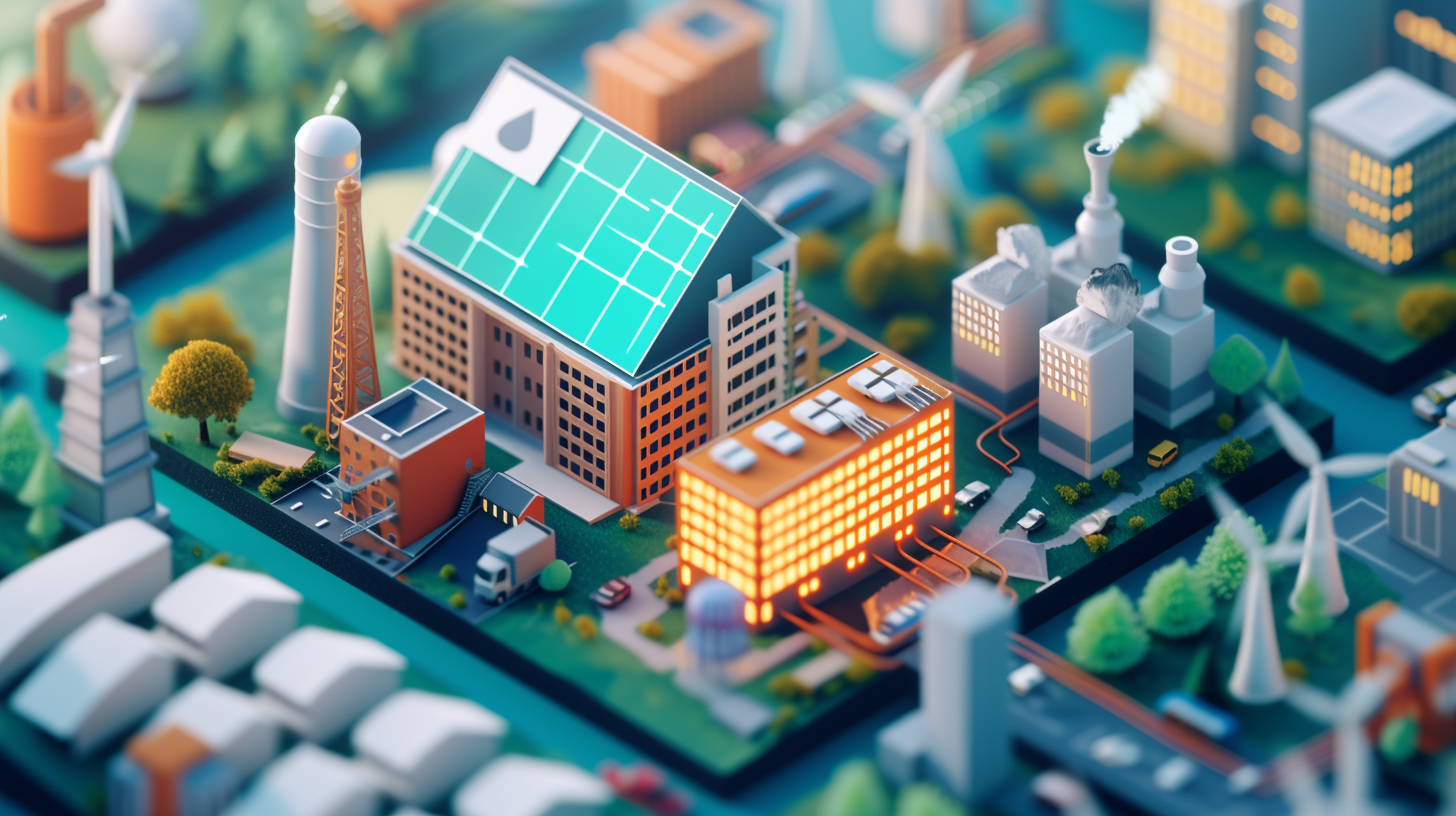
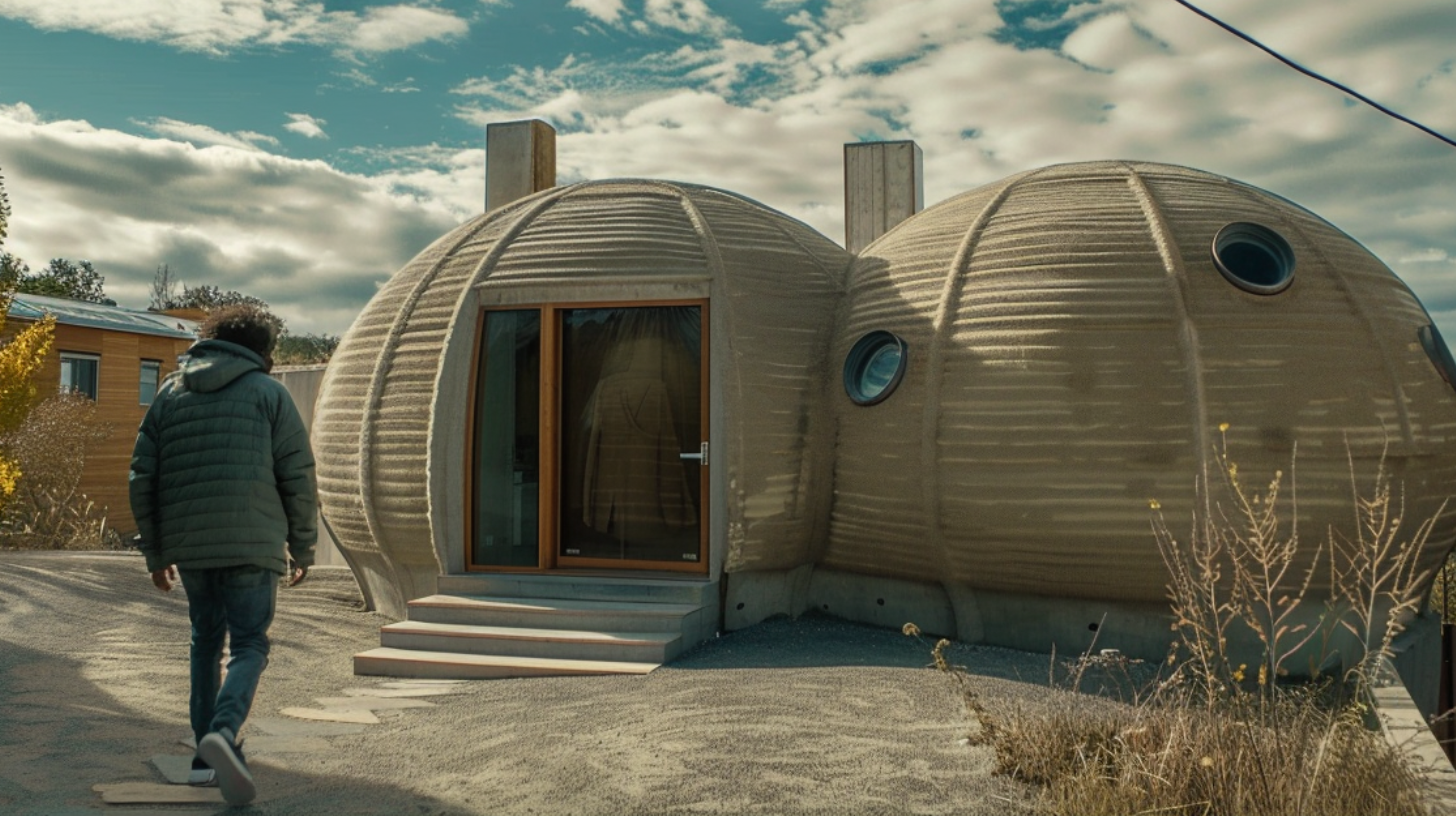
As urban populations continue to grow, cities face the escalating challenge of balancing development with sustainability. Traditional buildings are significant contributors to energy consumption and greenhouse gas emissions, creating an urgent need for innovative solutions. The zero-energy building (ZEB) addresses these pressing issues by significantly reducing a building's environmental footprint. By design, ZEBs are highly energy-efficient structures that generate as much energy as they consume, leading to a net-zero energy balance.
A zero-energy building achieves its remarkable efficiency through a combination of advanced construction techniques and sustainable energy practices. These buildings are meticulously designed with high-performance insulation, triple-glazed windows, and airtight construction to minimise energy loss. Moreover, they incorporate state-of-the-art technologies such as energy-efficient HVAC systems, LED lighting, and smart home systems that optimise energy use. The core of a ZEB's energy strategy is the integration of renewable energy sources, predominantly solar panels, which harness natural energy to meet the building's power needs.
As urban areas expand, the demand for energy will inevitably increase, exacerbating environmental degradation and resource depletion. ZEBs offer a sustainable alternative that can alleviate these pressures. By adopting ZEB standards, cities can significantly cut their carbon emissions, reduce reliance on non-renewable energy sources, and improve urban air quality. Furthermore, ZEBs often include green spaces and sustainable landscaping, contributing to the overall well-being of urban residents by enhancing biodiversity and providing recreational areas.
In addition to environmental benefits, zero-energy buildings present substantial economic advantages. Over time, the energy savings achieved by ZEBs can offset the initial investment costs, making them economically viable in the long term. Furthermore, as energy prices continue to rise, buildings that produce their own energy provide a hedge against these fluctuations, ensuring predictable and stable operating costs. This economic resilience is particularly beneficial for commercial buildings, which can reinvest energy savings into other areas of their operations.