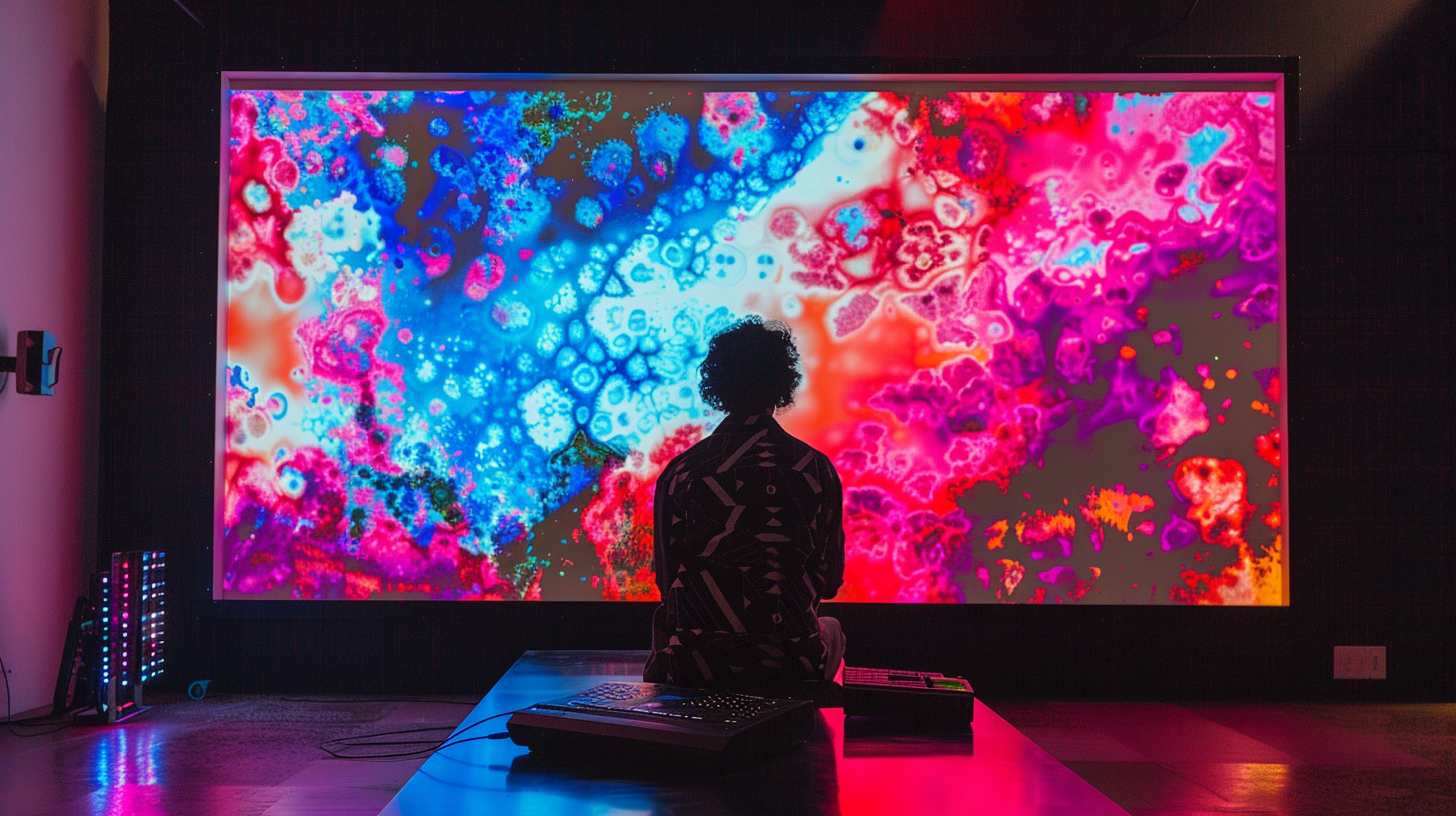
Generative AI
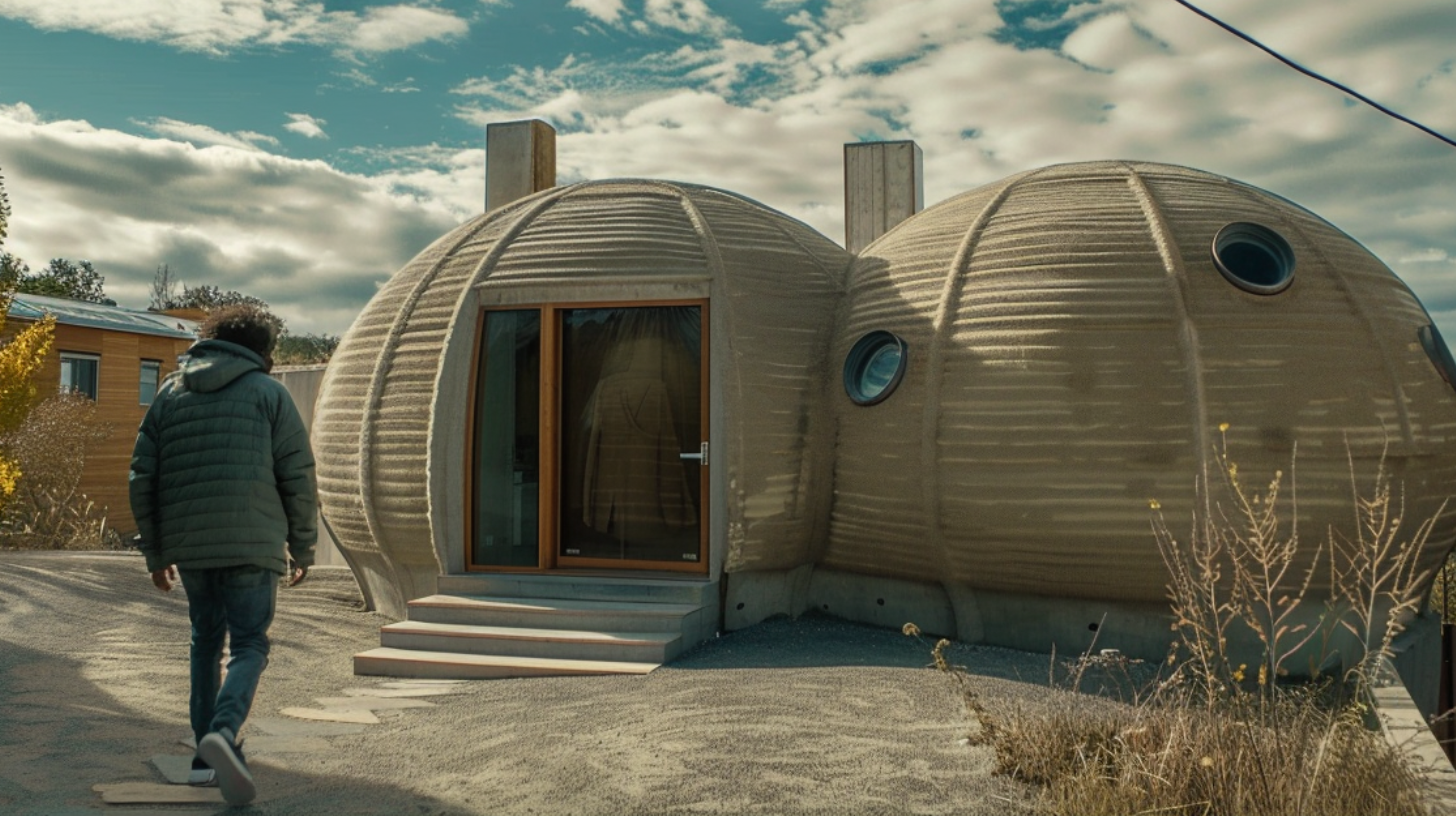
A powerful subset of artificial intelligence, Generative AI is poised to revolutionise urban development and planning, addressing several pressing issues faced by modern cities. One of the primary challenges it tackles is the need for more efficient and sustainable urban design. Cities are growing rapidly, leading to increased pressure on infrastructure, housing, and resources. Traditional planning methods can be slow and inflexible, often failing to keep pace with the dynamic needs of urban environments. GenAI offers a solution by enabling the creation of complex, optimised designs that can adapt to changing conditions and demands.
Generative AI uses algorithms to generate models, designs, and solutions based on previously trained data and specific parameters and goals set by urban planners and architects. Unlike traditional AI, which focuses on analysing data to identify patterns, generative AI creates new data and possibilities, providing innovative solutions to complex problems. For instance, in urban planning, GenAI can design optimised city layouts that consider factors such as traffic flow, energy efficiency, green space allocation, and population density. This technology can simulate various scenarios, allowing planners to see the potential outcomes of different design choices and make more informed decisions.
As urban areas continue to expand, the need for sustainable and resilient infrastructure becomes increasingly critical. Generative AI can help cities become more adaptable and resilient by creating designs that are not only efficient but also capable of evolving with the needs of the population. For example, generative AI can be used to design buildings that maximise natural light and ventilation, reducing energy consumption and improving the overall quality of life for residents. Additionally, it can assist in developing transportation networks that minimise congestion and pollution, contributing to a healthier urban environment.
Furthermore, generative AI fosters greater collaboration between different stakeholders in the urban planning process. By providing a platform where planners, architects, and engineers can input their requirements and constraints, generative AI facilitates the creation of holistic designs considering multiple perspectives and disciplines. This collaborative approach ensures that the resulting urban environments are well-rounded and cater to the community's diverse needs.