Rain Park
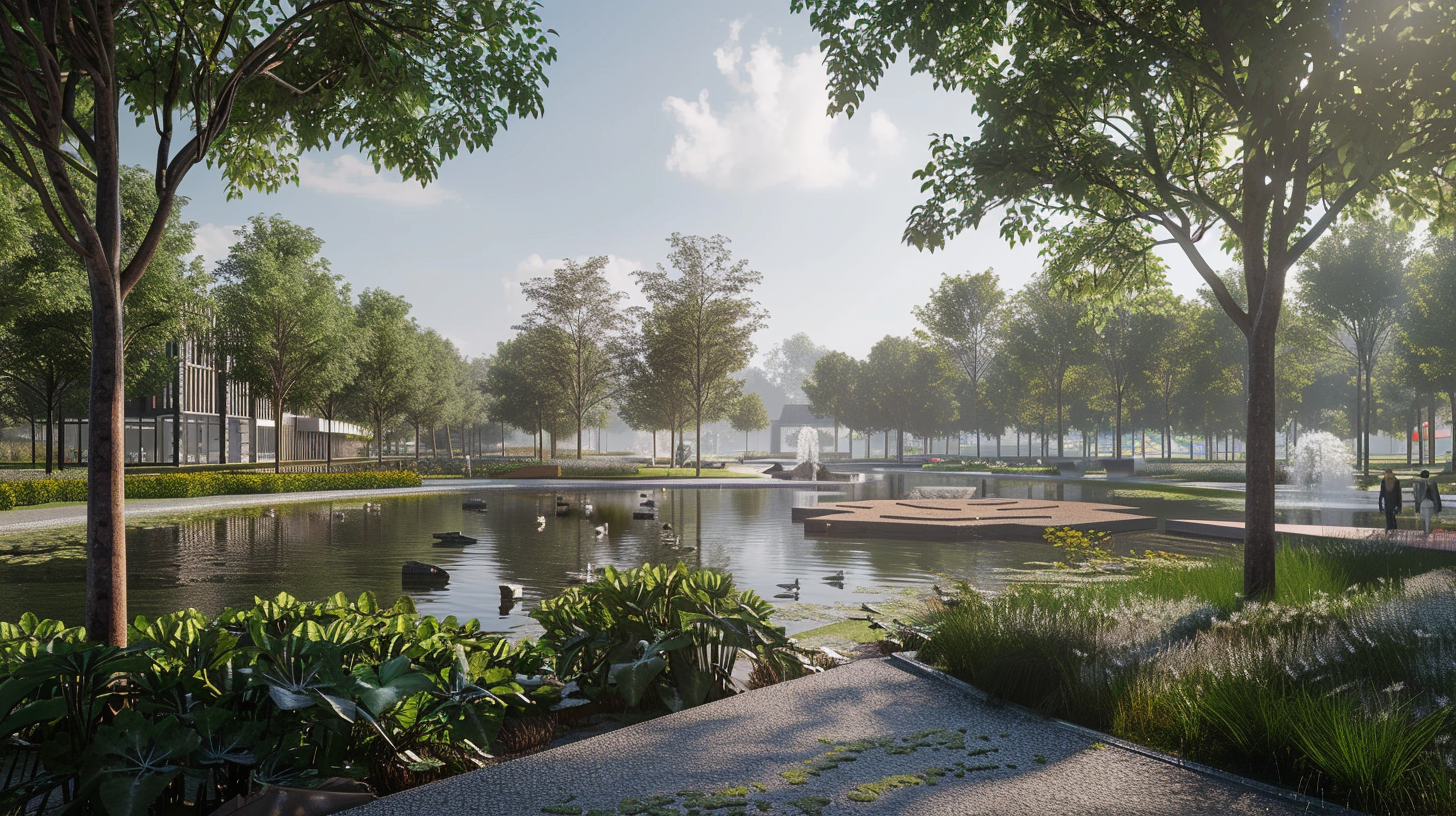
Urban areas are increasingly grappling with the challenges posed by stormwater runoff. Heavy rainfall often overwhelms traditional drainage systems, leading to flooding, water pollution, and significant damage to infrastructure. This is where the concept of a "Rain Park" comes into play—a multifunctional green space designed to address these pressing urban issues.
A Rain Park, also known as a rain garden or stormwater park, is a landscaped area specifically engineered to capture, manage, and utilise stormwater runoff. These parks are strategically located in urban settings to intercept rainwater, allowing it to percolate into the ground rather than rushing into storm drains. The core of a Rain Park comprises permeable soil layers and native vegetation, which work together to filter pollutants, reduce runoff speed, and promote groundwater recharge.
The functioning of a Rain Park is elegantly simple yet highly effective. When it rains, water flows into these parks from surrounding impervious surfaces like roads and rooftops. The water is then absorbed by the soil and taken up by plants, which helps to filter out contaminants such as oil, heavy metals, and debris. Any excess water gradually infiltrates deeper into the ground, replenishing local aquifers and reducing the burden on municipal drainage systems.
As cities continue to expand and impermeable surfaces increase, the risks associated with stormwater runoff become more pronounced. Rain Parks offer a sustainable and aesthetically pleasing solution to these issues. By incorporating these green spaces into urban planning, cities can mitigate flooding, enhance water quality, and create recreational areas that improve the quality of life for residents.
Moreover, Rain Parks play a crucial role in the broader context of climate resilience. They help cities adapt to the increasing frequency and intensity of rainfall events brought about by climate change. By reducing the urban heat island effect and supporting biodiversity, these parks also contribute to a healthier urban ecosystem. In essence, Rain Parks are a vital component of forward-thinking urban design, providing both environmental and social benefits.