Wooden Skyscraper
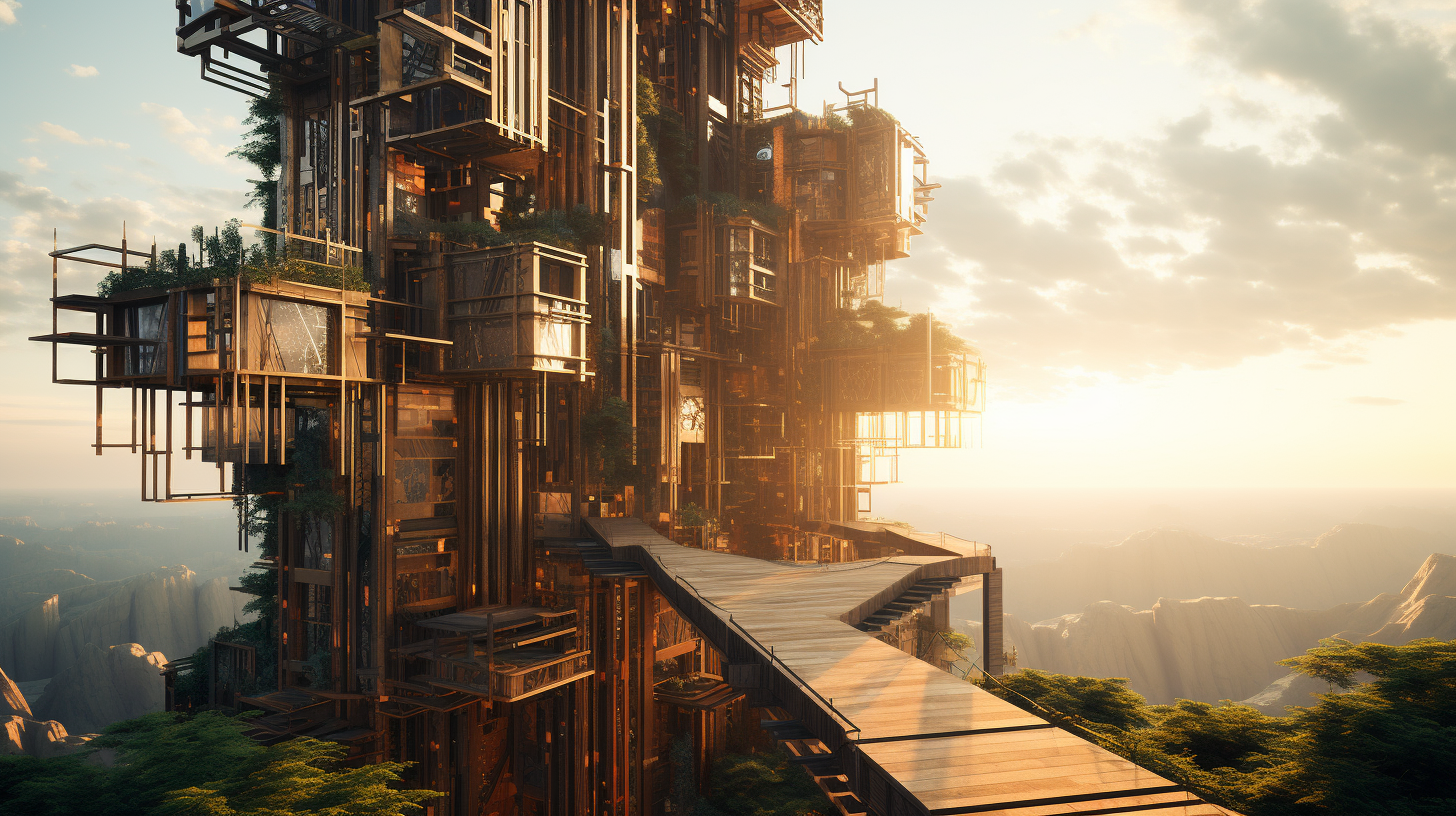
As urban populations continue to rise, cities face the pressing challenge of sustainable and environmentally friendly development. One innovative solution emerging in this context is the wooden skyscraper. Traditional construction materials like steel and concrete are notorious for their high carbon footprint, contributing significantly to global greenhouse gas emissions. Wooden skyscrapers, however, offer a promising alternative by utilising cross-laminated timber (CLT), which not only reduces carbon emissions but also sequesters carbon dioxide, aiding in the fight against climate change.
A wooden skyscraper, also known as a timber high-rise, is a tall building constructed primarily using engineered wood products such as CLT. These buildings leverage the strength and flexibility of timber, which has been refined and enhanced through modern engineering techniques. Cross-laminated timber involves glueing layers of wood at perpendicular angles, resulting in a material that is incredibly strong and stable. This construction method allows wooden skyscrapers to meet the rigorous safety standards required for high-rise buildings, including fire resistance and earthquake resilience.
Compared with the construction of a concrete building, the process requires a longer planning time and uses Building Information Modeling. This helps builders decide the exact size of the building elements. These elements are then prefabricated in specialised mass timber factories, reducing waste, the number of workers, and construction time. The construction process can be modular and adaptable to variable weather conditions. Furthermore, wooden skyscrapers have the potential to integrate advanced building technologies such as smart systems and energy-efficient designs, making them highly adaptable to future urban needs. In some instances, wooden skyscrapers use a small amount of concrete in the building process: in the foundations, stairways, elevator shafts, or/and supporting beams.
As urban areas strive to reduce their carbon footprints and embrace sustainable development, timber high-rises present a viable path forward. These structures not only address the environmental concerns associated with traditional construction but also offer economic and aesthetic benefits. The use of timber, a renewable resource, promotes sustainable forestry practices and creates new opportunities within the construction industry. Additionally, the natural warmth and beauty of wood enhance the living and working environments, contributing to the well-being of city dwellers.