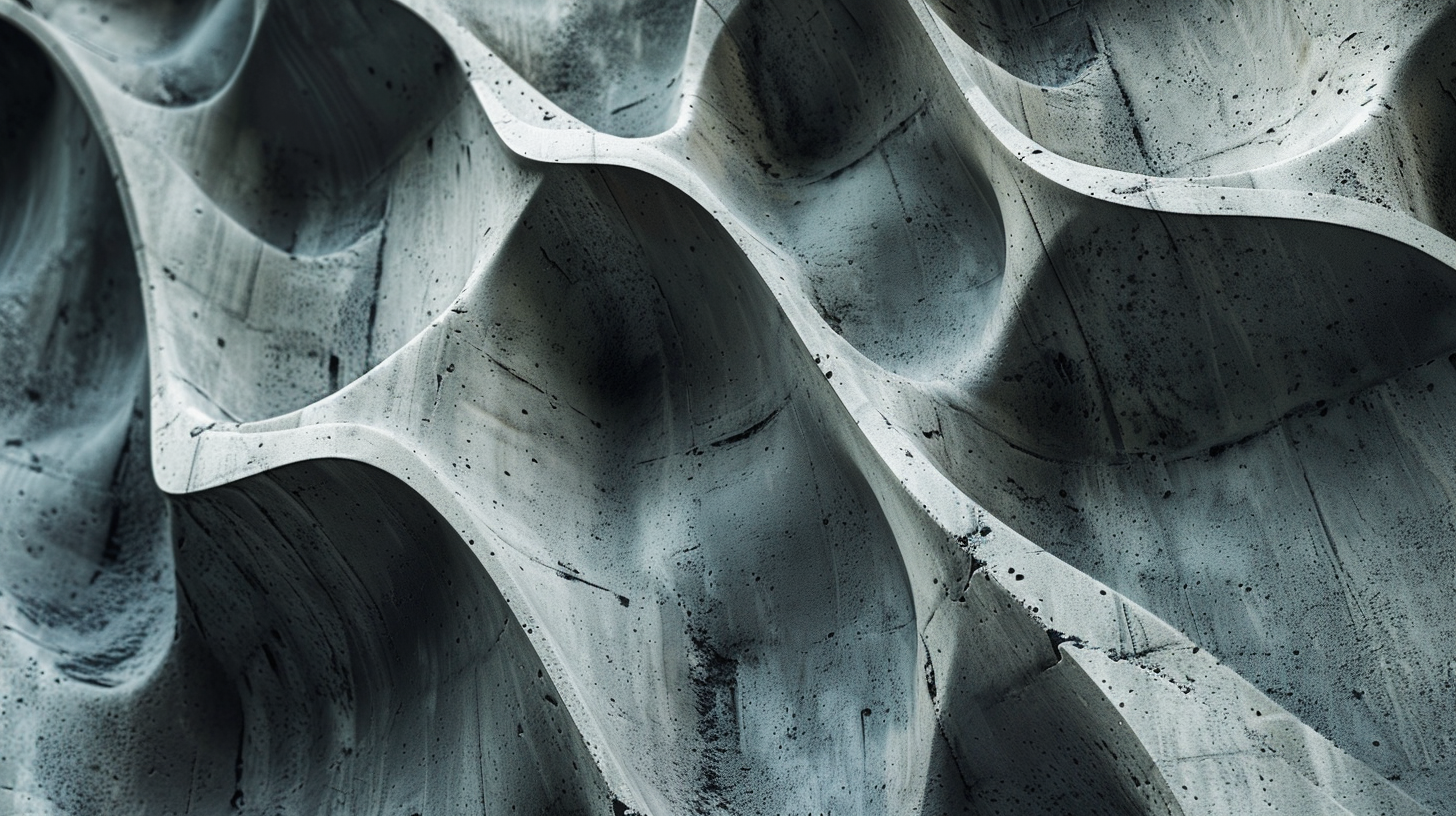
Carbon-Cement Supercapacitor

This technology addresses a critical problem in renewable energy storage: ensuring a stable and efficient energy supply despite the intermittent nature of sources like solar and wind power. Carbon-cement supercapacitors are an ingenious blend of cement, water, and carbon black. When combined, these materials create a supercapacitor with a high internal surface area, allowing for significant energy storage capacity. The process involves the water forming a network of branching openings within the cement as it cures, with carbon black migrating into these spaces to form conductive structures. Once soaked in an electrolyte, these structures enable the material to function as a supercapacitor, storing and discharging energy efficiently.
The implications for urban infrastructure are profound. Integrating carbon-cement supercapacitors into the foundations of buildings or roadways can transform these structures into massive energy storage units. For instance, a concrete foundation of a house could store a full day's worth of energy, supporting the household's energy needs independently. Additionally, roads embedded with this technology could potentially recharge electric vehicles as they drive, promoting greener transportation solutions.
The scalability and cost-effectiveness of carbon-cement supercapacitors make them particularly appealing. Using common and inexpensive materials like cement and carbon black, which have been employed for millennia, ensures that the production costs remain low while the energy storage capacity is substantial. Moreover, these supercapacitors offer high-rate charge and discharge capabilities, essential for managing the dynamic demands of modern urban environments.