Machine Vision Recycling System
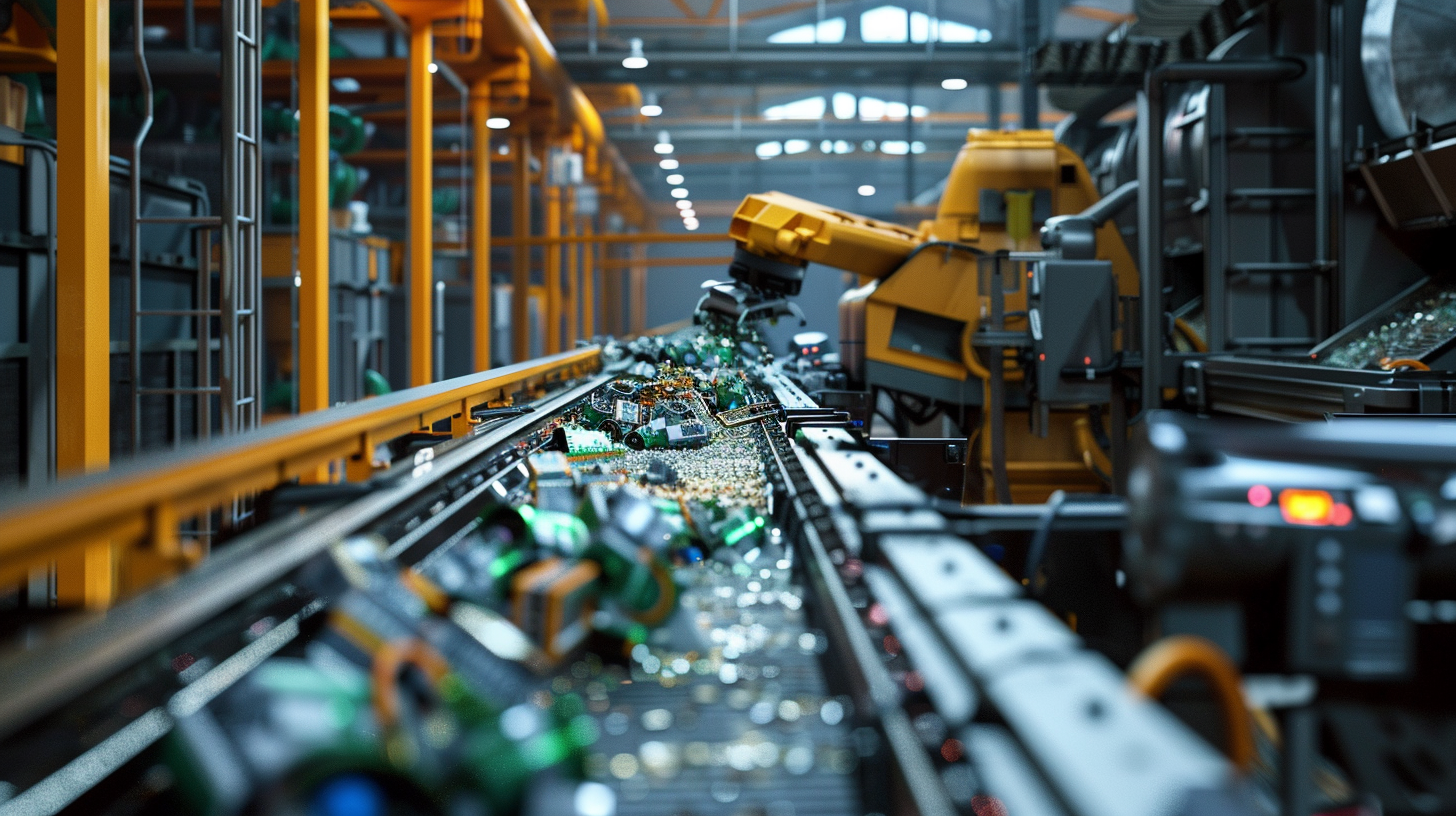
Traditional recycling methods often suffer from inefficiencies, contamination, and high operational costs. The introduction of Machine Vision Recycling Systems (MVRS) offers a transformative solution to these problems, heralding a new era in urban waste management.
A machine vision recycling system utilises computer vision to identify and sort recyclable materials. This system operates through high-resolution cameras and sophisticated algorithms that can distinguish between different types of waste with remarkable accuracy. As waste moves along a conveyor belt, the machine vision system scans and categorises each item, directing it into the appropriate recycling stream. This process significantly reduces contamination and increases the purity of recyclable materials, enhancing the overall efficiency of recycling operations.
By automating the sorting process, MVRS reduces the reliance on manual labour, which is often prone to errors, accidents and inefficiencies. It also enables cities to handle larger volumes of waste without proportionally increasing costs or resource use. Moreover, the precision of machine vision ensures that more materials are correctly recycled, thereby reducing the environmental impact of waste and promoting sustainable urban living.
Another critical aspect of machine vision recycling systems is their adaptability. These systems can be programmed to recognise a wide variety of materials, from plastics and metals to paper and glass, making them versatile and highly effective. Additionally, continuous improvements in AI and machine learning mean that these systems can evolve and become more efficient over time, further enhancing their contribution to urban sustainability.