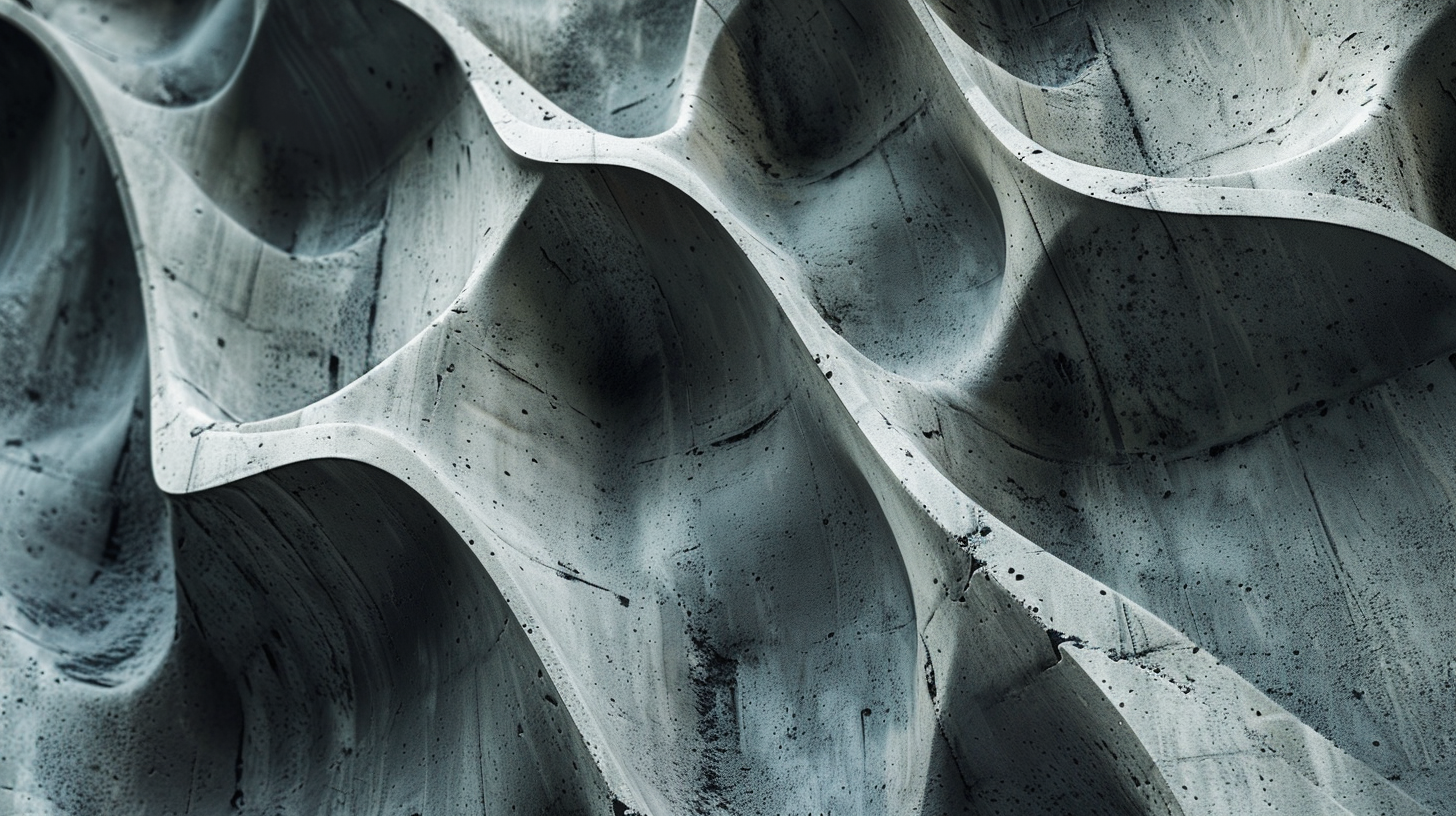
Self-healing Material

Self-healing materials represent a class of substances that are engineered to automatically repair damage without human intervention, effectively addressing the persistent problem of infrastructure deterioration. This self-repair capability is crucial in urban environments where the maintenance of public infrastructure such as roads, bridges, buildings and housing often incurs substantial financial and logistical burdens.
The essence of self-healing materials lies in their ability to initiate a repair process when they sustain damage. This can be achieved through various mechanisms, depending on the material type. For instance, some self-healing concretes contain microcapsules filled with a healing agent, which is released when cracks form, thus triggering a chemical repair process that fills the cracks. Other materials may incorporate vascular systems that mimic biological processes to deliver healing agents to the site of damage. This autonomous repair system not only extends the lifespan of structures but also significantly reduces maintenance costs and enhances safety.
As cities continue to grow, the strain on infrastructure increases, making sustainable and resilient construction methods essential. By integrating self-healing materials into urban infrastructure, cities can become more adaptive and resilient to the physical stresses of modern urban life. This is particularly relevant in the face of climate change, where increased incidents of extreme weather can cause frequent damage to traditional materials.
Furthermore, the adoption of self-repairing materials aligns with the broader goals of sustainable urban development. By reducing the need for frequent repairs and resource-intensive maintenance operations, these materials contribute to lower carbon emissions and less environmental disruption. This technology also supports the vision of smart cities, where infrastructure efficiency and sustainability are critical.